The 1934 AAA National Championship season was contested during the depths of the Great Depression and reflected the era’s challenging economic conditions, with a schedule made up largely of dirt ovals and fairground tracks, anchored by the Indianapolis 500. The championship consisted of a limited number of major events spread across the Midwest and East, emphasizing durability and consistency over outright speed. Bill Cummings emerged as the AAA National Champion, using steady finishes and strong performances throughout the season to secure the title rather than relying on frequent victories.
The season’s centerpiece, the 1934 Indianapolis 500, was held on May 30 and proved to be a grueling contest marked by high attrition. Bill Cummings, driving a Miller-powered car, won the race after mechanical failures eliminated many leading contenders. His Indianapolis victory was a crucial component of his championship campaign and underscored the importance of reliability in an era when equipment failures were common. The race itself exemplified prewar championship racing, with long green-flag runs, minimal pit strategy, and drivers often managing their own cars with limited crew support.
Beyond Indianapolis, AAA championship races were typically shorter events held on dirt ovals, where car control and mechanical sympathy were essential. The 1934 season highlighted the transition away from the high-cost board tracks of the 1920s toward more economical venues, helping the championship survive financially during hard times. Overall, the 1934 AAA Championship season stands as an example of American open-wheel racing’s resilience, with Bill Cummings’ title symbolizing consistency, endurance, and adaptability in one of the sport’s most challenging periods.
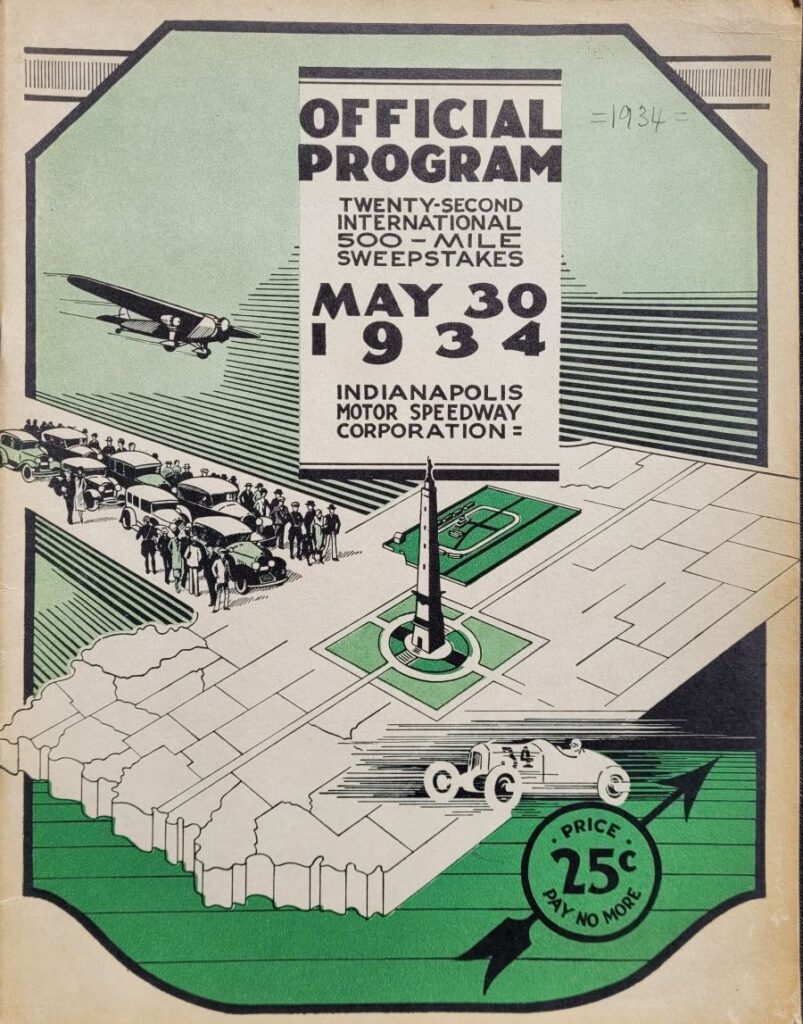
May 30, 1934
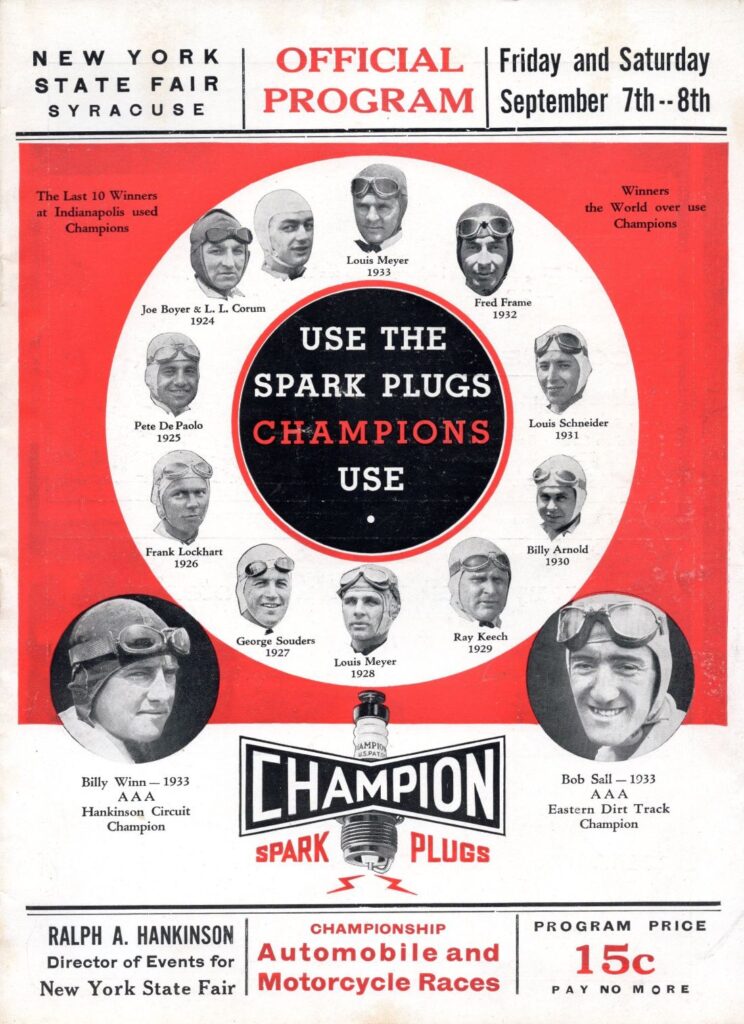
September 9, 1934