The 1930s were a decade of resilience and transition in American automobile racing, shaped by the challenges of the Great Depression and shifting public tastes. While economic hardship reduced the number of large-scale events, racing adapted through regional tracks, fairgrounds, and dirt ovals that kept the sport accessible and competitive. Drivers relied on skill and mechanical ingenuity as teams operated with limited resources, reinforcing racing’s grassroots foundation.
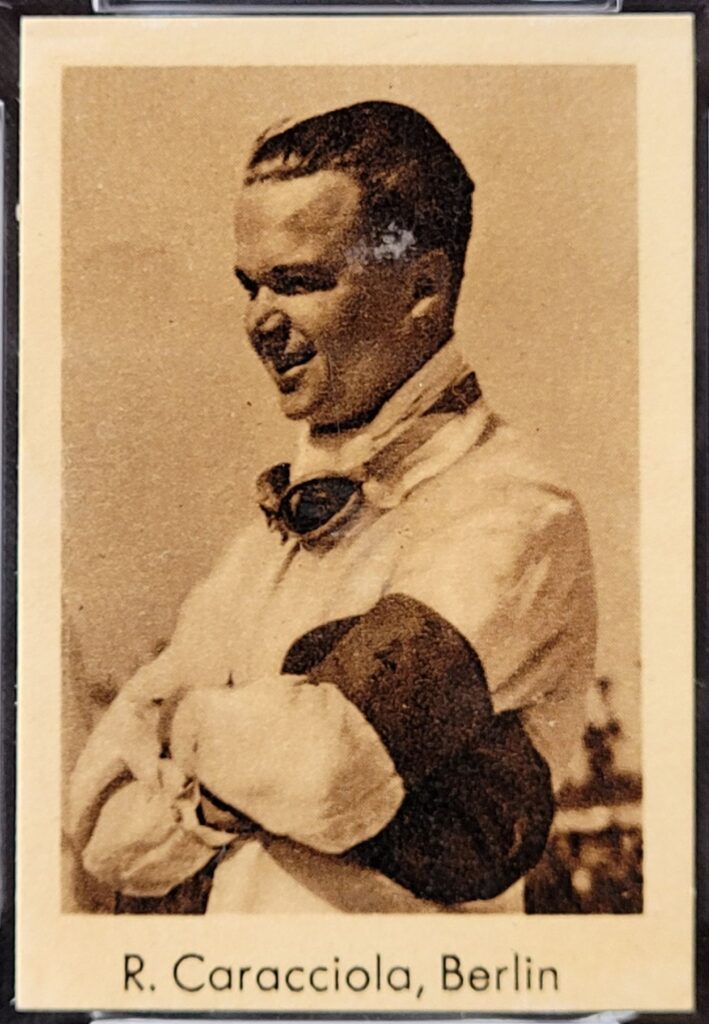
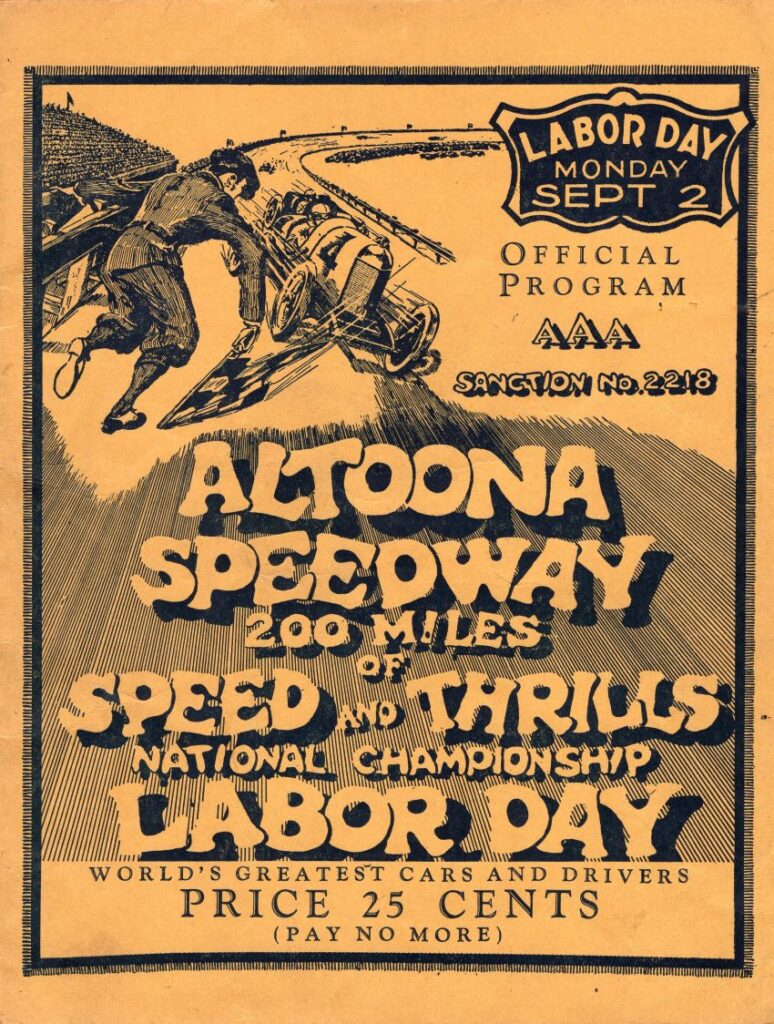
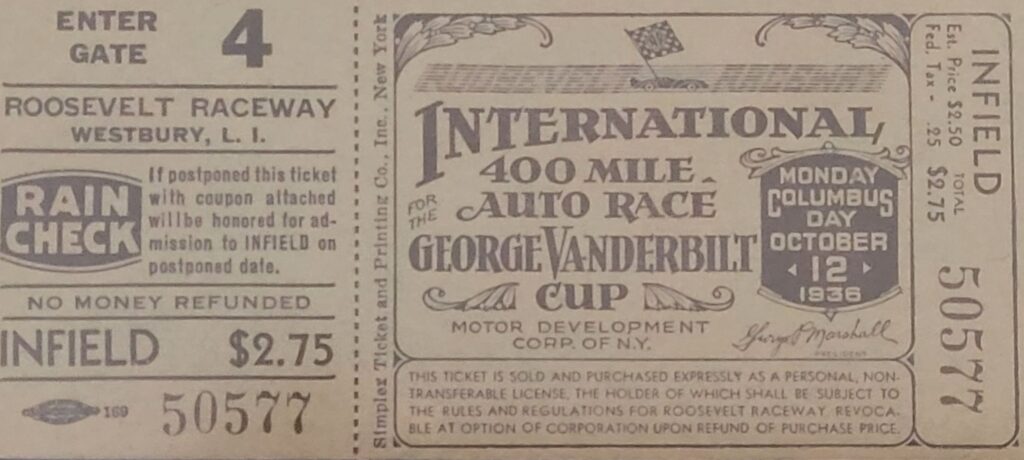
At the same time, the decade produced enduring traditions and legendary figures, particularly in open-wheel and stock-based competition. Programs, cards, and racing ephemera from the 1930s reflect a sport that endured through adversity, preserving its popularity and setting the stage for the postwar resurgence that would follow.