The 1959 USAC National Championship Car season marked an important transition in American open-wheel racing, as the series continued to move away from its dirt-track roots toward faster paved ovals and superspeedways. The championship consisted of 14 points-paying races, contested between May and November, and featured a mix of traditional dirt miles, paved one-mile ovals, and high-speed tracks. The season opened with the Indianapolis 500 on May 30 and concluded at the California State Fairgrounds in Sacramento, reflecting USAC’s still-diverse but evolving schedule.
The season’s defining performance came from Rodger Ward, who won the 1959 USAC National Championship driving a Watson-Offenhauser. Ward also captured victory in the Indianapolis 500, leading 100 laps and demonstrating the superiority of the roadster-style Watson chassis on paved ovals. His consistency across the season, particularly on pavement, allowed him to secure the title over strong competition that included A.J. Foyt, Johnny Thomson, and Jimmy Bryan. The year further highlighted the growing competitive gap between pavement specialists and drivers who excelled primarily on dirt.
Overall, the 1959 season underscored a major shift in championship car racing philosophy. While dirt-track races remained part of the calendar, paved tracks increasingly determined the championship outcome, foreshadowing the direction USAC would take in the 1960s. Rodger Ward’s title and Indianapolis victory symbolized this change, making the 1959 USAC National Championship season a pivotal moment in the modernization of American open-wheel racing.
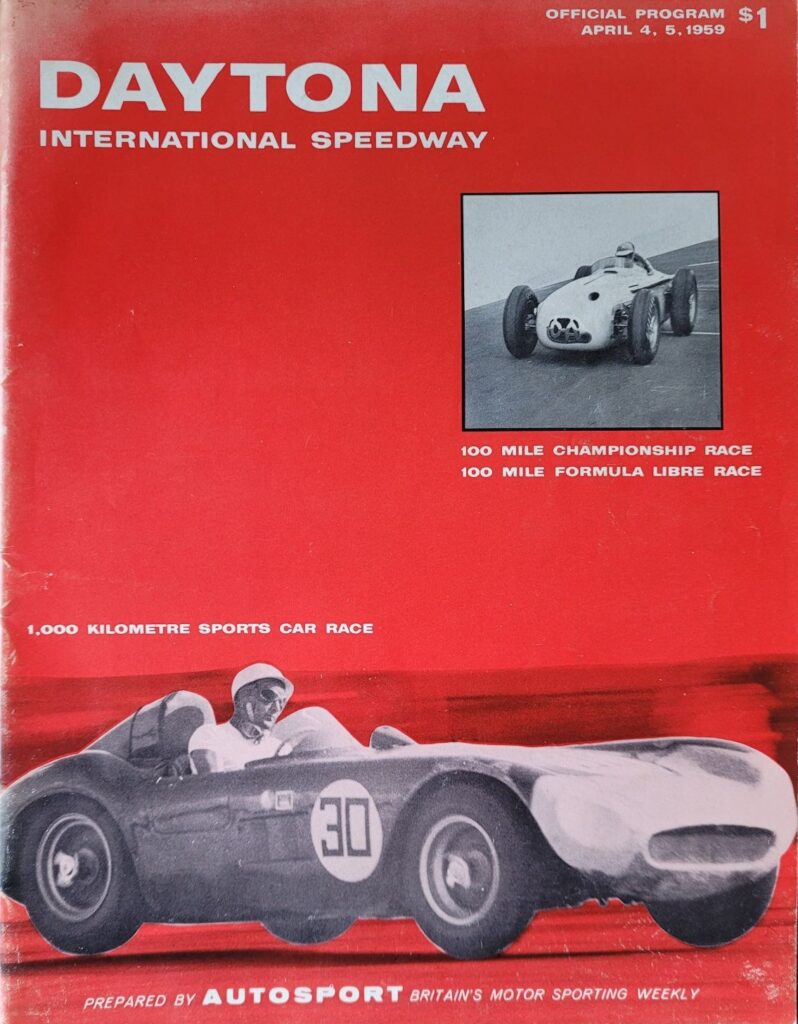
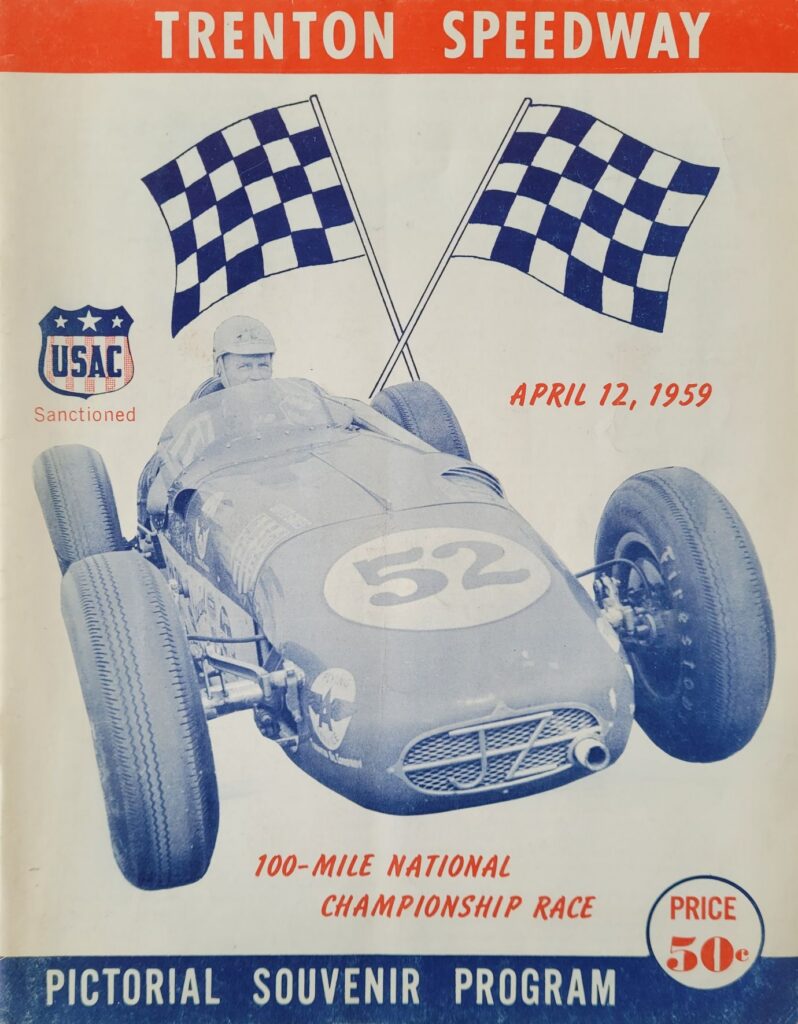
April 19, 1959
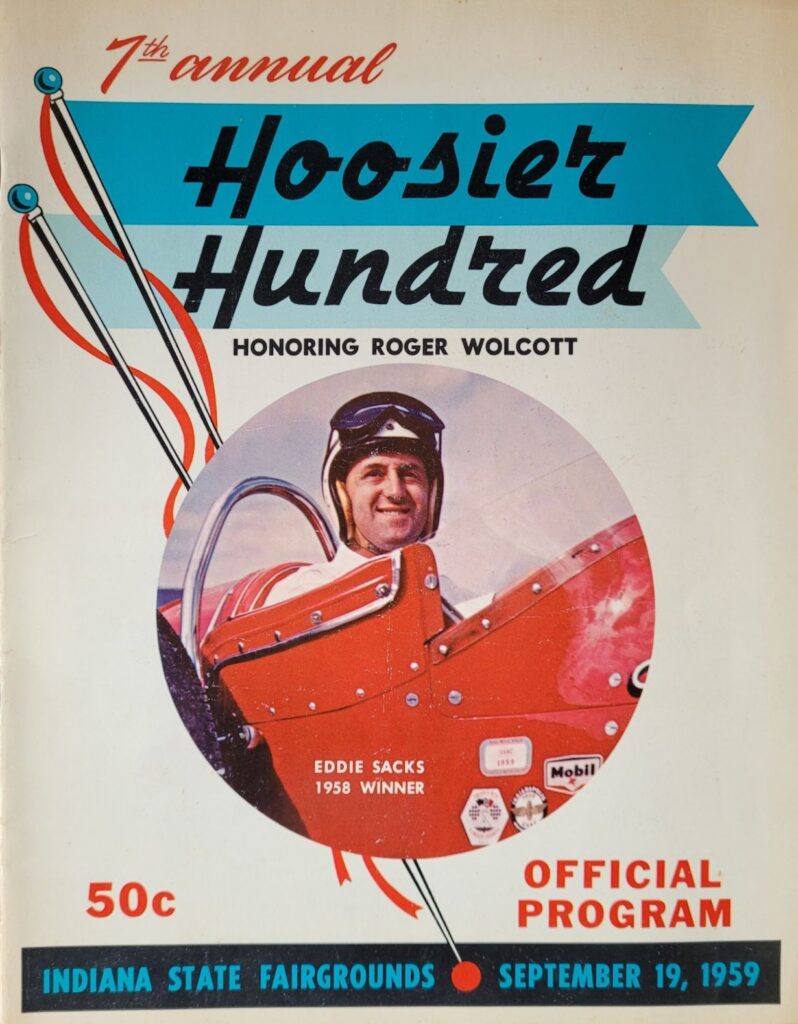
September 5, 1959