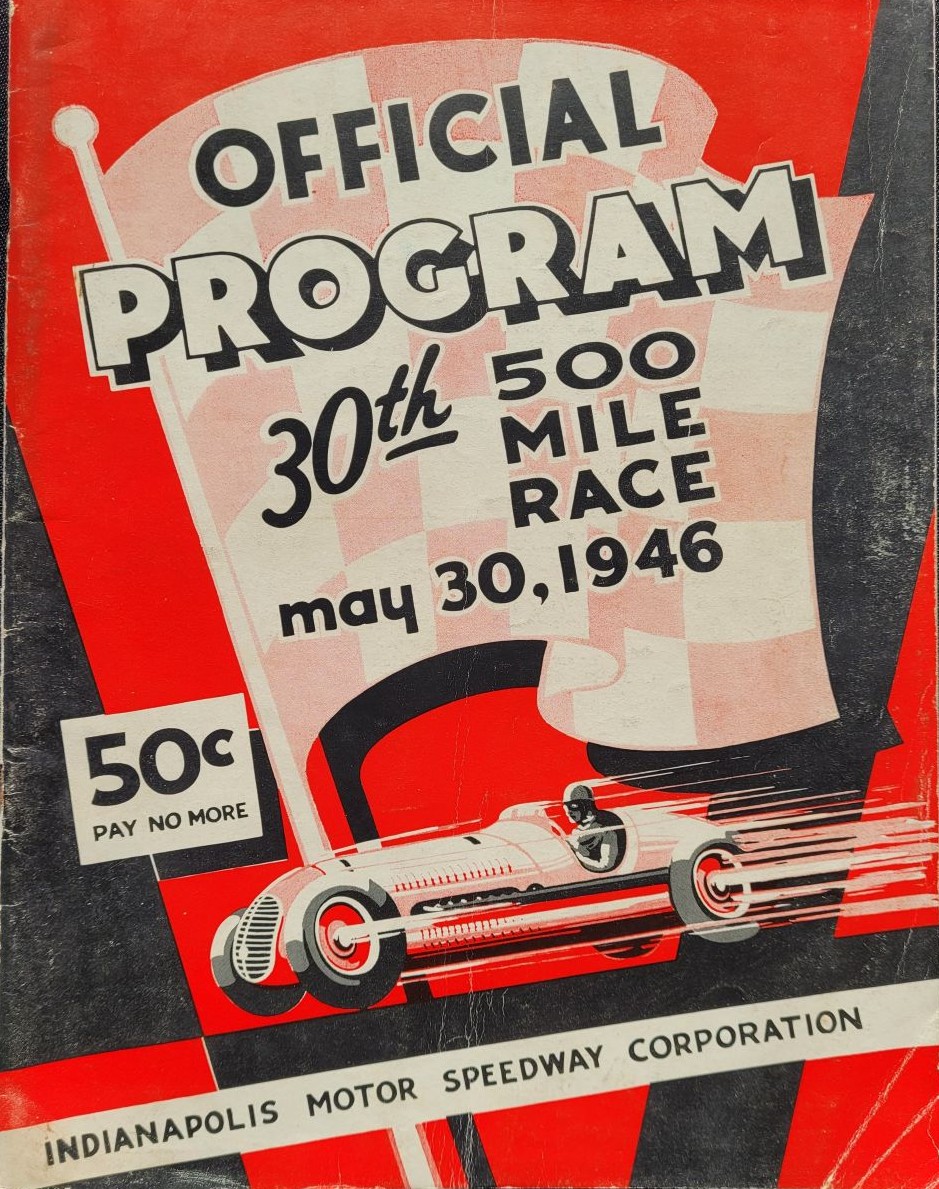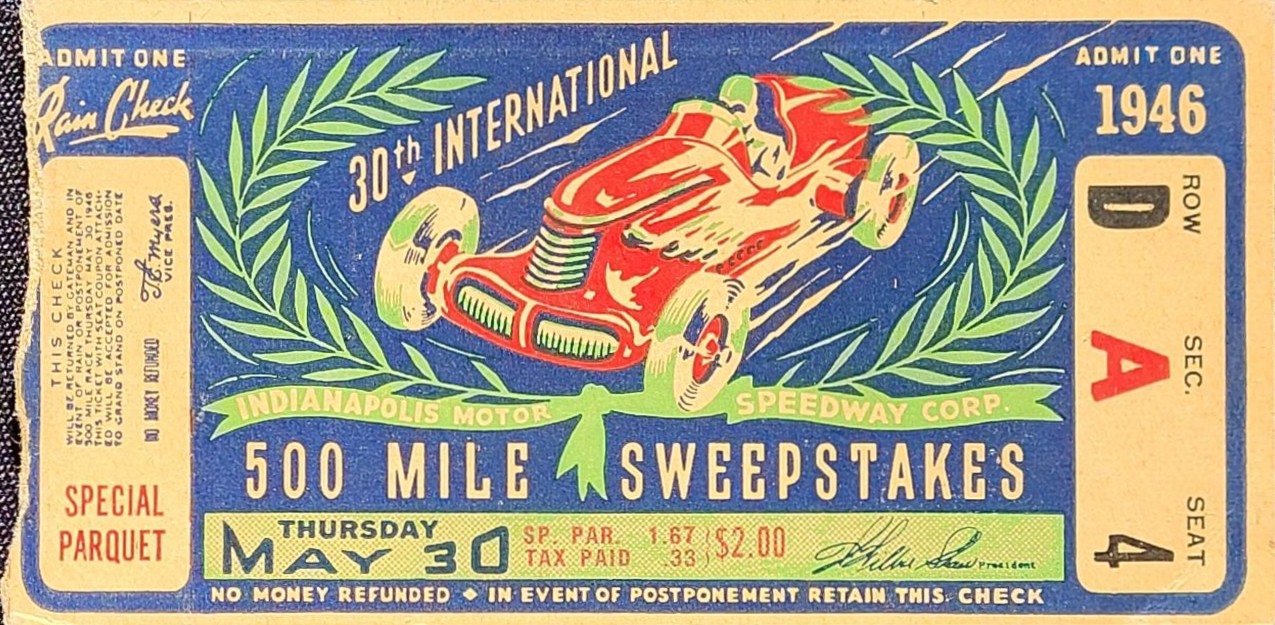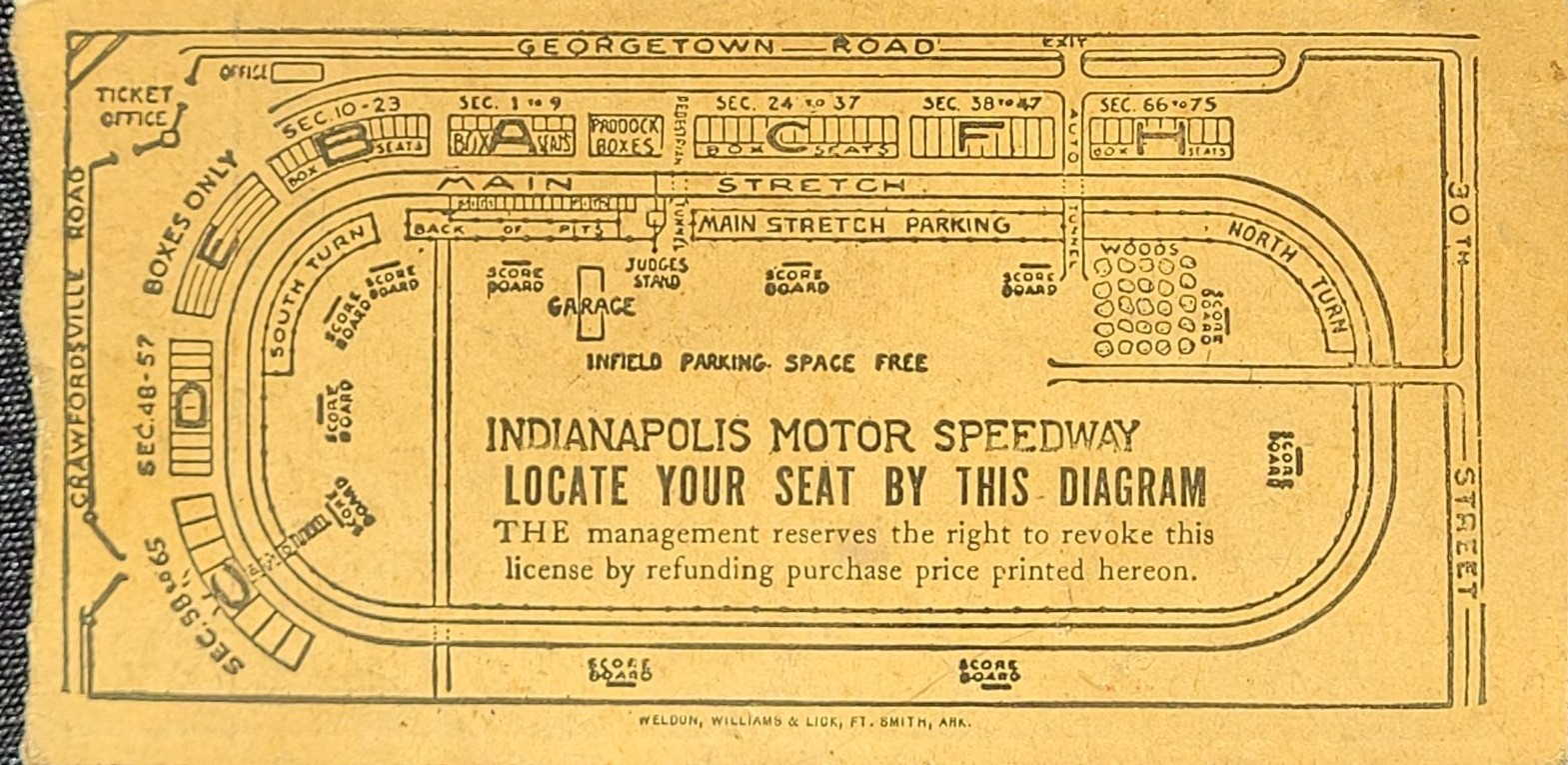
The 1946 Indianapolis 500, held on May 30, 1946, was the first Indianapolis 500 run after a four‑year break caused by World War II and became a defining moment in American motorsport’s postwar resurgence. During the war the Indianapolis Motor Speedway had fallen into serious disrepair after years of neglect, so in late 1945 local businessman Anton “Tony” Hulman Jr. bought the facility and led an extensive restoration—preparing the track, fixing grandstands, and renovating other critical infrastructure—so it would be ready for the 1946 race. The pole position was won by veteran driver Cliff Bergere, who set the fastest qualifying speed at 126.471 mph, becoming the oldest pole winner in the event’s history up to that time. In the race George Robson emerged victorious in the Thorne Engineering Special at an average speed of 114.820 mph, finishing about 34 seconds ahead of Jimmy Jackson, who took second, while Ted Horn was third. Of the 33 starters, only nine cars were still running at the finish, reflecting the mechanical strain of the 500‑mile distance and the challenges teams faced with older equipment after the war. The successful renewal of the Speedway and the dramatic competition on race day symbolized both the revival of the Indianapolis 500 and a broader return to peacetime American auto racing.