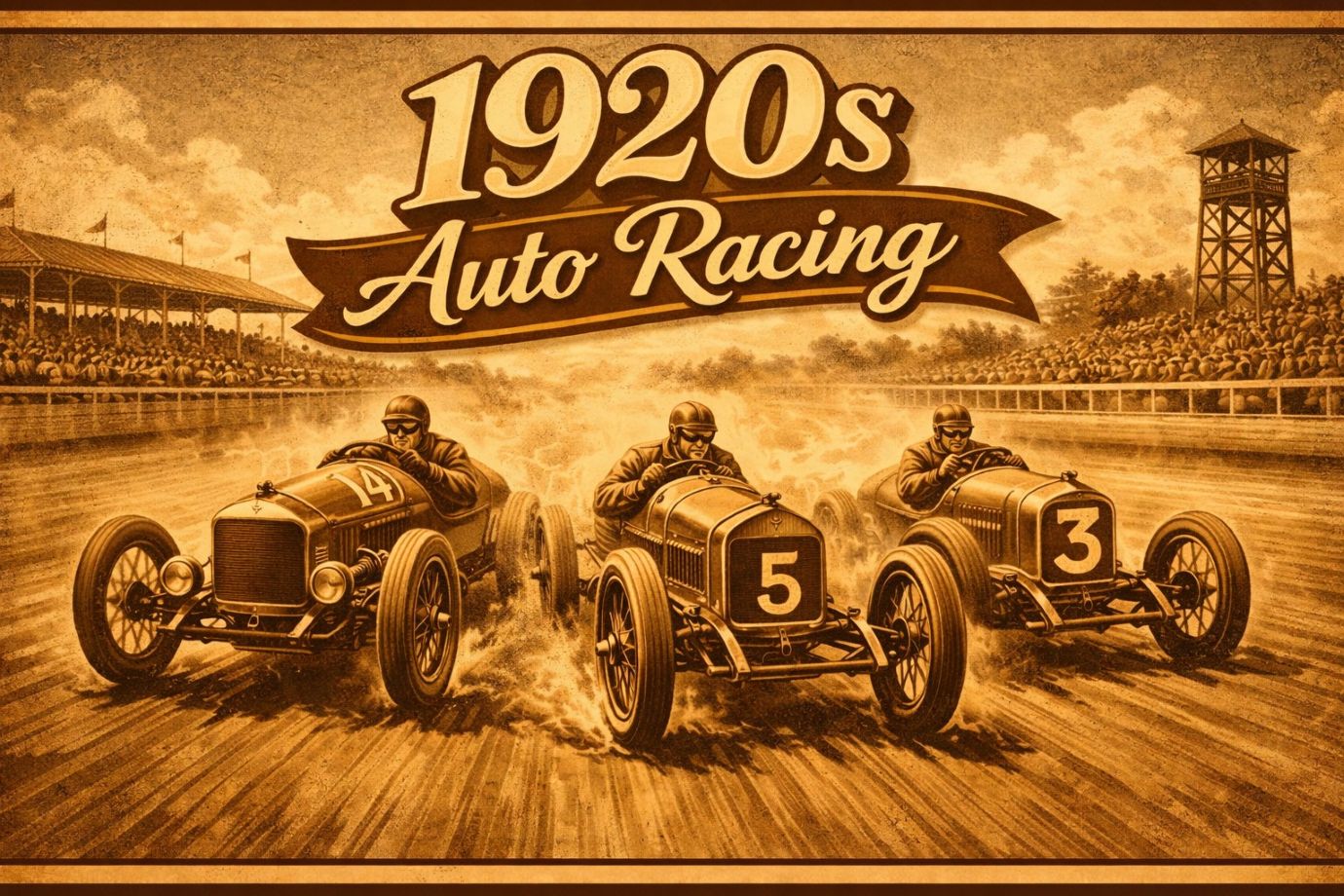
The 1920s marked the true birth of organized motorsports in the United States and Europe, transforming racing from loosely organized contests into structured, spectator-driven events. Board track racing surged in popularity during the early part of the decade, with high-speed wooden ovals built in cities such as Beverly Hills, Altoona, and Newark. These tracks hosted daring competitions featuring powerful, purpose-built cars capable of astonishing speeds, drawing massive crowds and national attention. At the same time, dirt track racing flourished at fairgrounds across the country, making motorsports accessible to smaller towns and grassroots competitors.
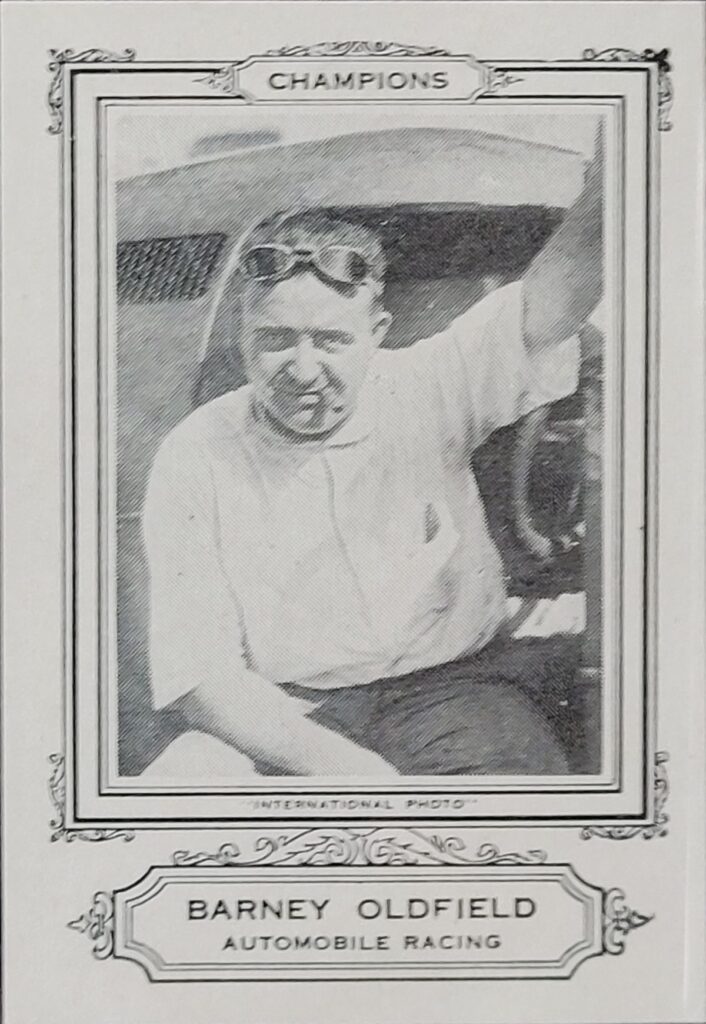
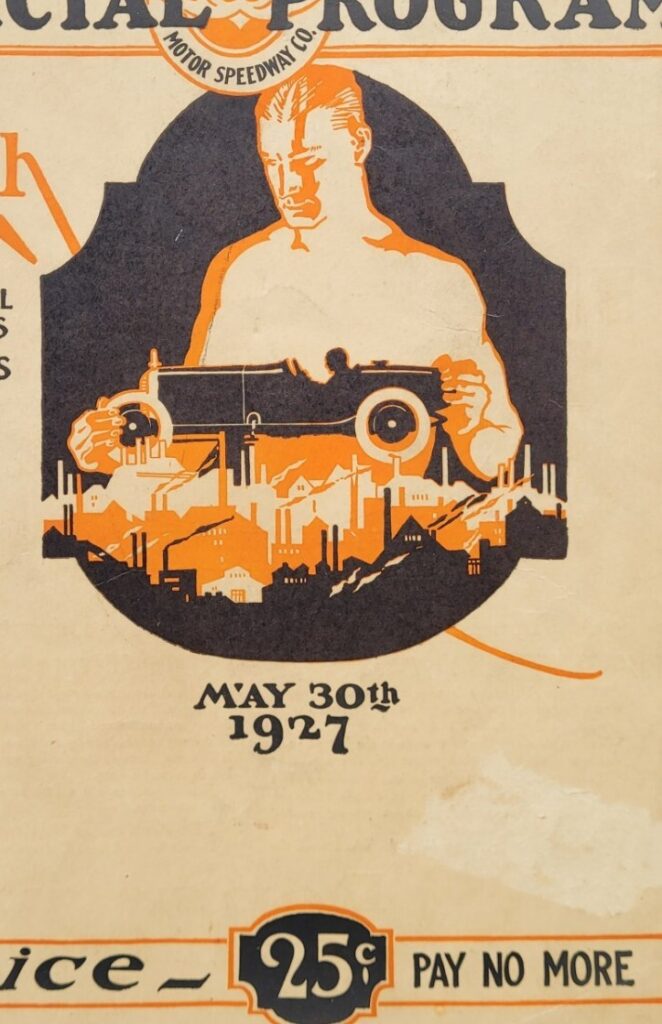
Technological advancement defined the era. Manufacturers such as Duesenberg, Miller, Frontenac, and Bugatti pushed engineering boundaries with lighter chassis, improved braking systems, and more reliable engines. The Indianapolis 500 became the premier showcase for innovation and endurance, helping to establish racing as both a proving ground for automotive progress and a serious professional sport. Legendary drivers emerged during the decade, earning fame for their bravery in an era with minimal safety protections. By the end of the 1920s, motorsports had firmly embedded itself into popular culture, laying the foundation for modern racing series, iconic venues, and the global motorsport industry that followed.