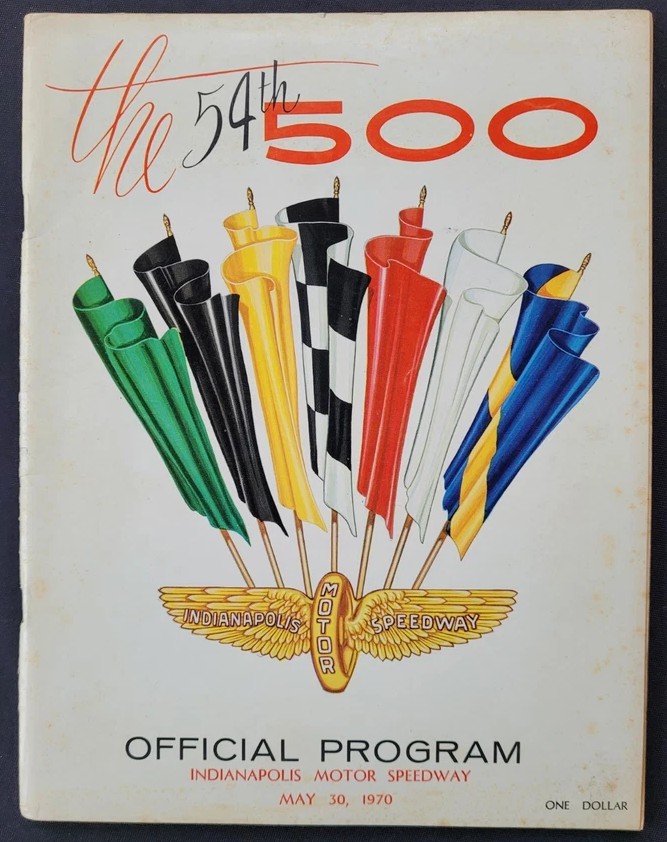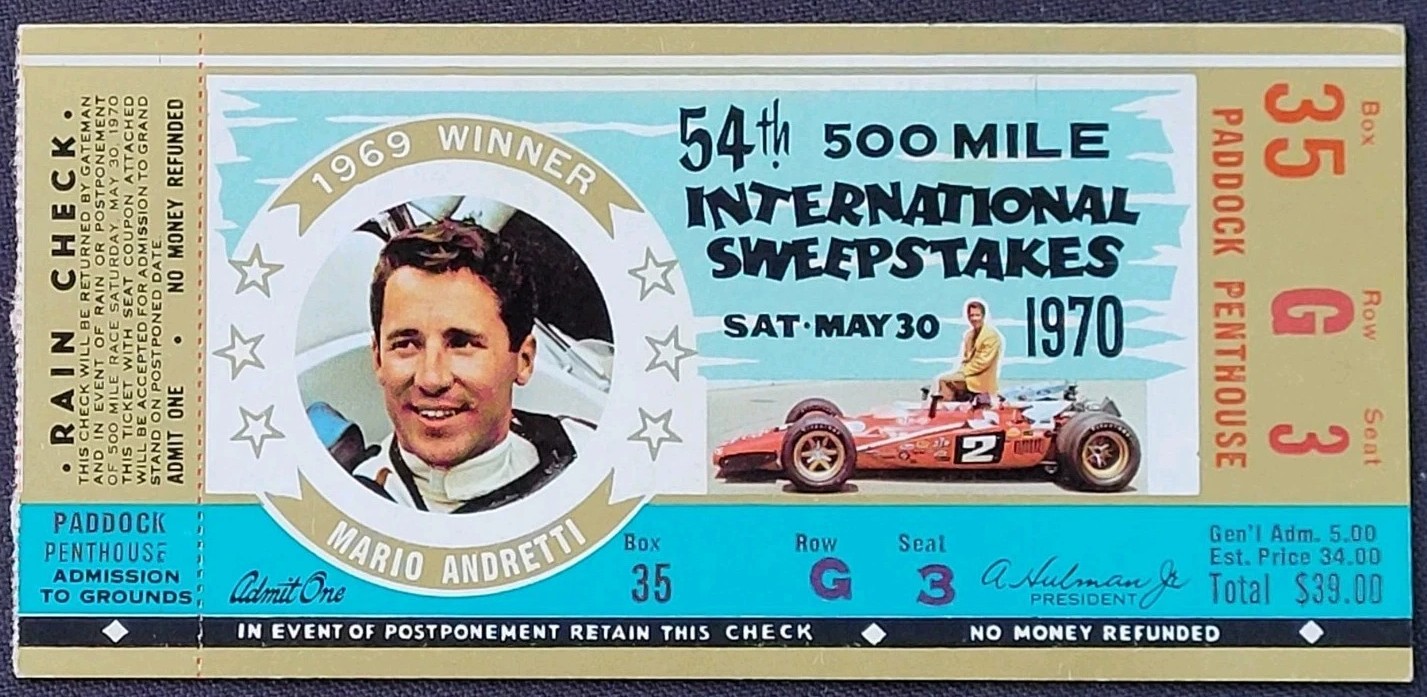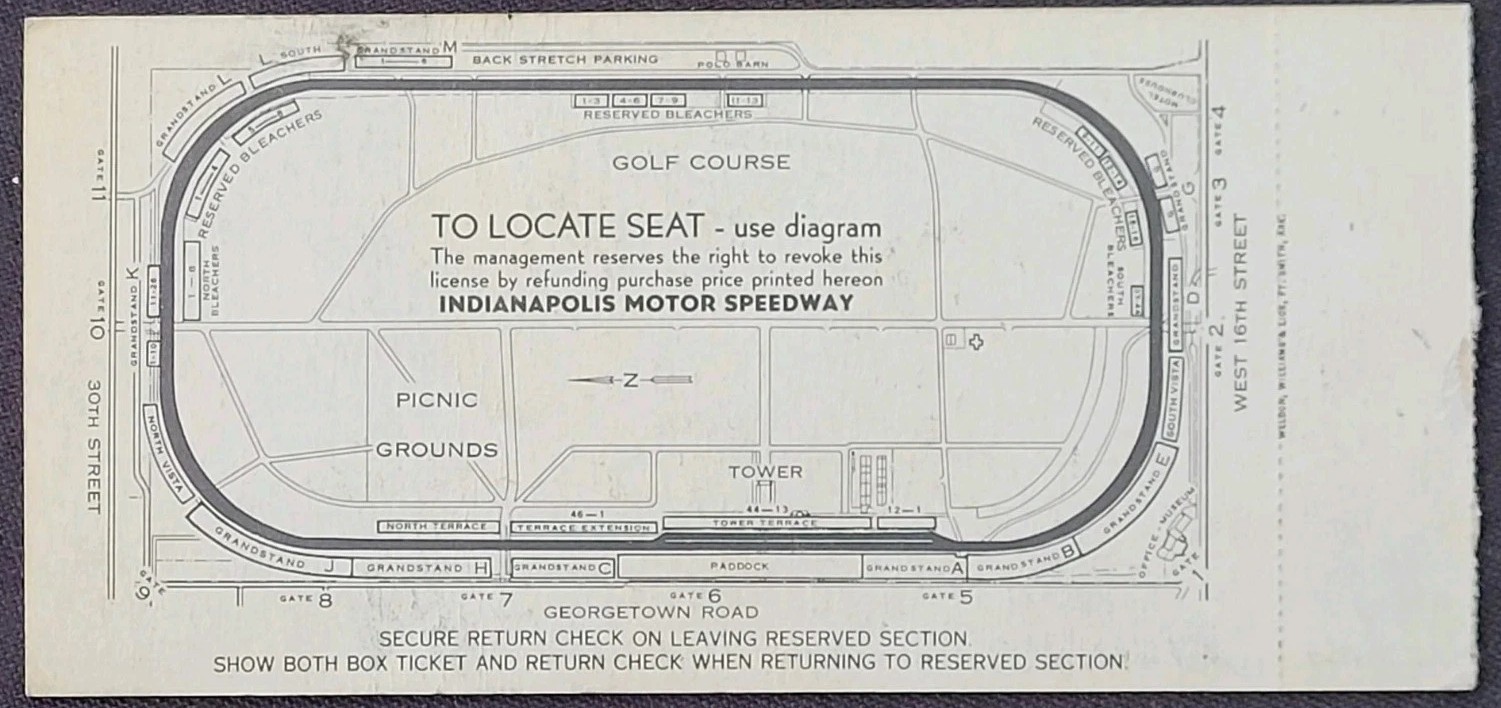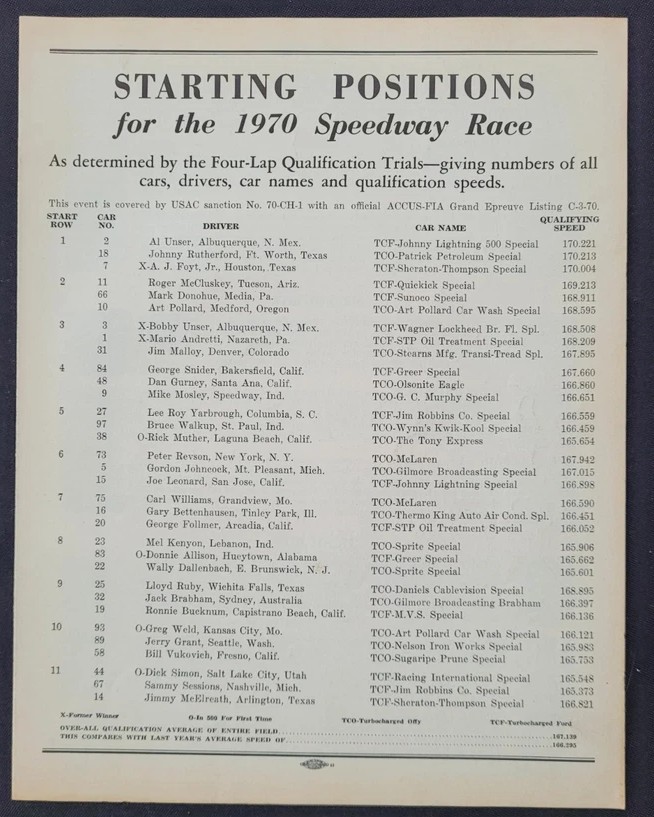
The 54th running of the Indianapolis 500 took place on Saturday, May 30, 1970, at the Indianapolis Motor Speedway in Speedway, Indiana, drawing an estimated crowd of 250,000 fans who gathered to witness one of the most anticipated motorsport events of the year. Rain early on race morning delayed the scheduled start by nearly thirty minutes, and further disruption came when Jim Malloy collided with the outside wall on the pace lap, forcing officials to hold the field before the race could officially begin. Despite these early setbacks, the full 200 laps were ultimately completed on race day.
Al Unser Sr. entered the month as one of the sport’s emerging stars, and on this day, he delivered one of the most dominant performances in Indianapolis 500 history. Unser, driving the Vel’s Parnelli Jones Racing Ford Colt, secured the pole position with a four-lap qualifying average of 170.221 mph, placing him at the head of the field as the green flag fell. He went on to lead an astonishing 190 of the 200 laps, maintaining a commanding pace that his competitors struggled to match. Unser crossed the finish line to claim his first Indianapolis 500 victory, completing the 500‑mile distance at an average speed of 155.749 miles per hour.
Mark Donohue, driving the Sunoco‑sponsored Lola/Ford entry for U.S. Racing, Inc., finished second after a strong and consistent race, earning a runner‑up result and leading five laps during the event. Dan Gurney, the veteran driver and constructor, came home third, rounding out a competitive podium and highlighting the depth of talent in the field. Other notable finishers included Donnie Allison and Jim McElreath, both of whom completed all 200 laps, while Mario Andretti, the 1969 winner, ran in the top group before finishing sixth after completing 199 laps.
The 1970 race was significant for several reasons beyond the on‑track results. For the first time in Indianapolis 500 history, all 33 entrants were turbocharged cars, marking a turning point in technology and underscoring the increasing role of forced induction in American open‑wheel racing. The total purse for the event exceeded one million dollars for the first time, a record figure that reflected the growing commercial stature of the race; Unser’s winning share was $271,697, the largest single payday in the event’s history to that point. Car owner Parnelli Jones, who had won the Indianapolis 500 as a driver in 1963, became the second person to win the race both as a competitor and as an owner, joining an exclusive group of multi‑facet contributors to the sport.
The Indianapolis 500 of 1970 was also the final edition to be scheduled strictly on the fixed date of May 30, a tradition that had been followed since the race’s earliest years unless that date fell on a Sunday. Changes to the national observance of Memorial Day the following year would shift scheduling practices, but in 1970 the event upheld longstanding convention. The race’s pace car was an Oldsmobile 442, driven by Indianapolis legend Rodger Ward, and the event was broadcast nationally on ABC’s Wide World of Sports with announcers Jim McKay and Rodger Ward guiding television viewers through the day’s action.
Unser’s triumph at Indianapolis marked the beginning of a remarkable legacy at The Brickyard. By becoming one of the few drivers to win the 500 multiple times, and joining his brother Bobby Unser as the first set of brothers to each win the race, Al Unser cemented his place among Indianapolis’ all‑time greats. His commanding performance in the 1970 Indianapolis 500 remains a defining moment in the event’s storied history, representing both a personal breakthrough and a milestone in the evolution of open‑wheel racing on America’s most famous oval.