The 1914 AAA National Championship season, part of the American Automobile Association’s early efforts to organize premier open-wheel and road racing in the United States, consisted of 15 sanctioned races running from February 26 in Santa Monica, California, to November 26 in Corona, California. These events primarily took place on road courses and the Indianapolis Motor Speedway, featuring a mix of prestigious grand prix-style contests and shorter races that highlighted the era’s blend of American ingenuity and strong European technological influence. No official points system was used by the AAA Contest Board during the year, and thus no national champion was formally declared at the time; any standings or titles were assigned retroactively in later years (notably in 1927 and revised in 1951) for historical purposes.
Ralph DePalma emerged as the de facto champion, widely recognized as such through contemporary consensus, including a poll by the influential Motor Age magazine, and later retroactive points tallies that placed him atop lists with strong showings in Mercedes entries. He secured key victories, including the William K. Vanderbilt Cup on February 26 at the Santa Monica road course, where he averaged 75.49 mph over nearly 295 miles, as well as triumphs at Elgin and other events, demonstrating consistency and speed across the grueling schedule. Other notable performers included Eddie Pullen in a Mercer (who won the American Grand Prize shortly after the Vanderbilt), René Thomas (whose Delage victory at the Indianapolis 500 on May 30 marked another European sweep of the podium, with Barney Oldfield’s Stutz as the top American finisher in fifth), and drivers like Ralph Mulford and Bob Burman who claimed wins in various rounds.
The season underscored the growing international flavor of American racing, with European marques like Mercedes, Delage, Peugeot, and Sunbeam frequently outperforming domestic brands such as Stutz, Mercer, and Duesenberg amid fierce competition. Tragically, incidents like a practice crash at Santa Monica that killed a spectator highlighted early safety concerns. As World War I erupted in Europe later that summer, the year’s momentum slowed, but 1914 remains a landmark for the Indianapolis 500’s prestige and DePalma’s rising dominance in the pre-formal championship era of U.S. motorsport.
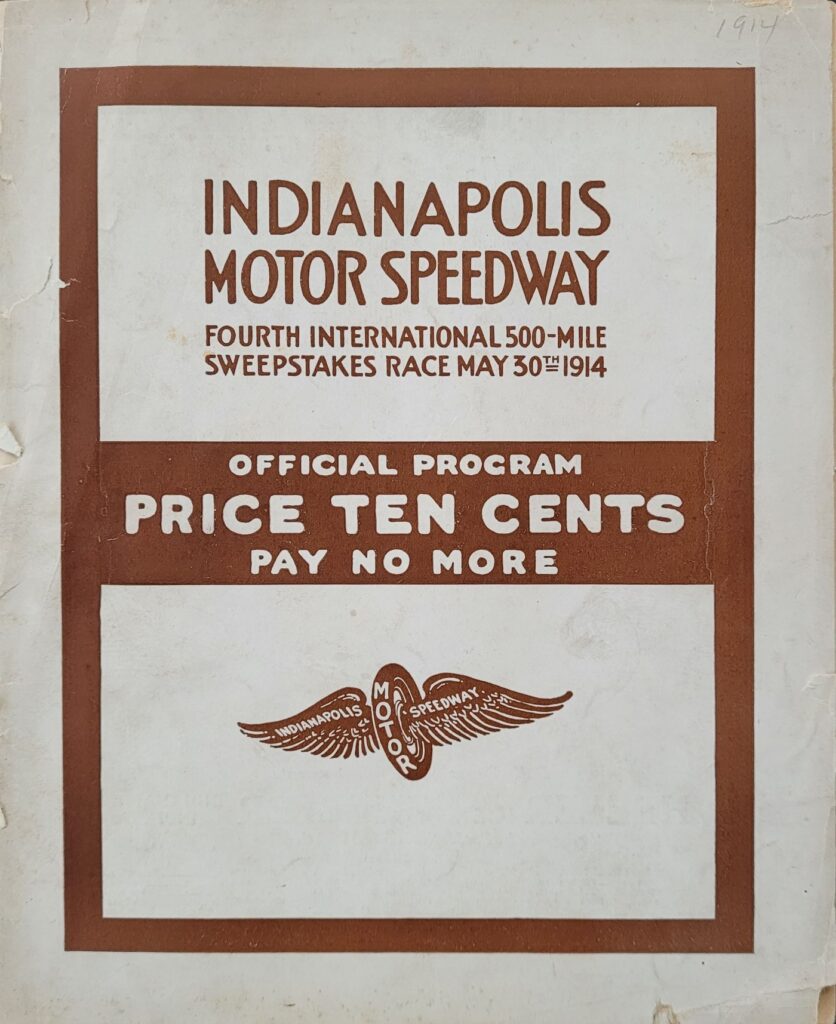
May 30, 1914