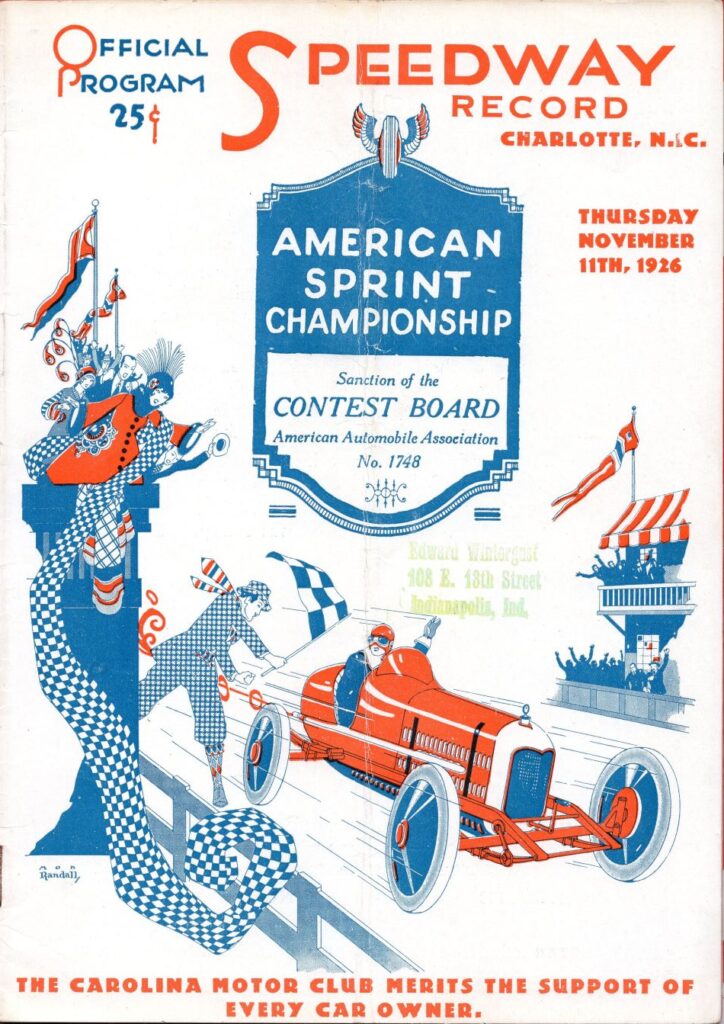
The 1926 AAA National Championship was sanctioned by the American Automobile Association (AAA). It featured 24 championship races, plus 7 non-championship events. The season ran from February 22 (Carl G. Fisher Trophy at Fulford board track near Miami Beach, Florida) to November 11 (season finale at Charlotte Speedway in Pineville, North Carolina).
Races primarily took place on high-banked wooden board ovals (the dominant format of the era, with speeds often exceeding 120–130 mph), dirt tracks, and the brick-paved Indianapolis Motor Speedway. This was under the new 91.5-cubic-inch (1.5-liter) supercharged engine formula introduced for 1926, which emphasized innovation like Harry Miller’s front-wheel-drive designs.
Harry Hartz won the AAA National Championship drivers’ title, dominating with five victories and consistent performances. He edged out runner-up Frank Lockhart who also had five wins. Other top contenders included Peter DePaolo (third, two wins), Bennett Hill (fourth, two wins), Dave Lewis (three wins, and drivers like Leon Duray, Earl Devore, and Peter Kreis.
The season’s centerpiece was the Indianapolis 500 on May 31 (the fourth round), won by rookie Frank Lockhart in a Miller at an average of 95.904 mph. It was the first rain-shortened Indy 500 in history (red-flagged after 400 miles/160 laps due to heavy rain), with Lockhart building a two-lap lead before the stoppage. Tragically, the event included a fatal practice crash for Herbert Jones, highlighting the era’s dangers.
The year showcased Miller dominance (conventional and front-drive variants), high attrition from mechanical failures (superchargers, con-rods, valves), and the risks of board tracks (splintering surfaces, tire issues). It was a peak for the roaring ’20s board-track era but also transitional, as maintenance costs and safety concerns began eroding these venues’ viability.
Harry Hartz’s championship solidified his status as one of the era’s top drivers, capping a season of intense competition and technological progress amid the sport’s inherent perils.
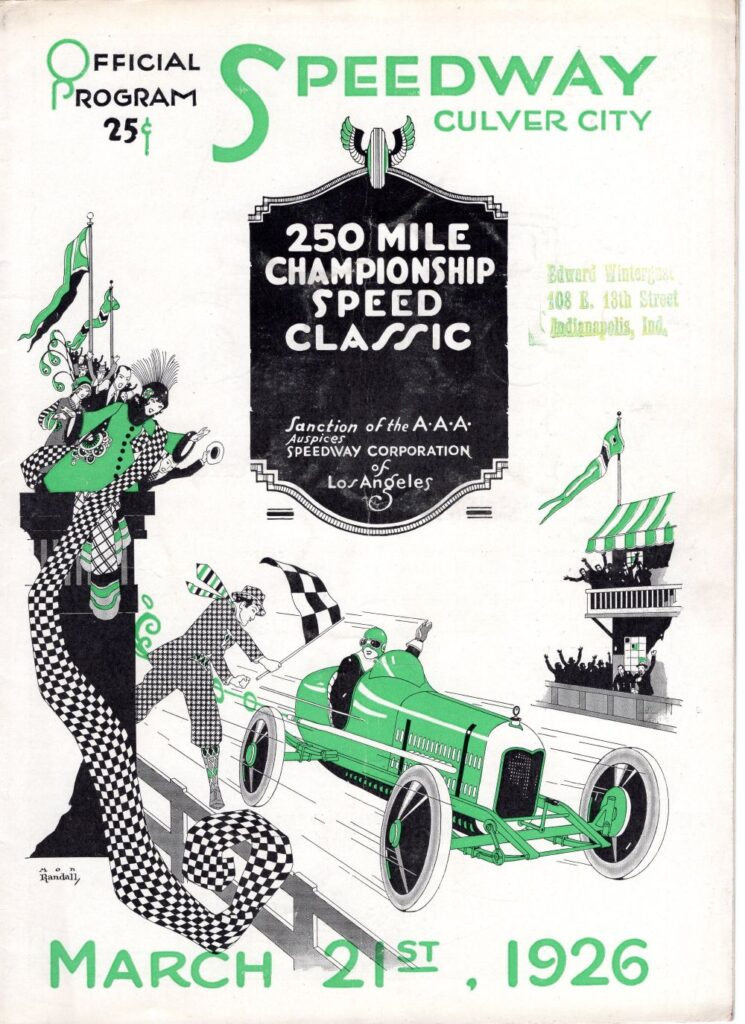
March 21, 1926
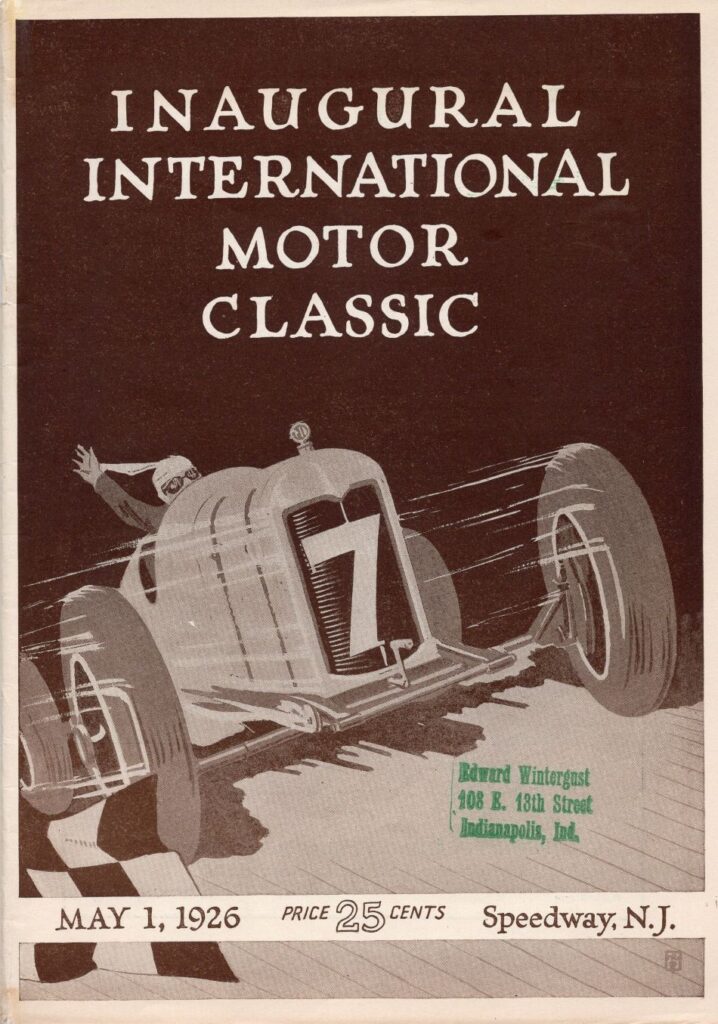
May 1, 1926
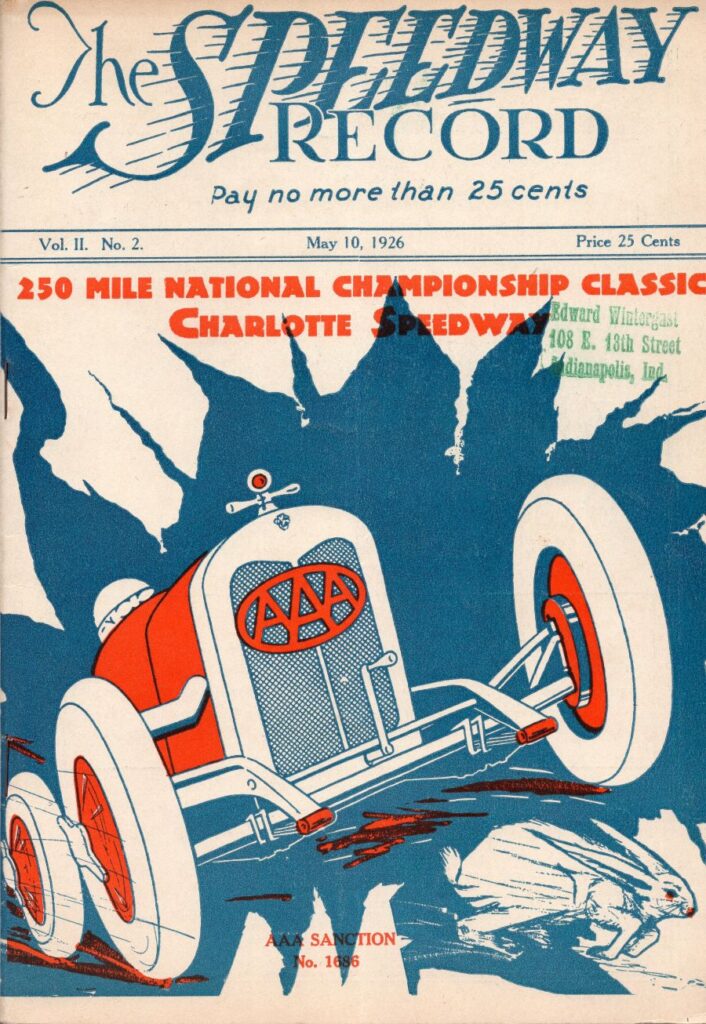
May 10, 1926
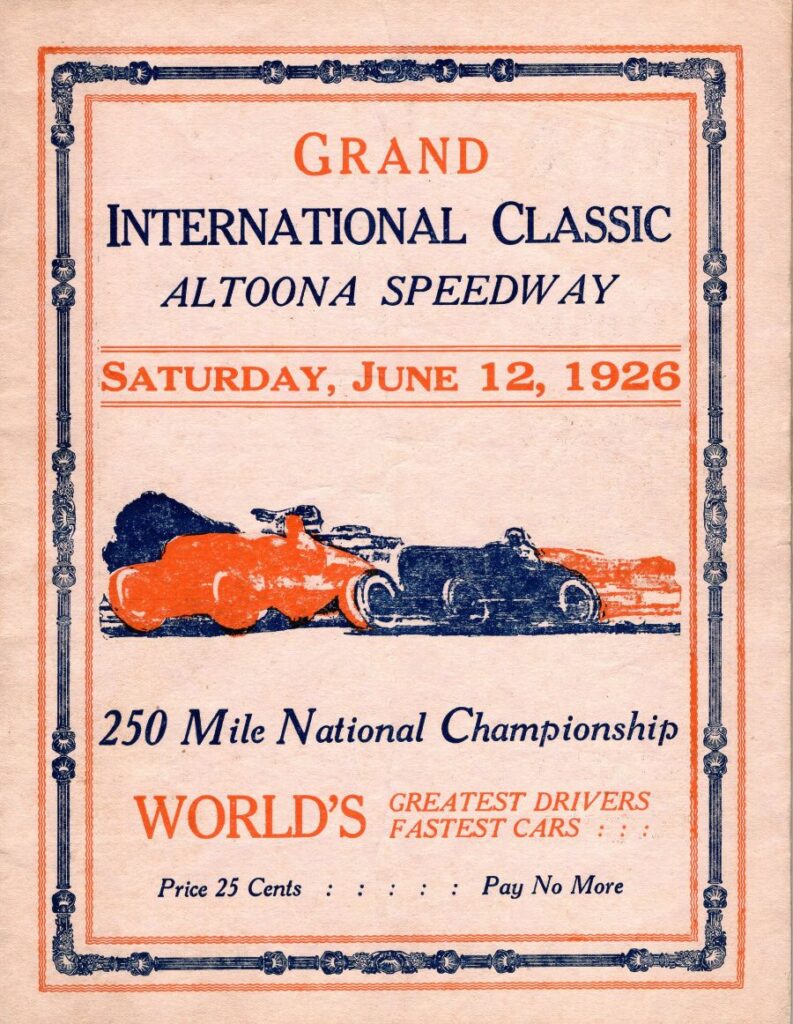
June 12, 1926
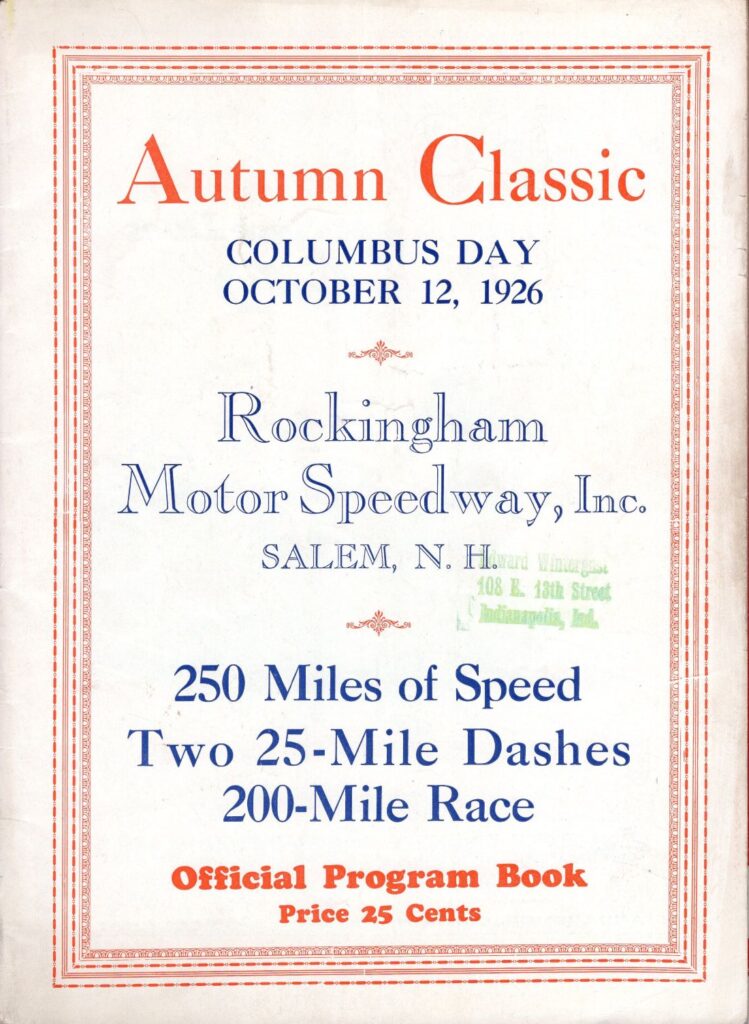
October 12, 1926