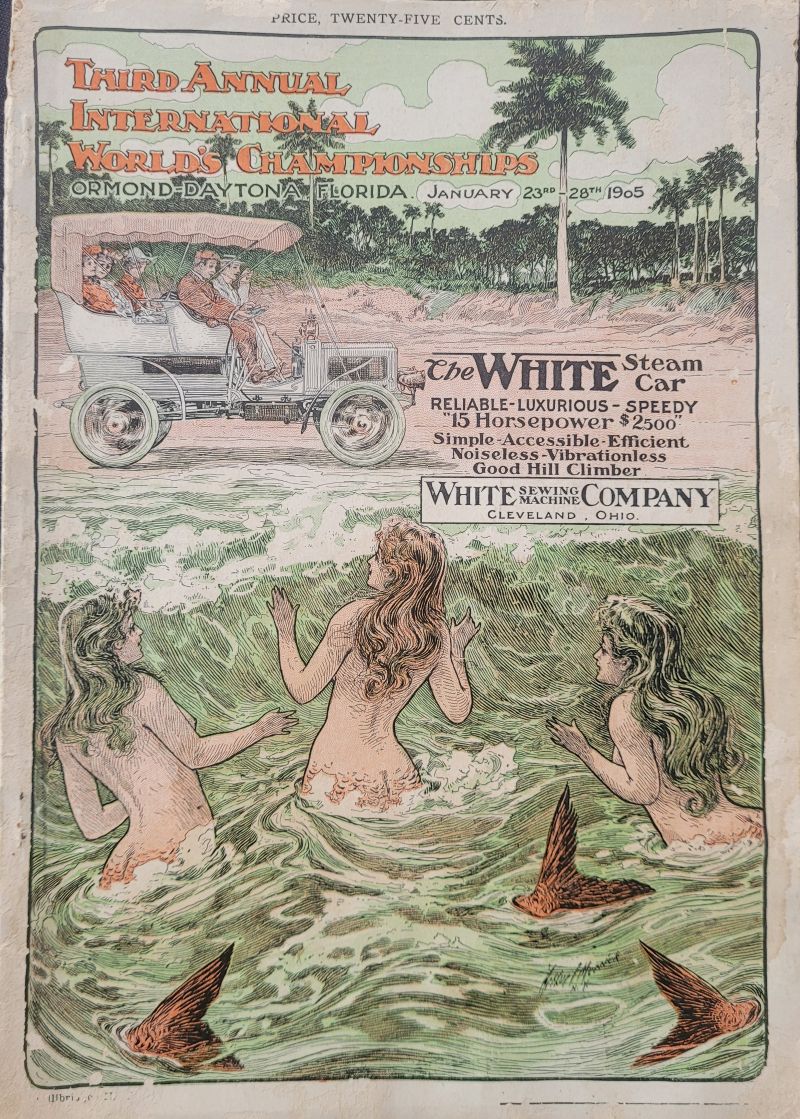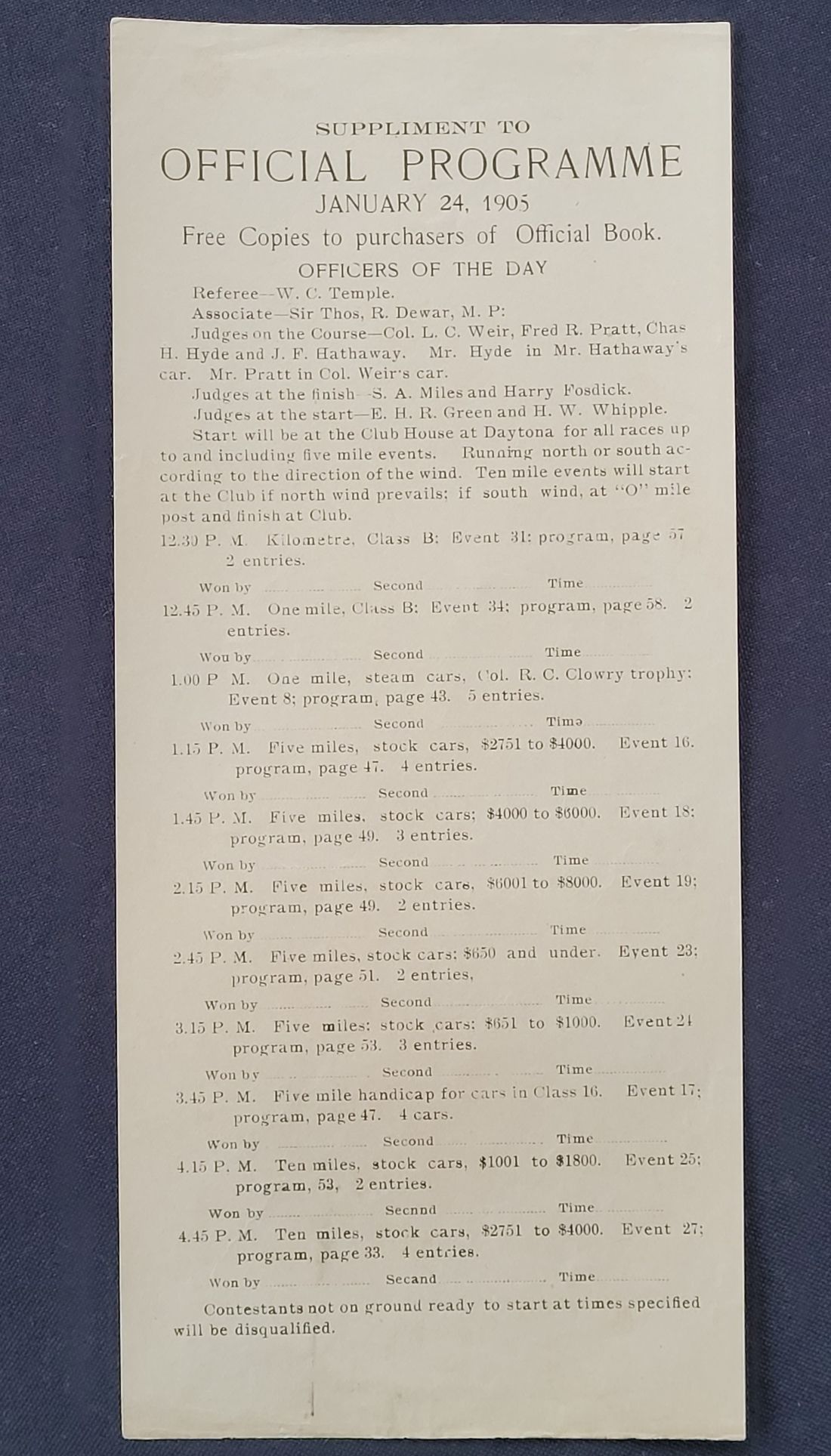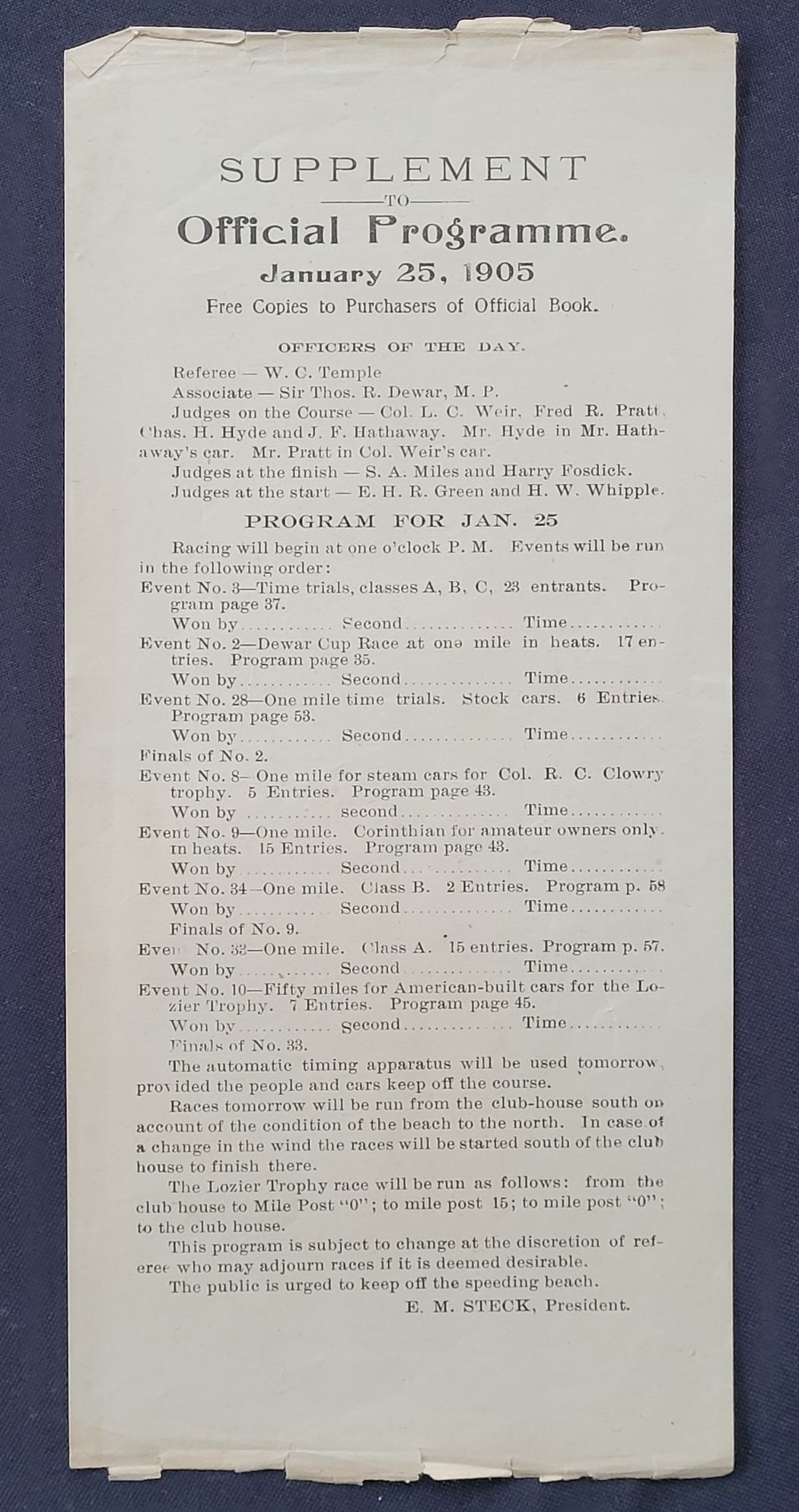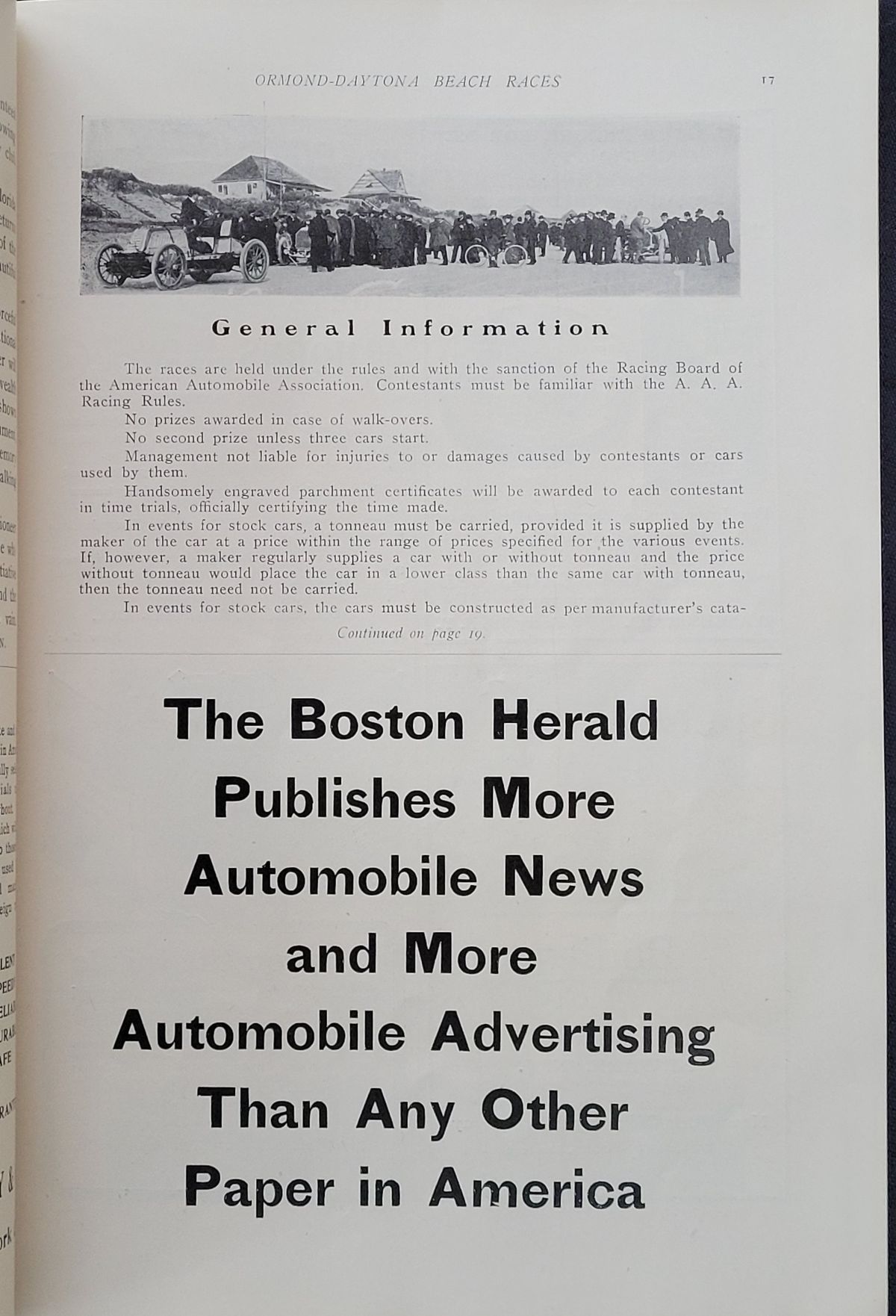
The 1905 Daytona (Ormond–Daytona) Speed Trials were held January 24–31, 1905, on the hard-packed sands of Ormond and Daytona Beach, Florida, as part of the annual Florida Winter Carnival of Speed, under the sanction and timing of the American Automobile Association (AAA). By this time, the beach course had already earned international acclaim as the world’s premier venue for high-speed automobile testing. The event drew tens of thousands of spectators, with crowds lining miles of shoreline and hotels filled across the region, while extensive newspaper coverage in the United States and Europe reinforced Daytona’s growing reputation as the “Birthplace of Speed.”
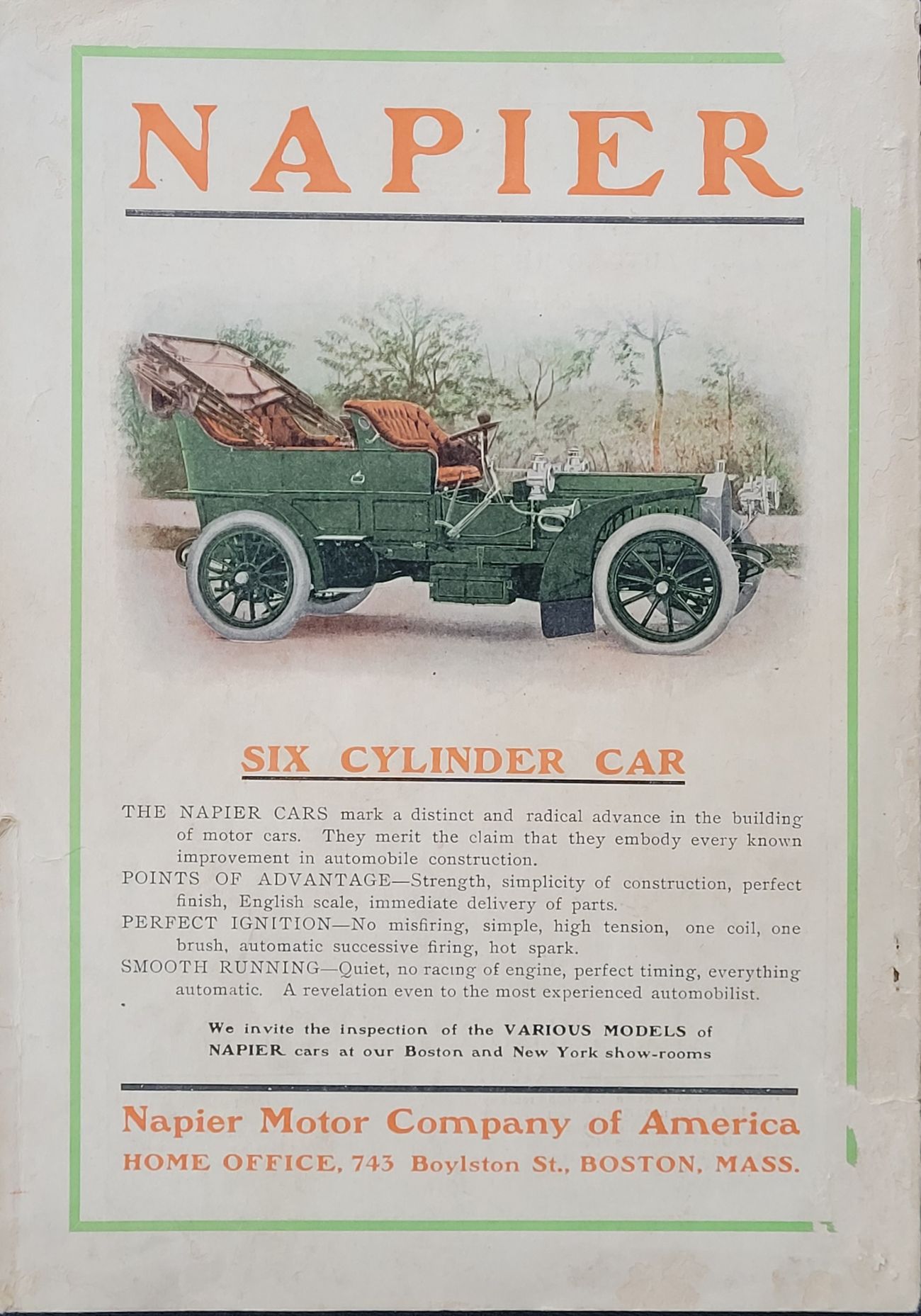
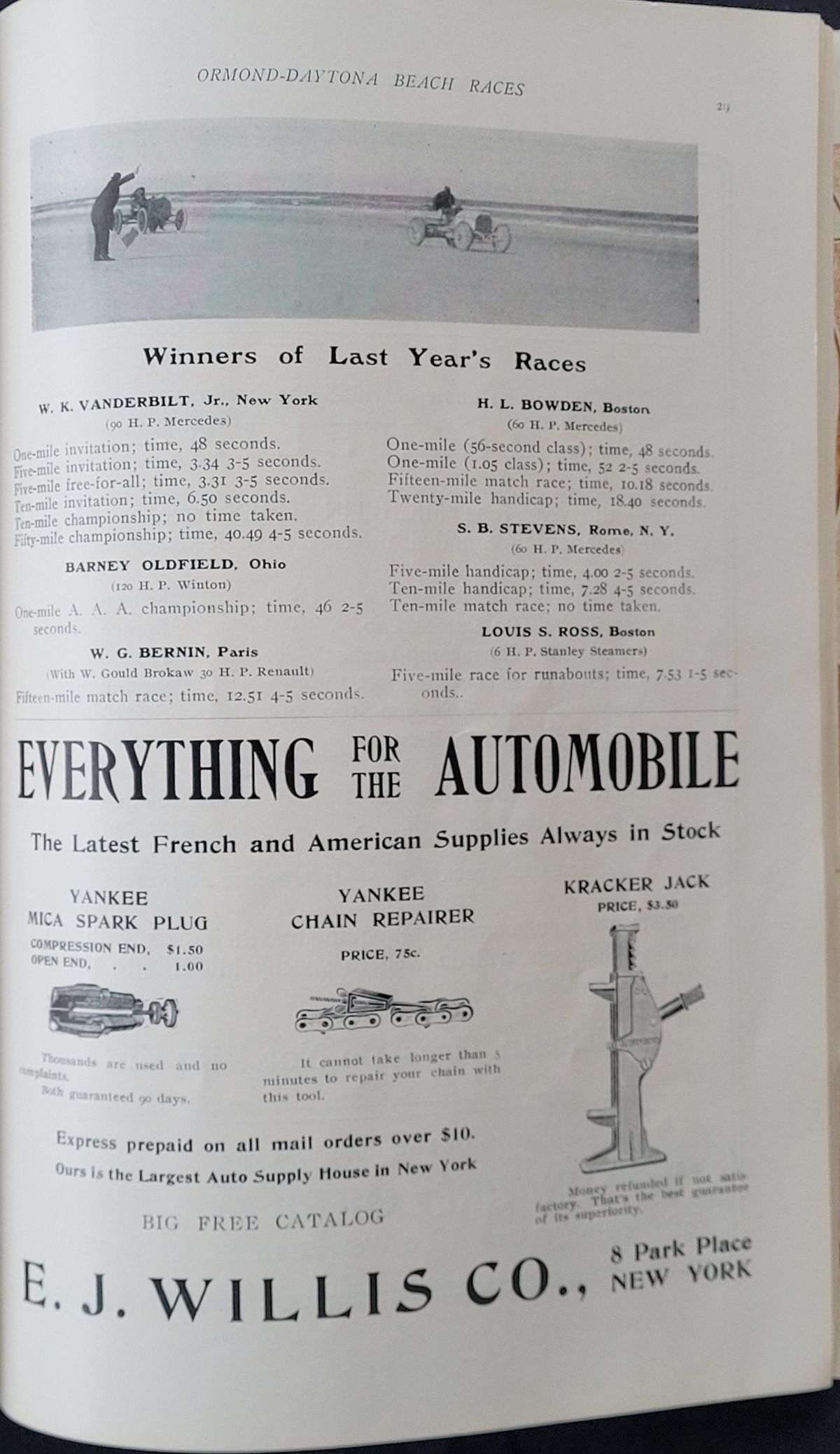
Competition during the week featured many of the era’s top drivers and manufacturers, including William K. Vanderbilt Jr., Barney Oldfield, Alexander Winton, Ransom E. Olds, Henry W. Fletcher, and H. L. Bowden, representing leading firms such as Mercedes, Napier, De Dietrich, Winton, and REO. Speeds again climbed into triple digits during unofficial and exhibition runs, while numerous class, distance, and endurance records were established, further advancing early automotive engineering. Both gasoline and steam-powered machines were entered, highlighting the ongoing technical rivalry between competing propulsion systems.
Although no new officially recognized world land speed record emerged from the 1905 meet, the event played a critical role in confirming Daytona’s unmatched suitability for high-speed competition. The success of the trials strengthened the area’s position as the center of international speed racing, helping sustain a tradition that would see the beach host many of the world’s greatest speed achievements over the next three decades and ultimately cement its legacy in American motorsport history.