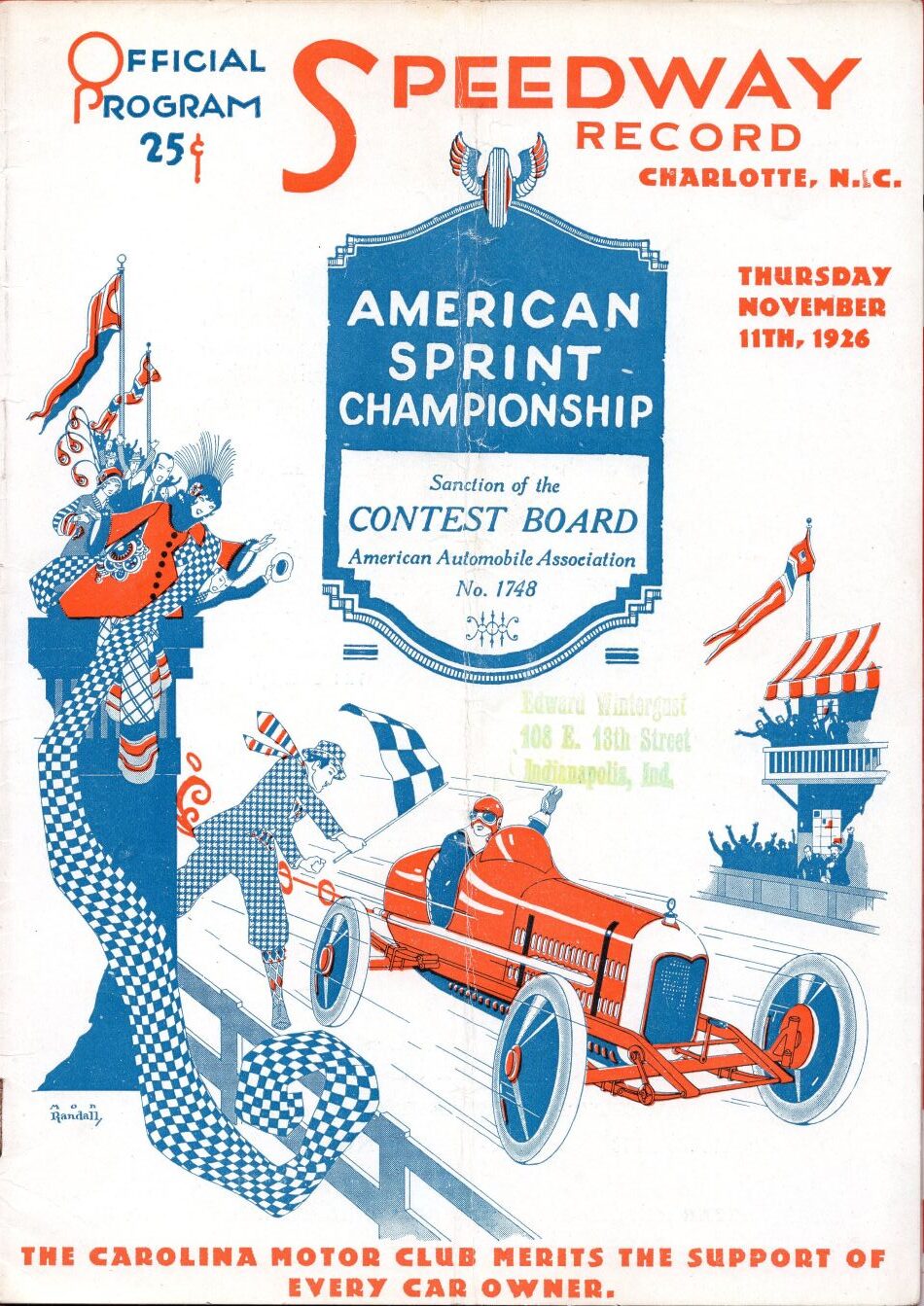
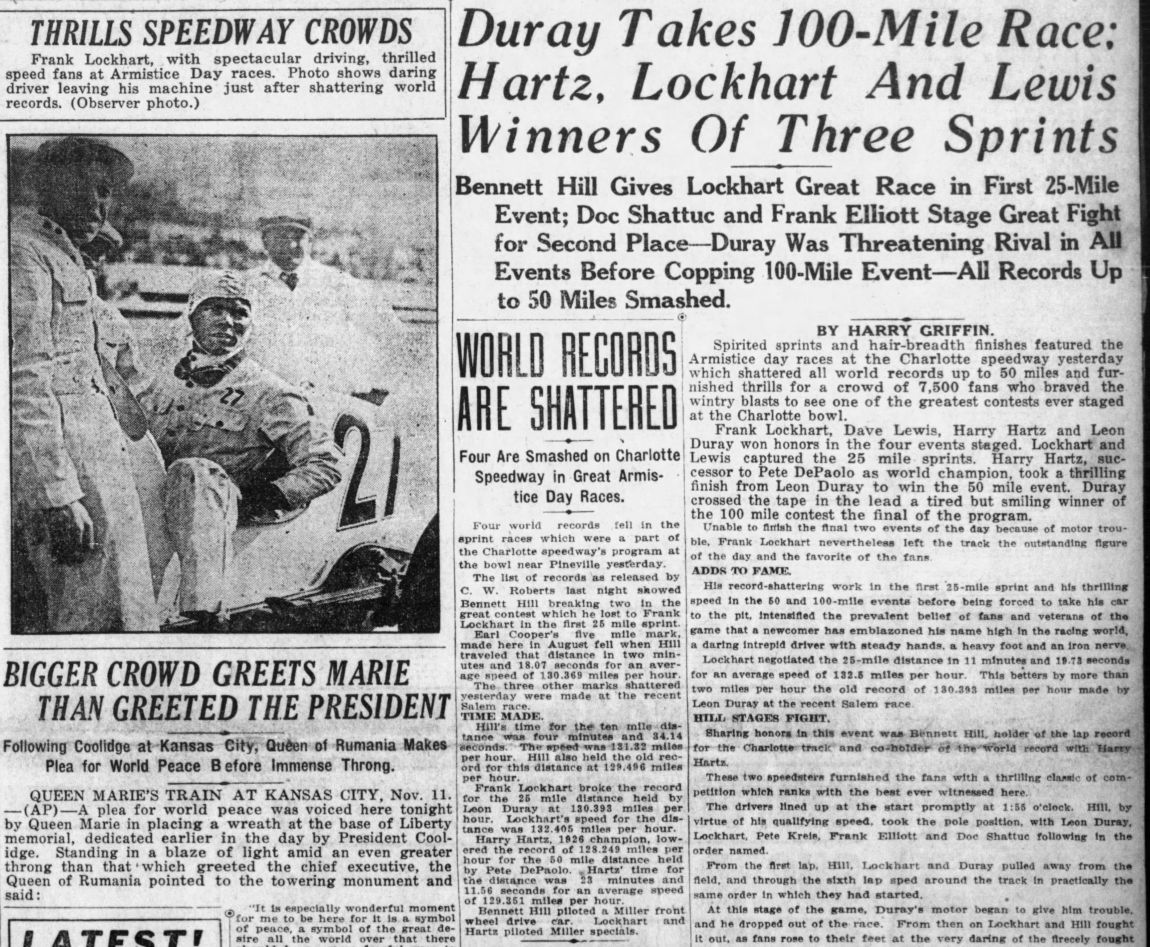
The November 11, 1926, events at Charlotte Speedway (the 1.25-mile high-banked wooden board oval in Pineville, North Carolina) served as the season finale for the 1926 AAA National Championship Trail. Unlike the longer-distance races held there earlier in the year (e.g., the 250-mile event on May 10), this program used a multi-heat format typical of late-season board-track events to conclude the championship: three preliminary races (two 25-mile heats and a 50-mile semi-final) followed by a 100-mile main event. All were championship points races, contributing to the final standings where Harry Hartz secured the AAA National Championship title.
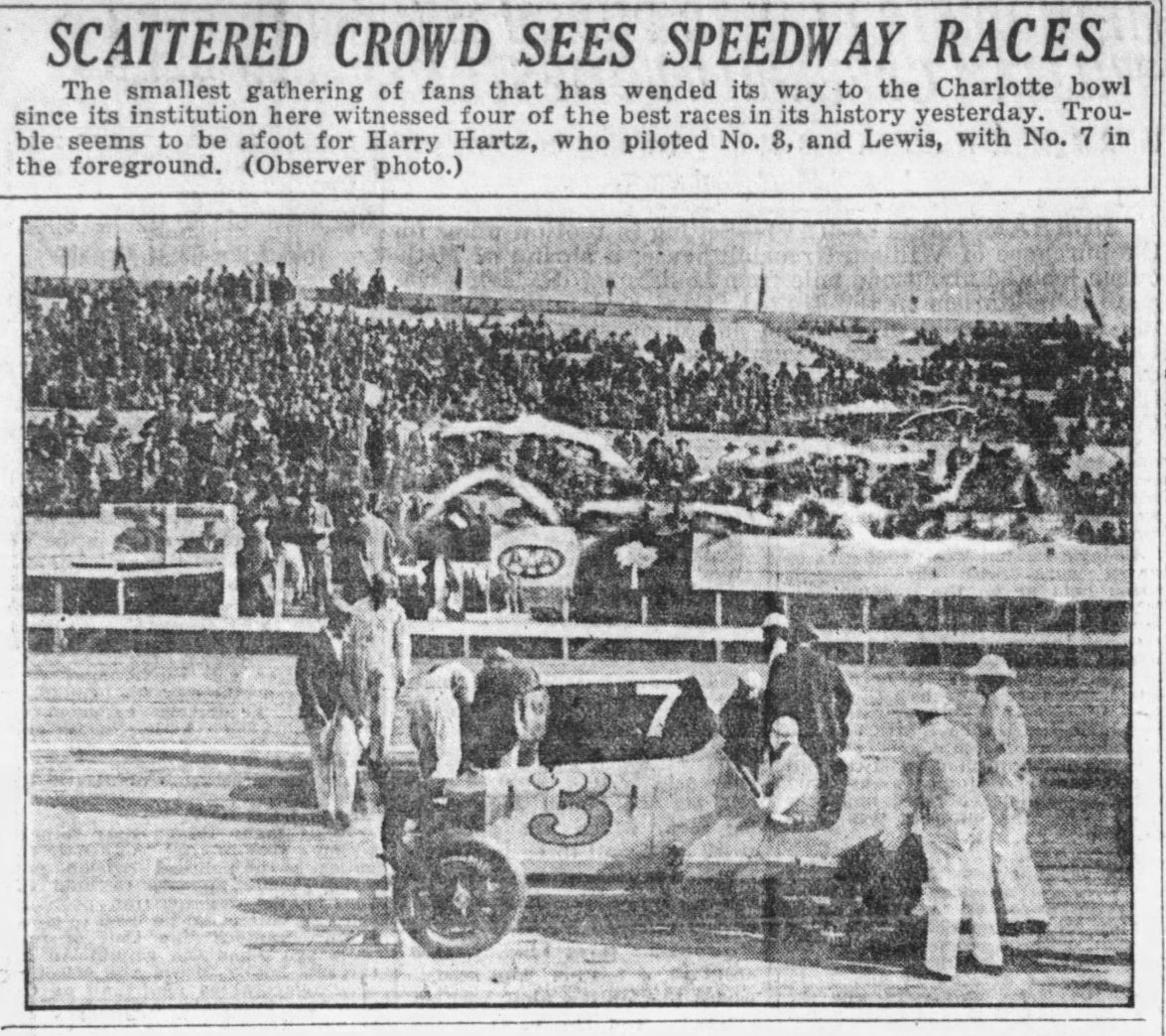
The day’s racing drew a modest crowd of around 7,500 spectators (a sharp decline from earlier events at the track, signaling waning interest in board ovals amid maintenance issues and economic factors). The format featured intense, short bursts of speed on the aging wooden surface, with Miller-powered cars (including front-drive innovations) dominating.
Key results (from historical records like Champ Car Stats and period accounts):
- Heat 1 (25 miles): Won by Frank Lockhart (Miller Special, car #27). Bennett Hill is noted in some sources as a top qualifier or alternate listing, but Lockhart took the win.
- Heat 2 (25 miles): Won by Dave Lewis (Miller Front Drive Special, car #7) — showcasing the front-wheel-drive Miller’s competitiveness.
- Semi-Final (50 miles): Won by Harry Hartz (Miller Special, car #3), who was already clinching points toward his championship.
- Main Event / Feature (100 miles): Won by Leon Duray (Miller Front Drive Special, car #12). This victory highlighted Duray’s skill with the innovative front-drive setup in a longer contest.
This marked the third time Charlotte Speedway hosted AAA championship events in 1926 (May 10: 250 miles, won by Earl Devore; August 23: shorter sprints/heats; November 11: finale). The track, which opened in 1924 at a cost of $380,000, saw declining attendance by late 1926 (down from 35,000–55,000 earlier crowds). It hosted one more event in 1927 before closing permanently due to high maintenance costs and the era’s shift away from wooden ovals.
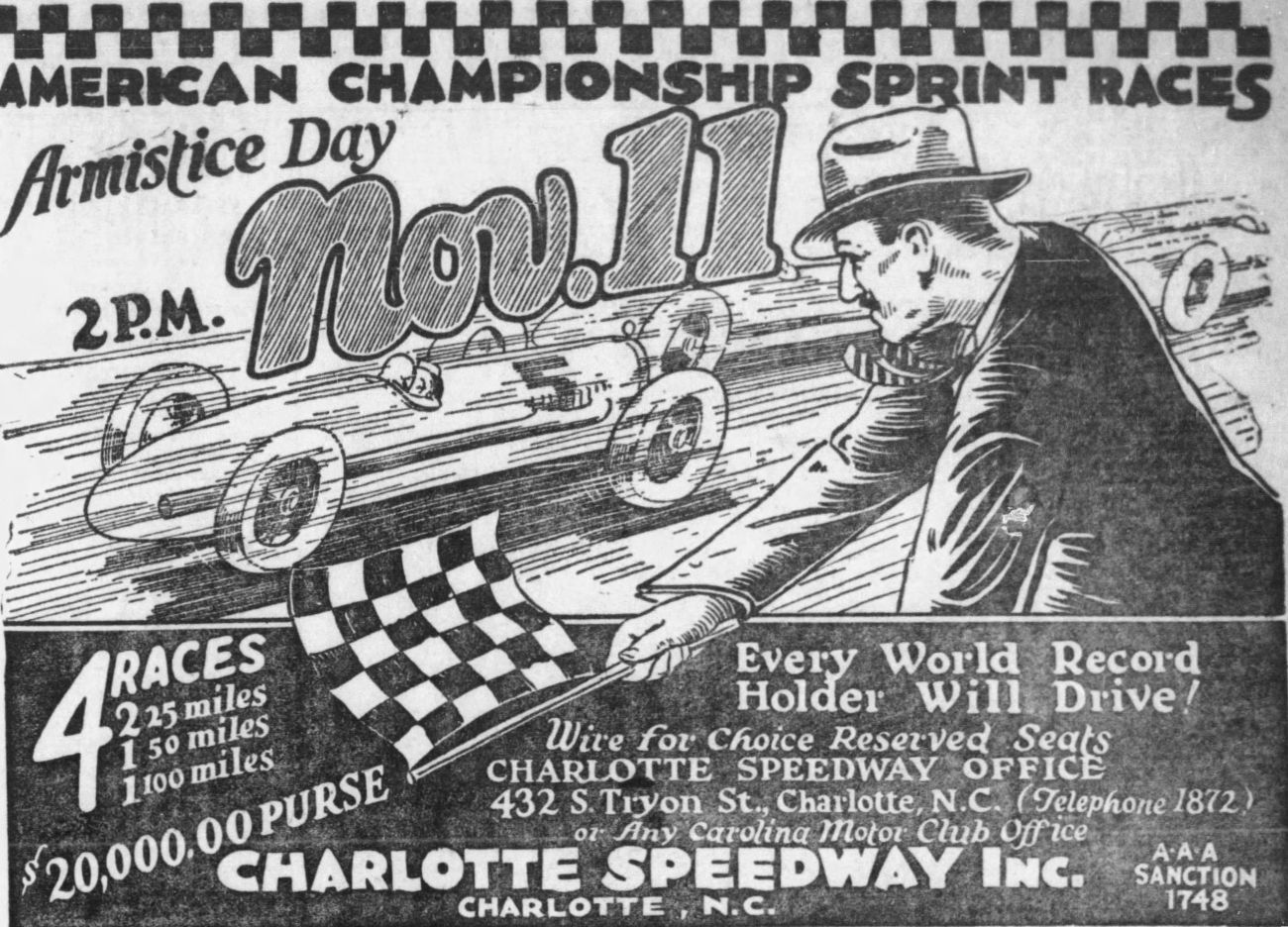
November 9, 1926
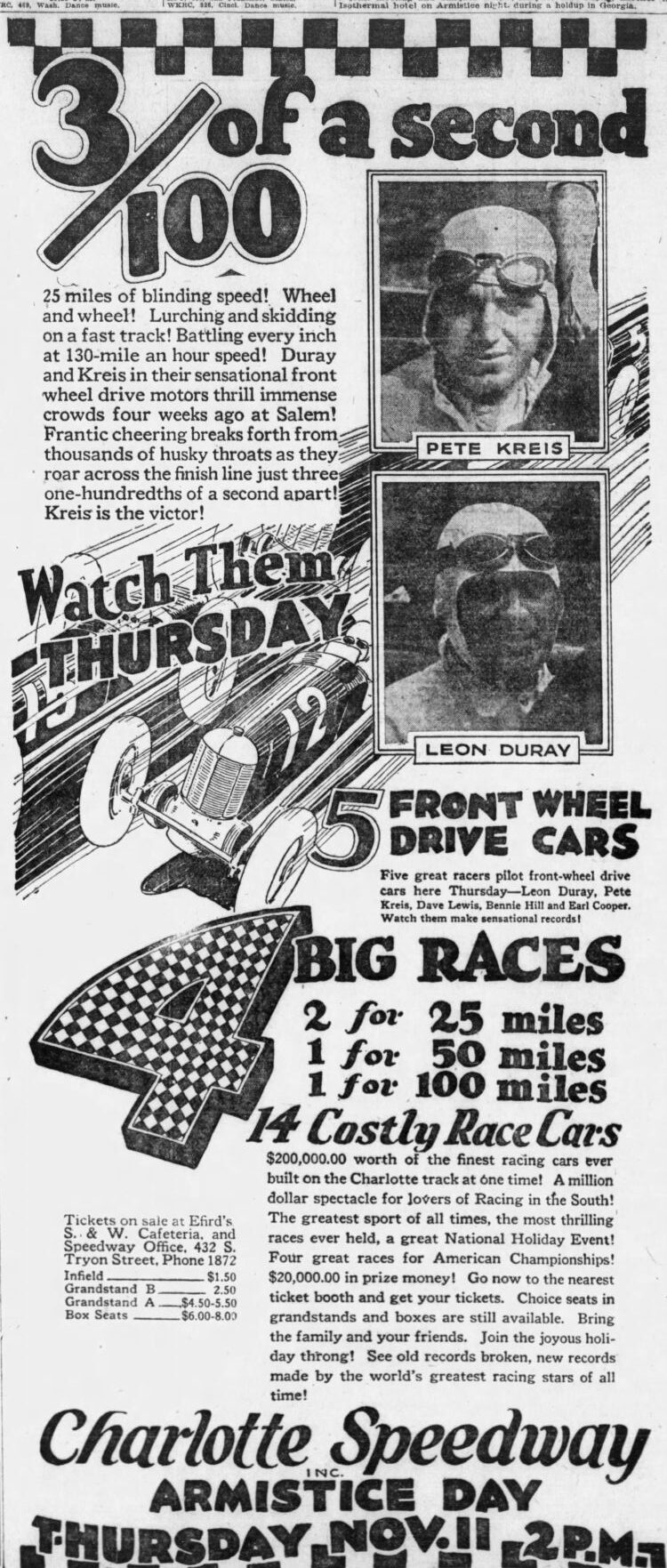
November 10, 1926
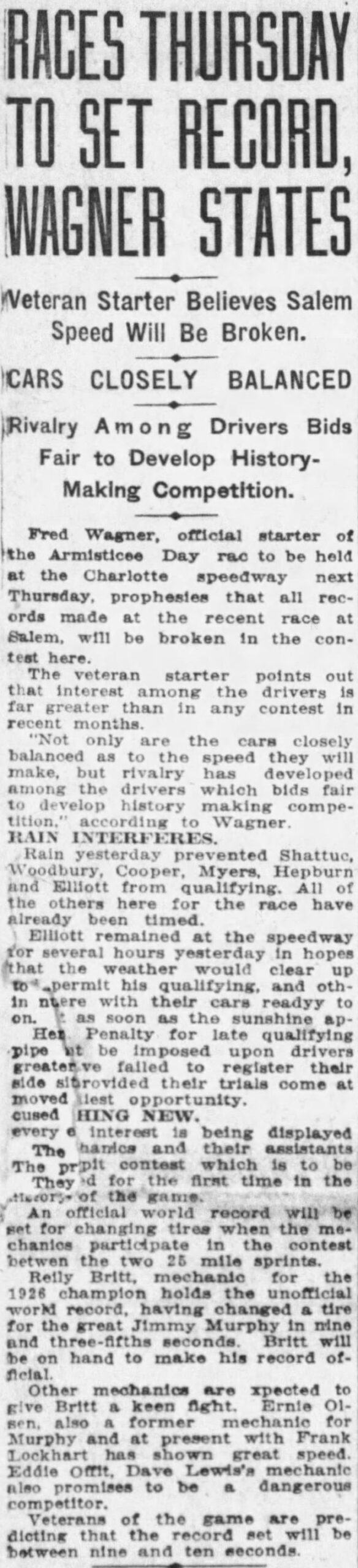
November 12, 1926
November 12, 1926