Author: thecheckeredpast

  • From Rainout to Sledgehammer Showdown: The Wild 1961 Virginia 500 Doubleheader

    From Rainout to Sledgehammer Showdown: The Wild 1961 Virginia 500 Doubleheader

    In the early days of NASCAR’s Grand National Series, weather was also an unpredictable wildcard. Short tracks like Martinsville Speedway — the tight, 0.526-mile paved oval nestled in Virginia’s Blue Ridge foothills — tested drivers’ skill, car setup, and sheer grit more than raw horsepower. In April 1961, the historic venue hosted not one, but two races under the “Virginia 500” banner. The first was cut short by rain; the second became a legendary tale of comeback and old-school determination. Together, they delivered breakthrough moments for future Hall of Famers and highlighted why Martinsville earned its reputation as “The Paperclip.”

    April 9: A Rain-Soaked First Win for “Fast Freddie” Lorenzen

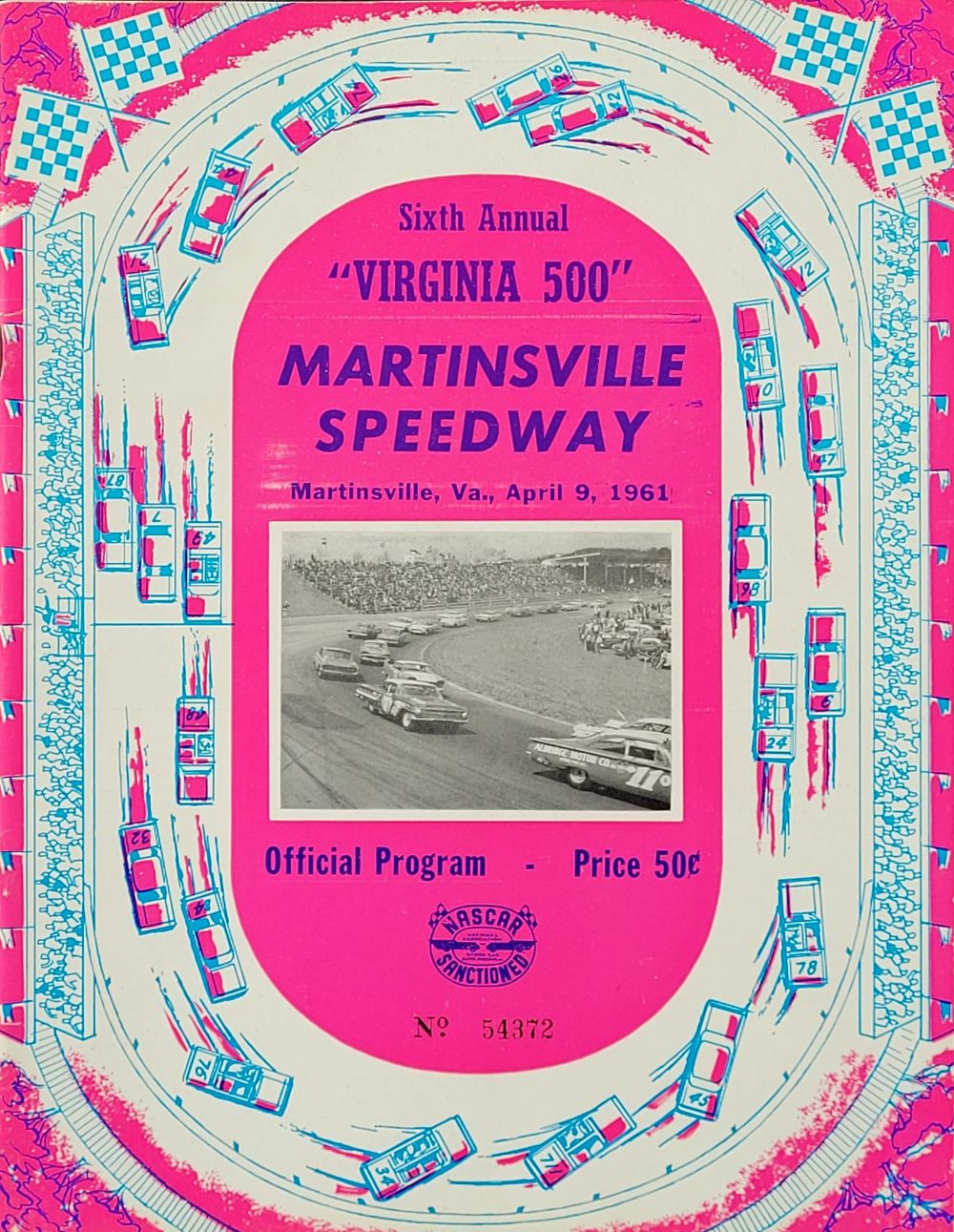
    The season’s 13th race drew 27 entries for the scheduled 500-lap, 250-mile grind. Qualifying put Rex White on the pole in his Chevrolet, with rising star Fred Lorenzen — a former USAC standout nicknamed “Fast Freddie” — starting second in the Holman-Moody #28 Ford.

    From the drop of the green, White dominated, leading the first 118 laps. But on lap 119, Lorenzen made his move. The smooth-handling Ford sliced through traffic and took command for the final 31 laps. Then the skies opened. After just 149 laps (about 75 miles), officials waved the red flag. The race was called official under caution, with an average speed of 68.366 mph. Lorenzen crossed the line first — his maiden NASCAR victory — earning roughly $1,150 and a place in the record books.

    The finishing order read like a Who’s Who of 1960s NASCAR royalty: White second, Glen Wood third in a Wood Brothers Ford, Emanuel Zervakis fourth, Ned Jarrett fifth, and Junior Johnson sixth in a Pontiac. Richard Petty finished eighth, Tim Flock ninth. Several big names — including Buck Baker and Cotton Owens — soldiered on but couldn’t challenge the leaders before the rain ended play.

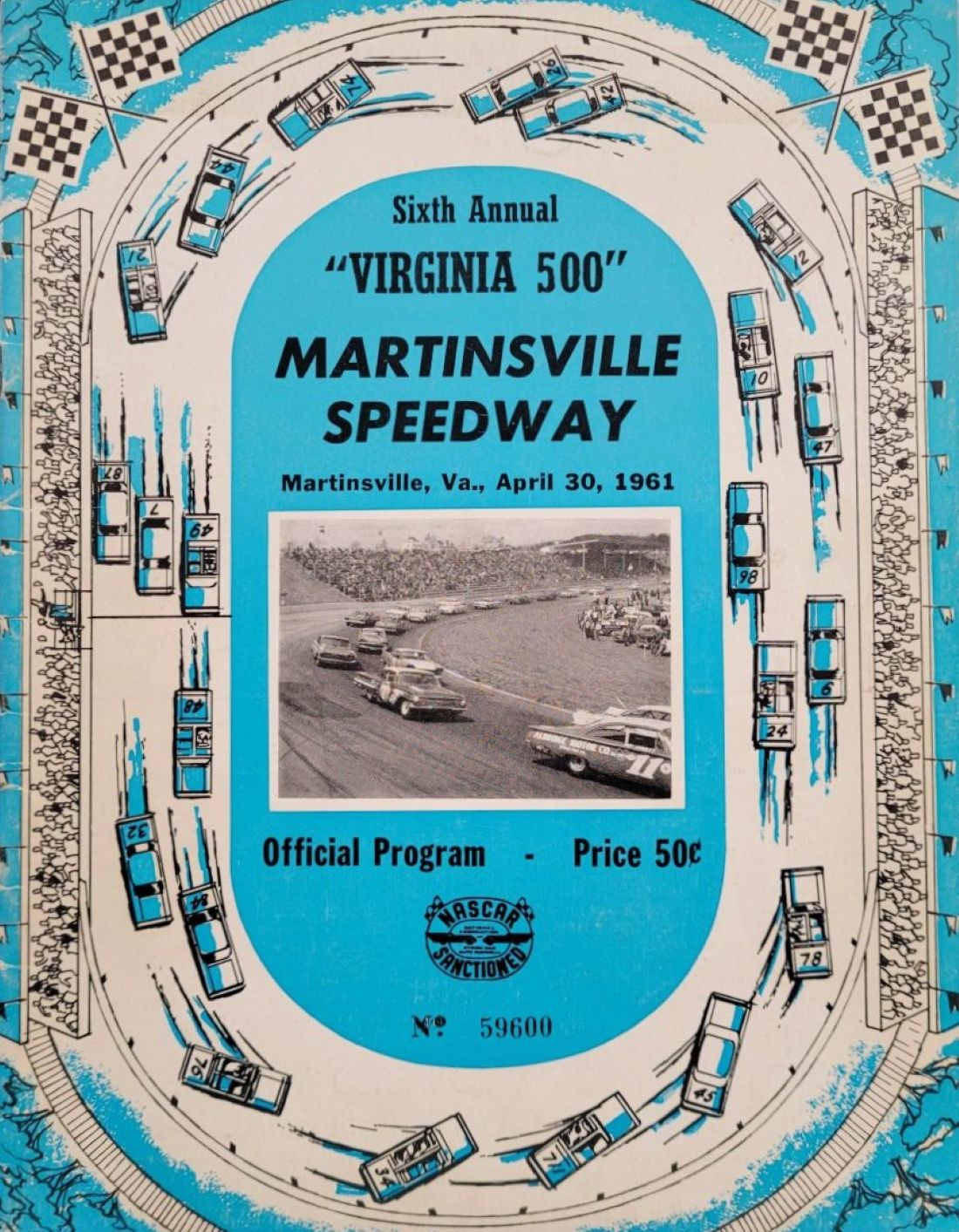
    The April 9th Virginia 500 was called after only 149 of 500 laps due to heavy rain — well short of halfway in terms of distance, though it was ruled official. Because it fell so far short of the advertised 250-mile event, NASCAR made the rare decision to schedule a full makeup race (the “Virginia 500 Sweepstakes”) at the same track three weeks later on April 30. The two races were treated as completely separate events for points and stats.

    This kind of doubleheader at the same venue because of a severely shortened rain race was not standard practice, even in the 1960s. It happened occasionally in NASCAR’s early years when a race was drastically abbreviated and promoters/track owners pushed for a full-distance “make-good” event, but it was the exception rather than the rule.

    April 30: Junior Johnson’s Epic Comeback — and a Sledgehammer Story

    Thirty cars lined up under sunny skies for the rescheduled 500-lapper. Rex White again grabbed the pole, but the early story belonged to Fred Lorenzen. Starting second, the Holman-Moody Ford rocketed to the front on lap 32 and looked unbeatable, leading a commanding 334 laps (from lap 32 through 365).

    Running mid-pack was Junior Johnson in the #27 Pontiac owned by Rex Lovette (founder of Holly Farms poultry). Starting 17th, Johnson — the former North Carolina moonshiner famous for his aggressive, flat-out style — had already earned a reputation as one of the toughest short-track racers. But early in the race he trailed Lorenzen by four full laps.

    Then came the turning point. Lorenzen’s engine began to sour. The Holman-Moody crew made an extended pit stop to nurse the ailing Ford back to life. While Lorenzen sat helplessly on pit road, Johnson poured on the speed. Setting a torrid pace lap after lap, the Pontiac driver erased the deficit in stunning fashion — going from four laps down to four laps ahead. He ultimately led 135 laps and cruised to victory, finishing a staggering four laps ahead of runner-up Emanuel Zervakis. Fireball Roberts took third, Tommy Irwin fourth, Buck Baker fifth, and Ned Jarrett sixth. Lorenzen salvaged only 11th after his mechanical woes. The race averaged 66.278 mph.
    Why Johnson Won: Relentless Pace, Team Tension, and Classic Short-Track Magic

    The victory wasn’t just about speed — it was about Johnson’s refusal to back off when everyone else told him to. This was one of the first NASCAR races to experiment with two-way radios (adapted from Holly Farms’ chicken-truck fleet). Car owner Rex Lovette of Holly Farms and crew chief Fred Johnson (Johnson’s own brother) used the radio to urge Junior to “take it easy” and protect his huge lead. Johnson simply turned the radio off and ignored the pit-board messages that read “E-Z” (for ease off).

    As he later explained, backing down would upset the Pontiac’s handling on Martinsville’s tight corners. He ran the car “just as fast as it would go” — the same wide-open style he used outrunning revenuers on mountain roads. Lovette grew so frustrated he once grabbed a sledgehammer during a pit stop, jokingly (or not) threatening “great bodily harm.” Johnson just grinned, gave a thumbs-up, and kept hammering the throttle. He crossed the finish line four laps ahead, turning a potential disaster into one of his most memorable wins.
    The 1961 season was already shaping up as a changing of the guard. Lorenzen’s rain-shortened triumph at Martinsville was his first of what would become 26 career victories; he followed it with another win at Darlington the next week. Johnson, already a short-track terror, would notch seven wins that year and go on to 50 as a driver before becoming one of NASCAR’s most successful team owners (six championships). Richard Petty, still early in his career, finished respectably in both April races but was learning the lessons that would make him “The King.”

    These two April Sundays at Martinsville captured everything fans loved about 1960s NASCAR: unpredictable weather, mechanical heartbreak, fearless driving, and larger-than-life personalities. The rain gave Lorenzen his breakthrough; the makeup race gave Johnson a story for the ages. More than six decades later, the Paperclip still delivers that same brand of short-track magic — but few weekends have ever matched the drama of those two rain-soaked, redemptive Virginia 500s.

  • Roaring Twenties Racing Royalty in the 1926 Spalding Champions Set

    Roaring Twenties Racing Royalty in the 1926 Spalding Champions Set

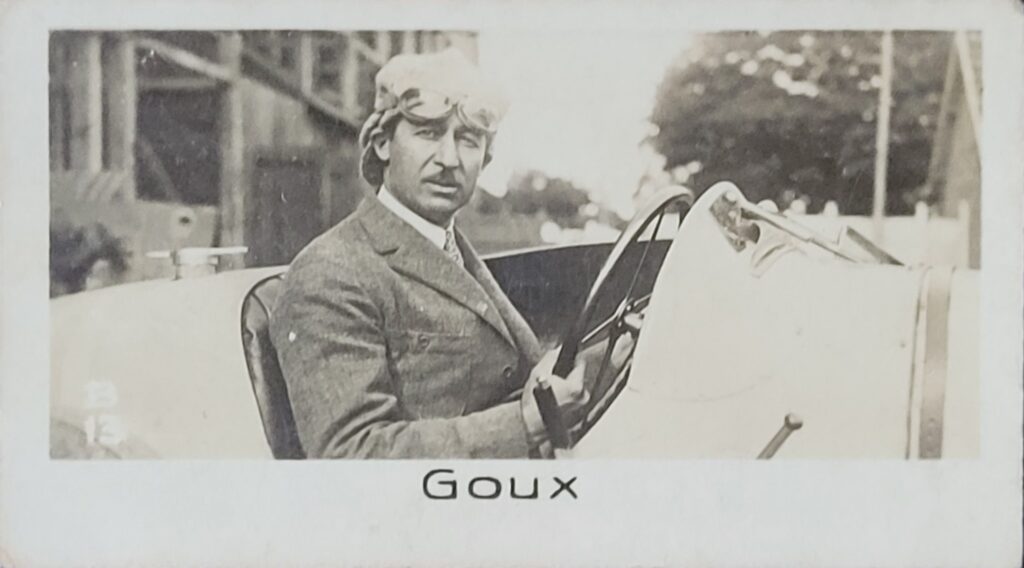
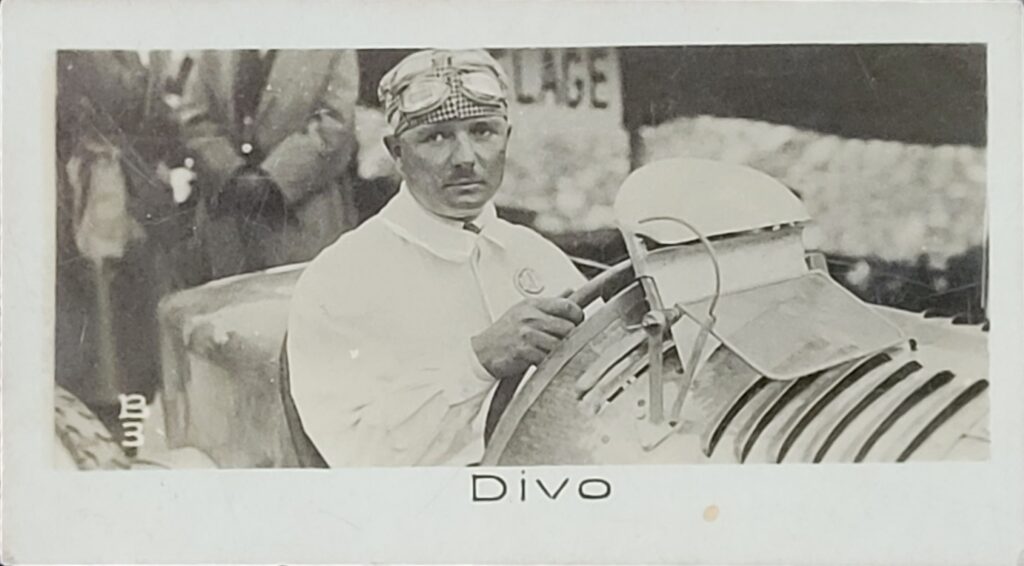
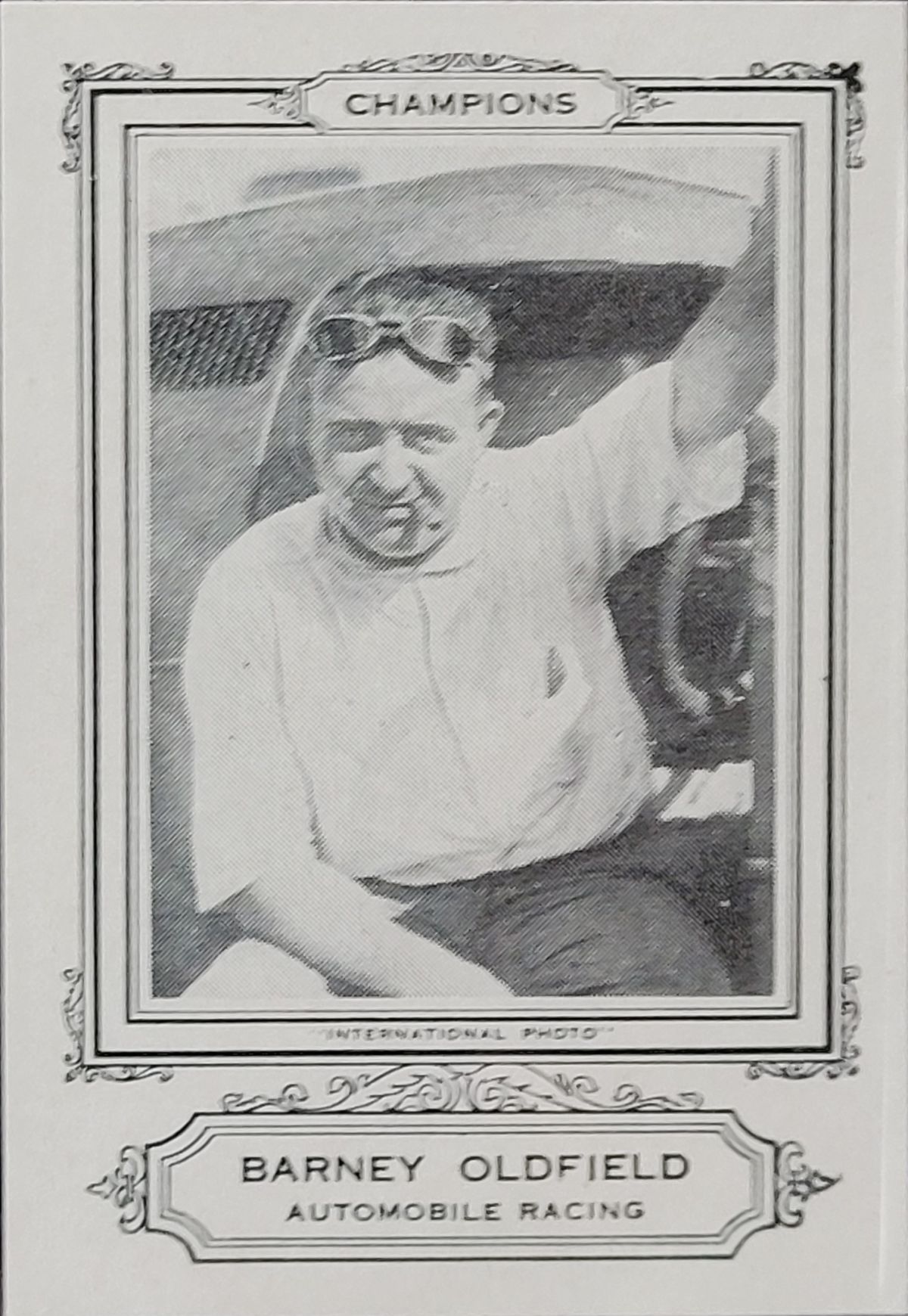
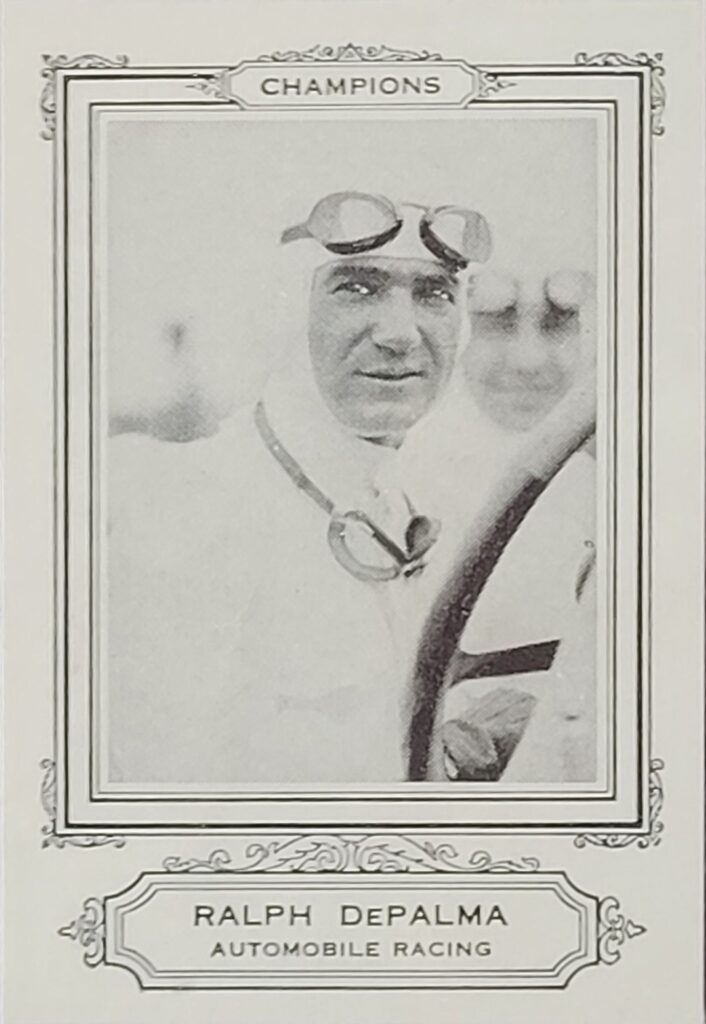
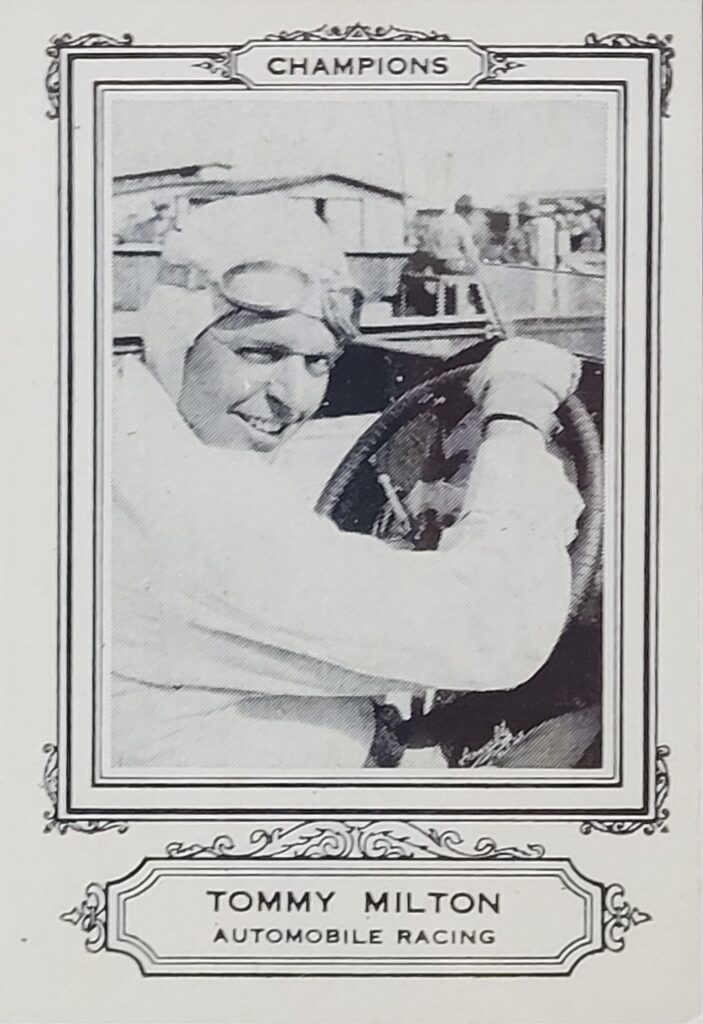
    The 1926 Spalding Champions set (also known as the Sports Company of America issue) remains one of the most ambitious and visually captivating multi-sport card releases from the pre-war era. Produced by the San Francisco-based Sports Company of America—with connections to the A.G. Spalding & Bros. sporting goods powerhouse—this set includes around 210 known cards celebrating athletes from an impressive range of disciplines from baseball to billiards. The 1926 Spalding Champions set includes eight dedicated cards highlighting the era’s top automobile racing stars who dominated the Indianapolis 500, board tracks, and AAA circuits during the Roaring Twenties.


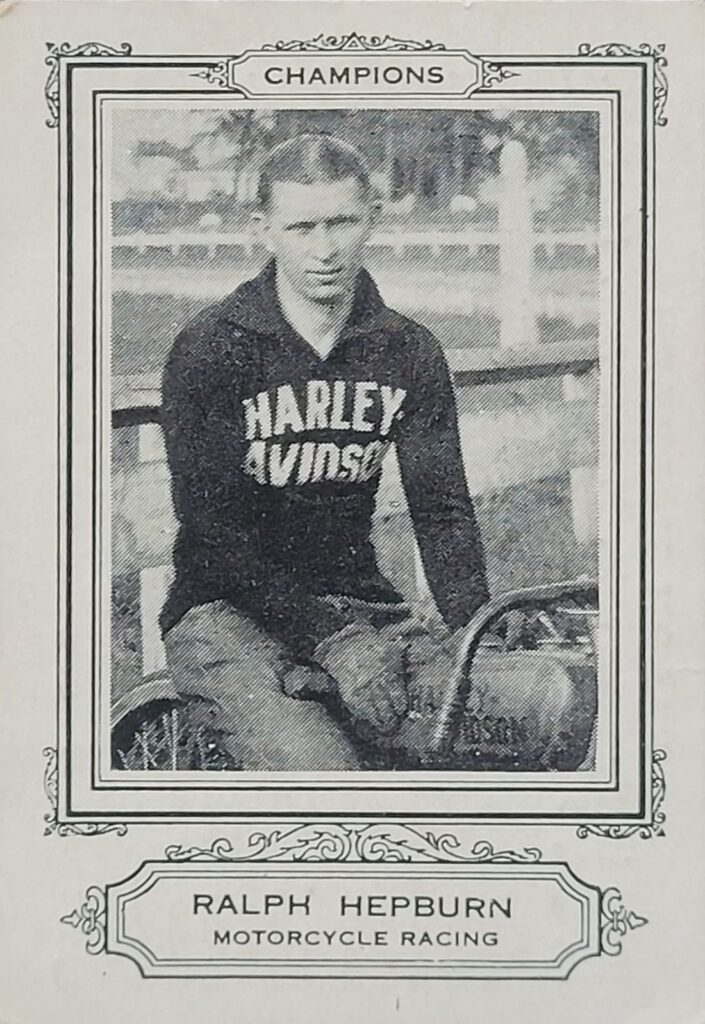
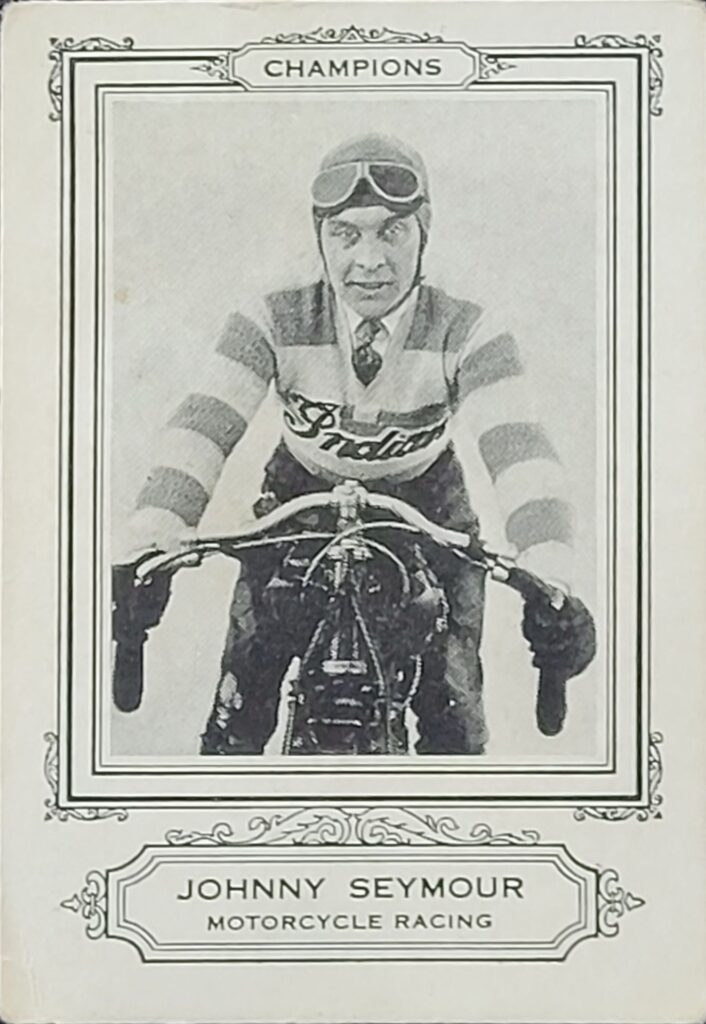
    The cards measure approximately 38 mm by 56 mm (1-1/2″ by 2-3/16″), featuring thin, translucent stock printed via halftone process. The fronts showcase elegant black-and-white posed photos of the athletes, framed in ornate Art Deco borders. “CHAMPION” crowns the top, with the subject’s name and sport in a decorative rectangle below—giving the cards a sophisticated, almost artistic collectible appeal that stands out from typical 1920s issues.

    Distribution and the Album Promotion

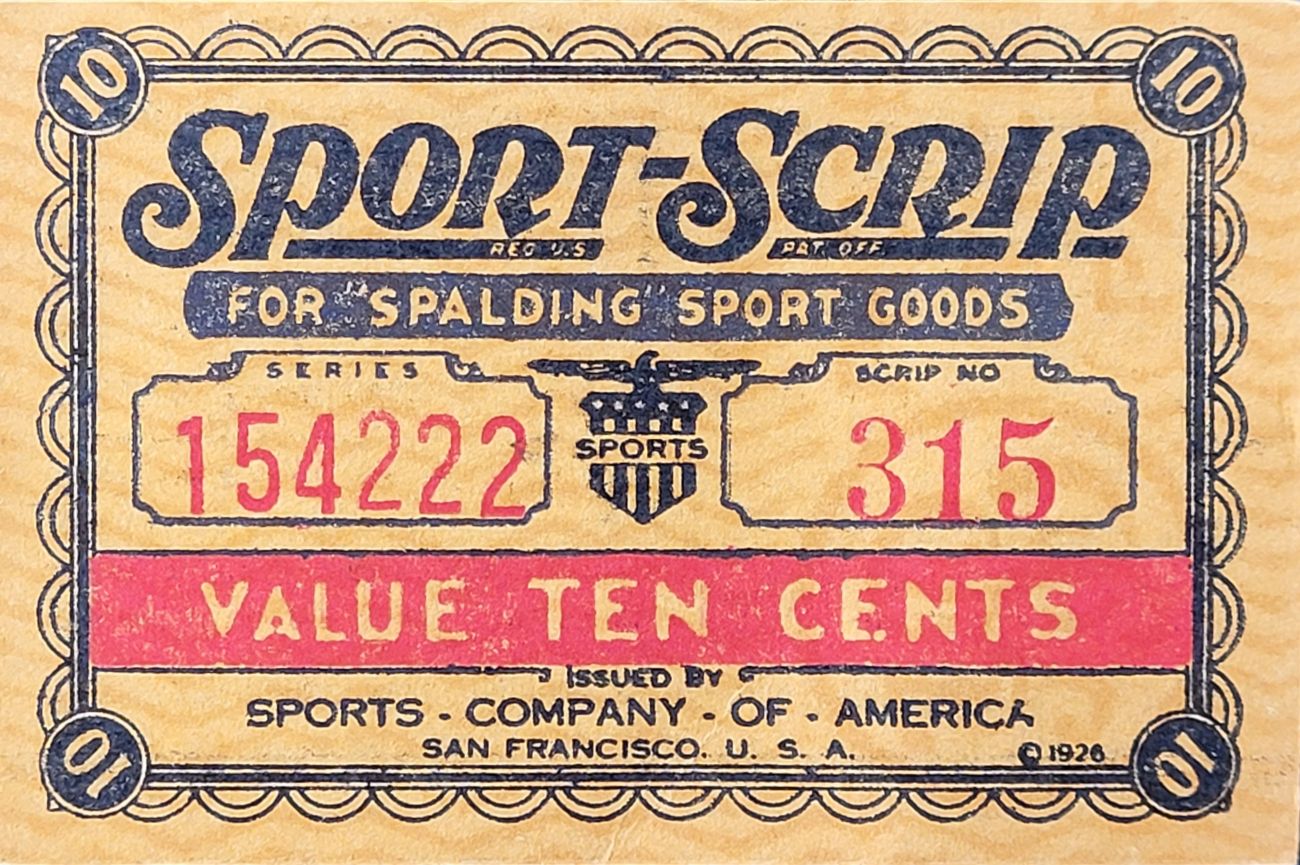
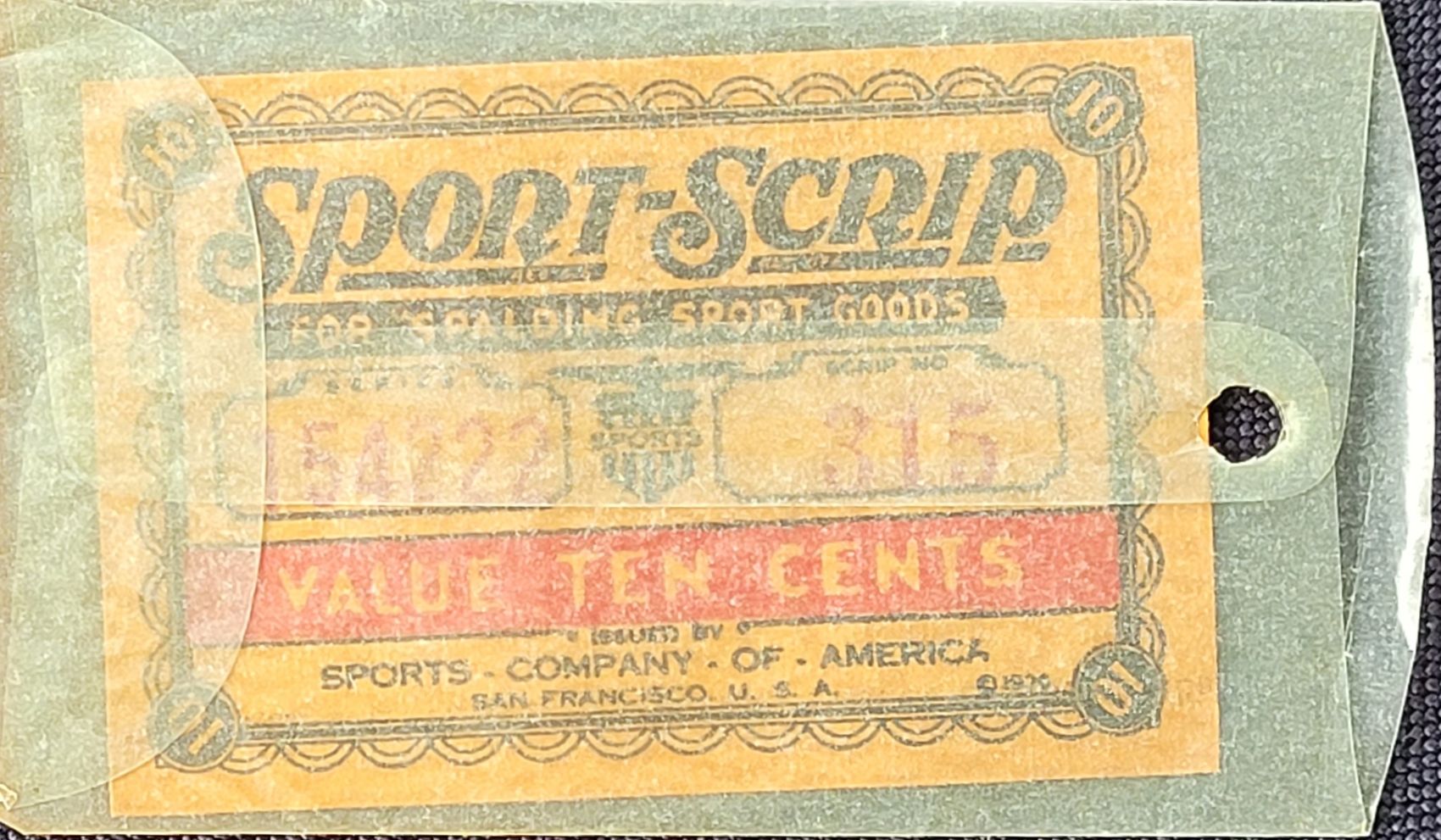
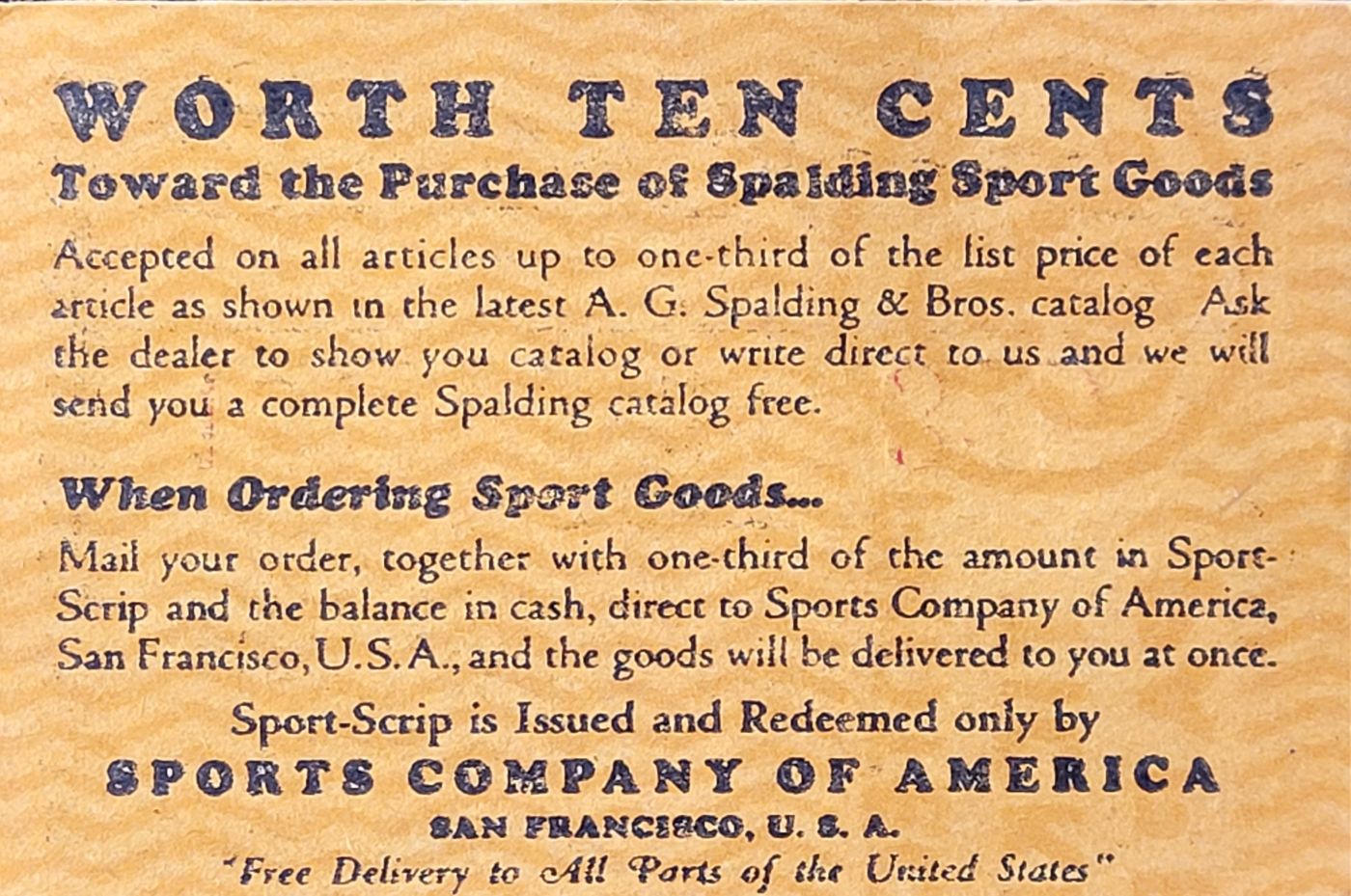
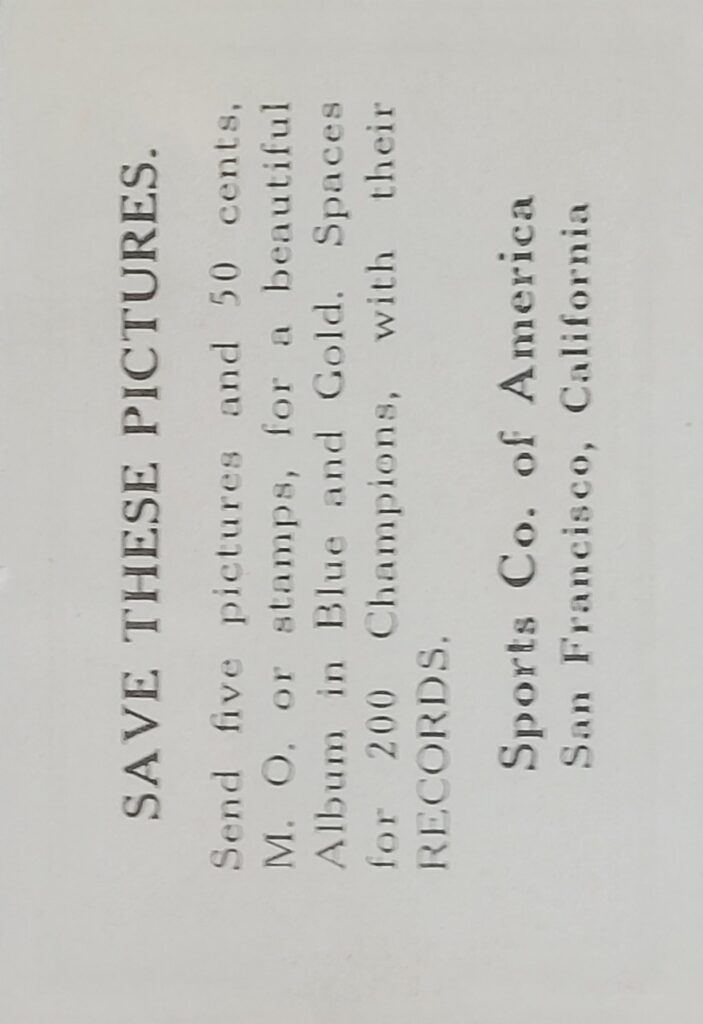
    Cards came in small glassine envelopes, each including a “Sport-Scrip” coupon redeemable for 10 cents off Spalding sporting goods. A special offer on certain backs allowed collectors to mail in five cards plus 50 cents (via money order or stamps) to receive a handsome blue-and-gold album designed to house all 200 cards (though roughly 210 are now cataloged). No original albums have appeared at major auctions, heightening the set’s allure.


    The Different Backs: Rarity Variations

    The backs are a major draw for collectors, with four primary types:

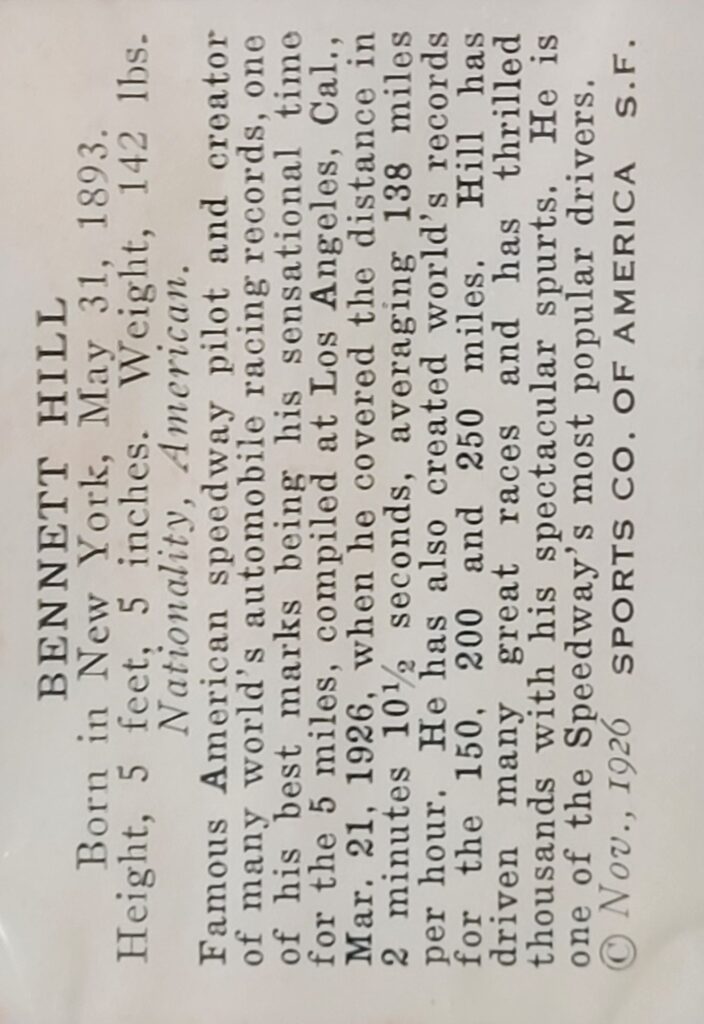
    • Biography (Text/Stat) Backs — The most common, featuring a short bio or stats of the athlete. A notable detail: some carry a 1926 copyright date at the bottom, while others are dated 1927. The 1927 versions are scarcer and likely represent later print runs or set expansions. For example, key cards like Babe Ruth appear with both dates.
    • Advertising Backs — Scarce promotional reverses touting the “Sports Co. of America” and album-order instructions.
    • Blank Backs — The rarest, possibly hand-cut proofs or test prints.


    These back variations—especially the dual 1926/1927 copyrights on bio backs—make assembling a master set a serious pursuit.

    Subjects and Auto Racing Connections

    The set’s diversity shines through its baseball cards (including stars like Babe Ruth, Ty Cobb, and Rogers Hornsby), football cards (with pre-rookie Hall of Famers Bennie Friedman and Ernie Nevers), boxing icons Jack Dempsey and Gene Tunney, golfers Walter Hagen and Gene Sarazen, tennis great Bill Tilden, and swimmer Johnny Weissmuller.

    The eight automobile racing cards in the 1926 Spalding Champions set feature the following drivers:

    • Earl Cooper — A pioneering American racer who won three AAA National Championships (1913, 1915, 1917) and achieved a best finish of second at the 1924 Indianapolis 500, earning the nickname “the Clutch King” for his reliability in early dirt-track and board-track eras.
    • Ralph DePalma — An Italian-American legend who dominated early American racing with the 1915 Indianapolis 500 victory (after famously pushing his car across the line in 1912), multiple Vanderbilt Cup wins, AAA National Championships in 1912 and 1914, and over 2,500 career victories claimed across various events.
    • Pete DePaolo — Nephew of Ralph DePalma, he won the 1925 Indianapolis 500 at a record average speed, captured AAA National Championships in 1925 and 1927, and was a top Duesenberg and Miller team driver in the 1920s.
    • Harry Hartz — A versatile racer who finished second in the 1922, 1923, and 1926 Indianapolis 500s, won the 1926 AAA National Championship with seven board-track victories throughout his career, and later became a successful car owner and race promoter after a 1927 crash ended his driving days.
    • Benny Hill — An American board-track and dirt-track specialist (full name Bennett Hill) who secured six AAA-sanctioned victories in the 1920s (including Culver City in 1924), competed in eight Indianapolis 500s with a best finish of third in 1925, and broke multiple speed records during his active years from the early 1920s to 1934.
    • Bob McDonogh — A prominent 1920s board-track era driver who competed in over 40 AAA Championship races from 1924 to 1932 (including six Indianapolis 500 starts with a best of seventh in 1926), secured three wins in 1925, and notched multiple podiums and poles before his career ended.
    • Tommy Milton — The first two-time Indianapolis 500 winner (1921 and 1923), he captured the 1921 AAA National Championship, amassed 23 AAA championship race wins from 1917–1925 (dominating board tracks and dirt events in the early 1920s), and retired from driving after his final race, the Fulford 300 in February 1926, partly due to vision issues from a prior crash.
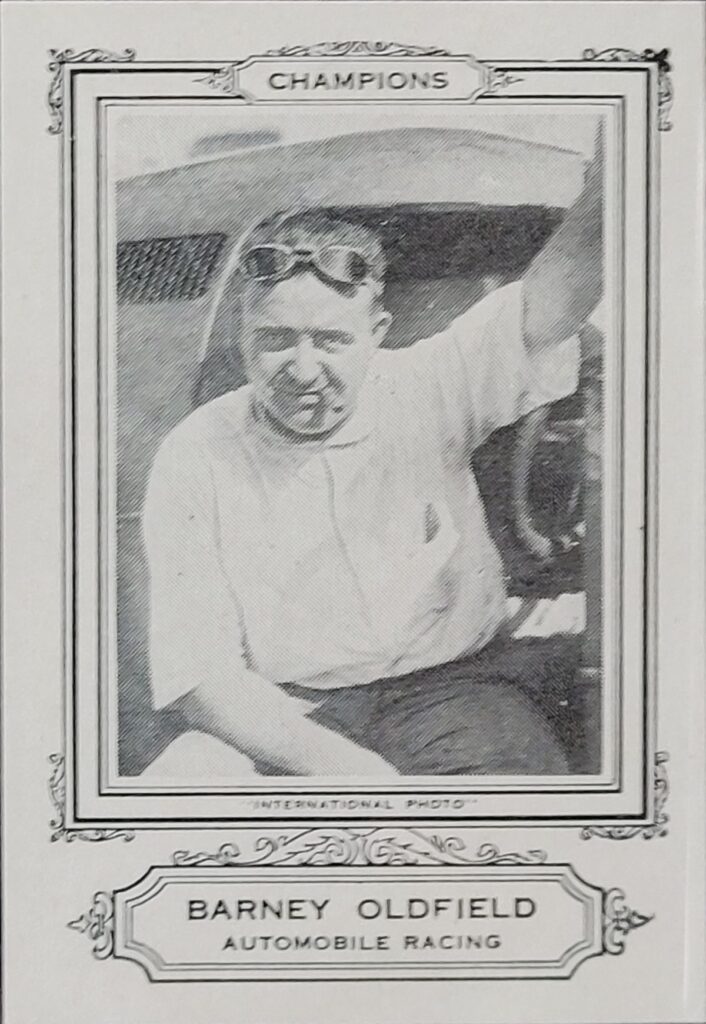
    • Barney Oldfield — A pioneering speed king famous for setting early land speed records, being the first to exceed 100 mph on a track (1910), and popularizing auto racing through barnstorming exhibitions after his competitive peak in the 1900s and early 1910s.

    Additionally, the set highlights two motorcycle racing stars—Johnny Seymour and Ralph Hepburn—who later crossed over to prominent auto racing careers: Seymour became a six-time Indianapolis 500 starter (1928–1936) with success on dirt tracks, while Hepburn emerged as a respected Indy 500 competitor and board-track specialist in the late 1920s and 1930s. These cards capture a transitional era when top motorcycle talents crossed over to the growing world of automobile speedways—making them especially relevant for auto racing enthusiasts exploring the roots of the sport.


    Rarity and Modern Collecting

    The set stayed obscure until major high-grade finds in 1990 and 1996. PSA has graded about 1,200–1,300 examples, many EX-MT or better thanks to the high-grade finds. Ad and blank backs are tough; high-grade Ruth ad backs are near-mythical. Values span hundreds to tens of thousands, depending on subject, back type, and condition.

    For auto racing fans, the 1926 Spalding Champions set offers more than just vintage cardstock—these cards capture the thrilling early days of American auto racing, from the Indianapolis 500 to board tracks and dirt ovals, providing a direct window into the Roaring Twenties motorsports scene. The elegant 1926 Spalding Champions remain a scarce and highly prized cornerstone, blending historical significance with timeless Art Deco design.

    The front and back of the 1926 Spalding Champions auto racing cards can be viewed at the link below.

    1926 Spalding Champions

  • STP Red, Petty Blue, and Rare: The 1972 STP Cards That Started It All

    STP Red, Petty Blue, and Rare: The 1972 STP Cards That Started It All

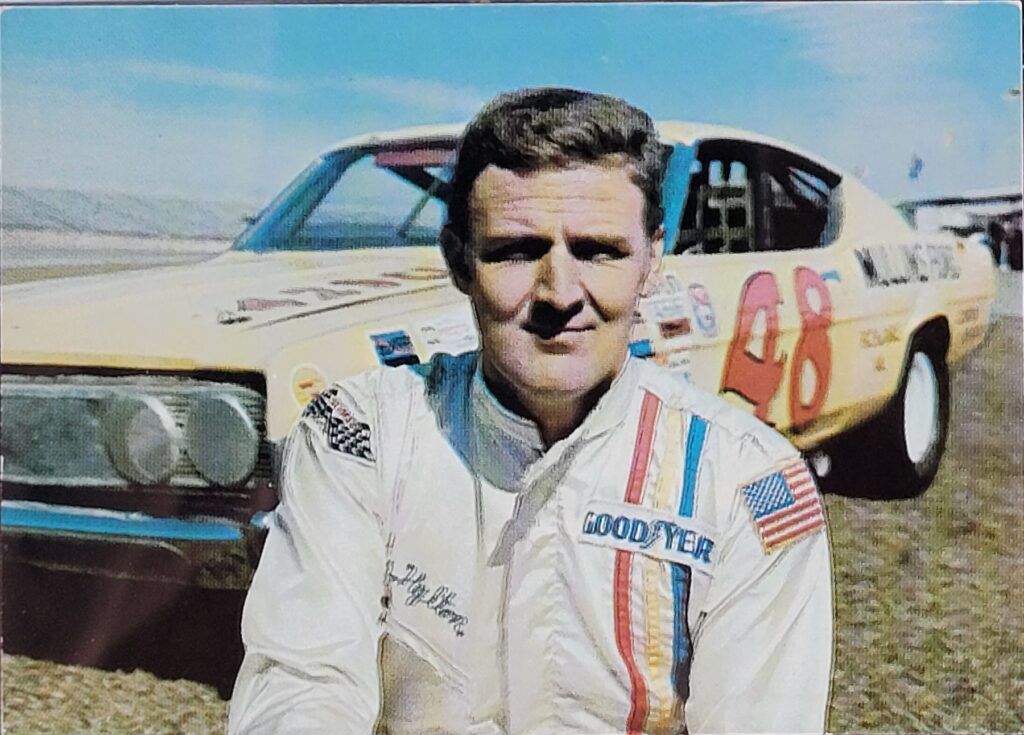
    The 1972 STP NASCAR card set is widely recognized as the first standard 2½″ × 3½″ trading card issue devoted entirely to NASCAR drivers. Distributed as a promotional giveaway by STP during the 1972 season — most notably during Daytona Speedweeks — the set represents a true starting point for modern NASCAR card collecting and captures a pivotal moment in the sport’s commercial evolution.

    Unlike earlier oversized postcards or regional premiums, the STP cards adopted the now‑familiar trading card dimensions. That choice allowed NASCAR drivers to fit seamlessly alongside mainstream baseball and football cards in collectors’ albums. For hobbyists, this release marks the moment stock car racing fully entered the traditional trading card marketplace.

    The cards were printed on relatively thin stock, typical of promotional issues rather than retail-packaged products. They were handed out as part of STP’s trackside marketing efforts — primarily during Speedweeks at Daytona International Speedway — and while Daytona appears to have been the main distribution point, limited numbers may also have been distributed at other races later in the season. Because these cards were given away rather than sold, many examples show handling wear, soft corners, or light surface flaws, and high-grade specimens remain difficult to assemble decades later.

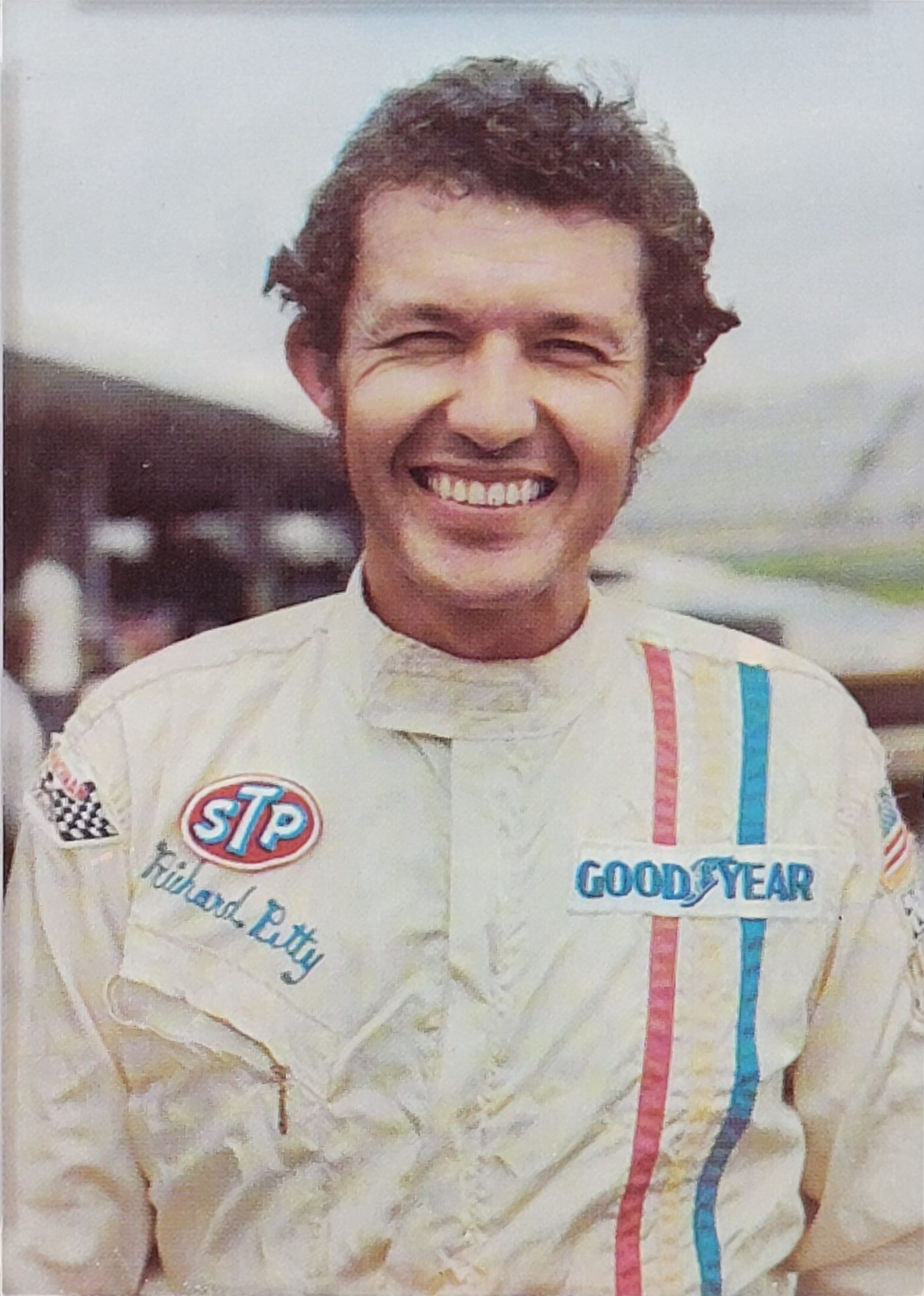
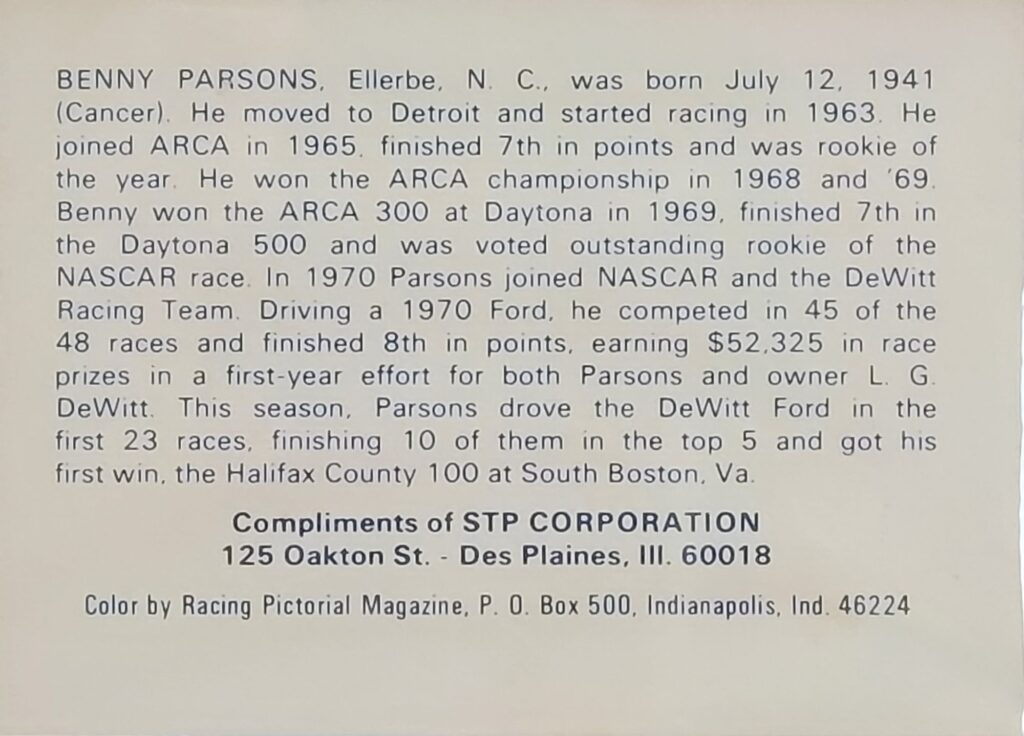
    Visually, the design is clean and direct. Each front features a full-color, full-bleed photograph with no borders or numbering. The focus is entirely on the driver image — typically posed portraits in uniform or standing next to their cars. The photography reflects a professional polish thanks to Racing Pictorial Magazine, credited on the reverse with “Color by Racing Pictorial Magazine….” At the time, Racing Pictorial was widely respected for vivid, high-quality racing coverage, and that standard is evident throughout the set. The backs are printed in blue ink and include the driver’s name, hometown, birthdate, Zodiac sign, and a concise career biography summarizing accomplishments through the early portion of the 1971 season. The reverse also reads, “Compliments of STP Corporation – 125 Oakton St. – Des Plaines, Ill. 60018.” The cards are unnumbered, emphasizing their identity as a promotional issue rather than a structured retail set.

    The complete run consists of 11 cards representing 10 drivers, with one variation. The checklist includes:

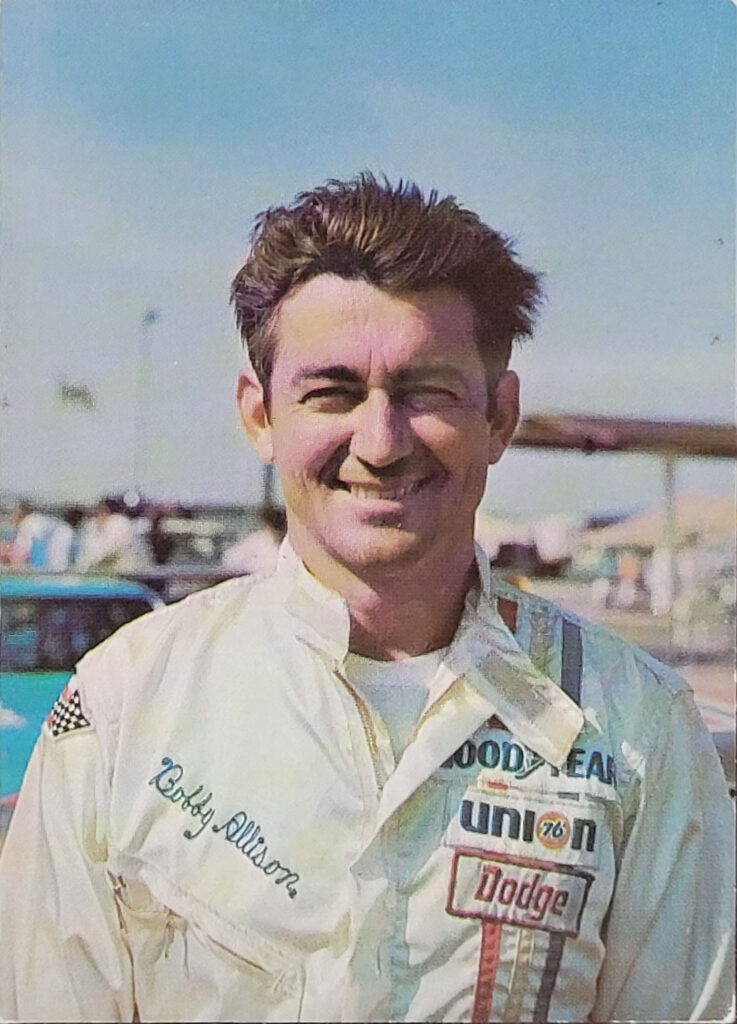
    • Bobby Allison
    • Buddy Baker
    • Dick Brooks
    • Charlie Glotzbach
    • James Hylton
    • Elmo Langley
    • Fred Lorenzen (Portrait)
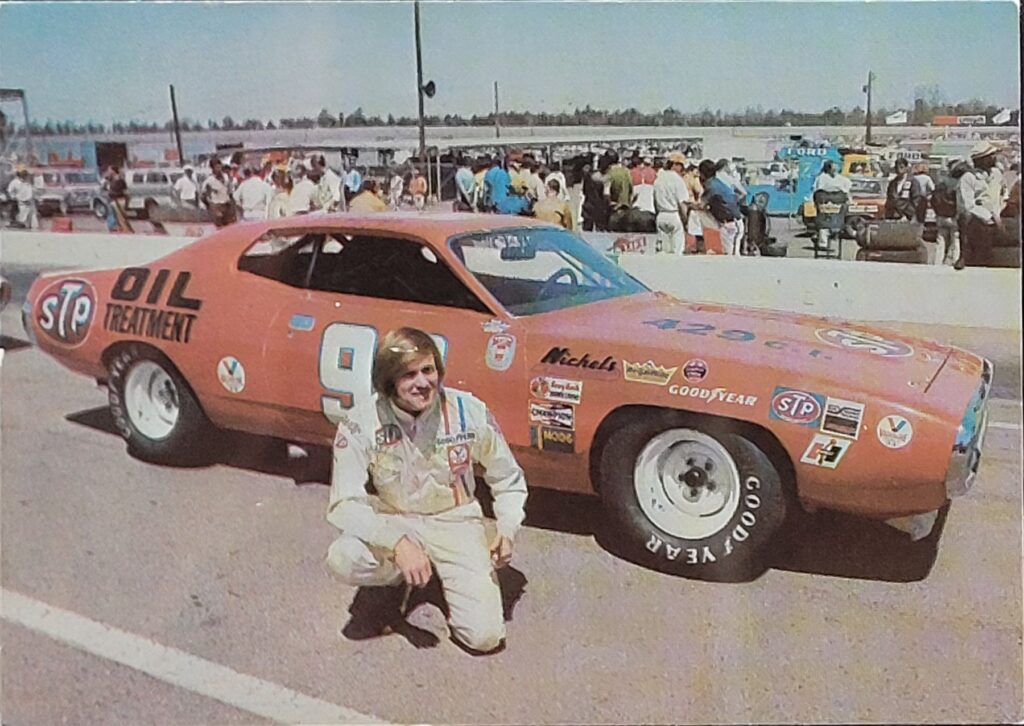
    • Fred Lorenzen (With Car)
    • Dave Marcis
    • Benny Parsons
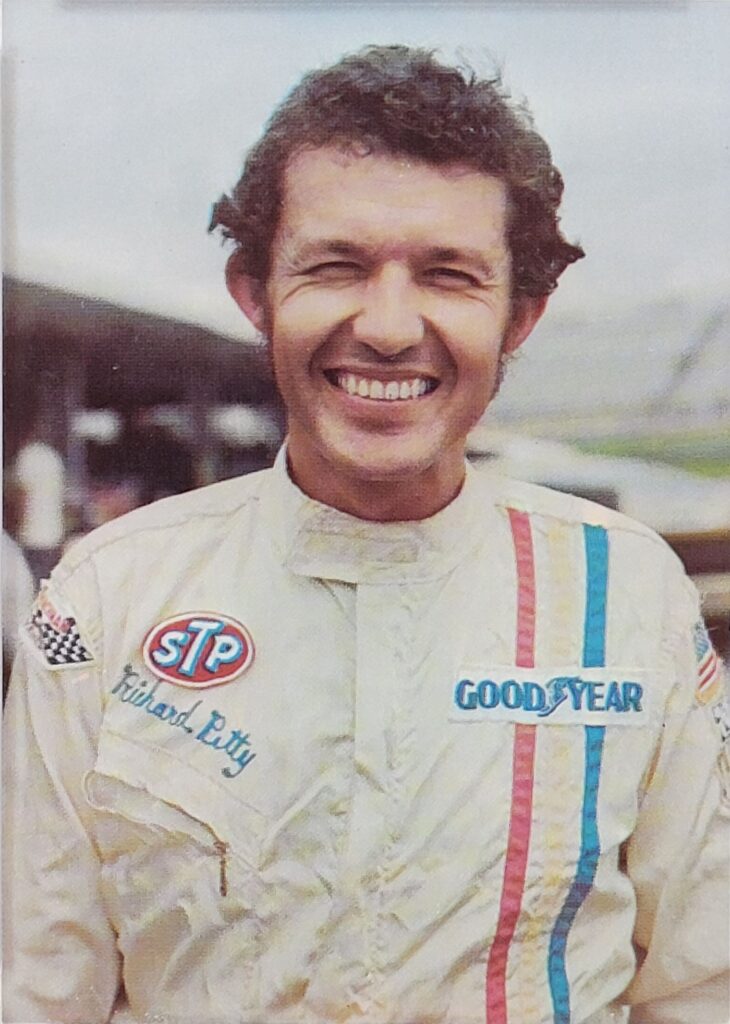
    • Richard Petty

    The driver selection reflects a deliberate marketing approach. Established stars such as Richard Petty and Bobby Allison provided headline appeal. Contenders like Buddy Baker and Benny Parsons represented emerging championship threats, while veterans such as James Hylton and Elmo Langley reflected the independent spirit still central to NASCAR at the time. Fred Lorenzen, one of the sport’s most recognizable figures of the 1960s, added national recognition and crossover popularity.

    The Significance of Richard Petty and STP Sponsorship

    1972 was a landmark year for NASCAR’s corporate marketing. STP officially began sponsoring Richard Petty, creating a high-profile partnership that tied the driver, the team, and the brand to a national promotion of stock car racing. This sponsorship coincided with Winston’s title sponsorship and NASCAR’s modernization: the sanctioning body condensed the schedule, emphasized higher-profile events, and sought to attract more television coverage. Petty’s presence on the STP card, combined with the company’s active marketing effort, mirrored NASCAR’s evolution into a professionally branded, nationally recognized sport. For collectors, the Petty card not only serves as the centerpiece of the set but also symbolizes the commercial and cultural shift in NASCAR during the early 1970s.

    Scarce Cards: Lorenzen and Allison

    Two distinct Fred Lorenzen cards exist: a standard portrait and a second version showing him with his car. The “with car” variation is one of the rarest pieces in racing card collecting — PSA has graded only four examples. Its scarcity is often attributed to Lorenzen’s absence from the 1972 Daytona 500 and his limited racing schedule that year, which likely meant fewer cards were distributed at Speedweeks and other promotional appearances.


    The Bobby Allison card is also exceptionally scarce in graded form, with only eight examples graded by PSA. Many other cards from the issue have similarly low populations, with none exceeding 23 PSA-graded examples, underscoring the set’s rarity and collectible appeal.

    More than fifty years later, the 1972 STP NASCAR set remains historically significant. Its standard size, professional photography from Racing Pictorial, concise biographical backs, selective checklist, and identifiable scarce variations combine to capture a snapshot of NASCAR at the dawn of its modern era. For collectors of vintage motorsports memorabilia, it is not merely a promotional giveaway — it is a cornerstone of NASCAR card collecting and a tangible reflection of the sport’s emerging national profile, amplified by Petty’s new STP sponsorship and the sport’s evolving schedule of higher-profile, nationally promoted events.

    1972 STP NASCAR Trading Cards

  • From Cigarette Packs to the Race Track: The Racing Heart of the 1910 T37 Turkey Red Set

    From Cigarette Packs to the Race Track: The Racing Heart of the 1910 T37 Turkey Red Set

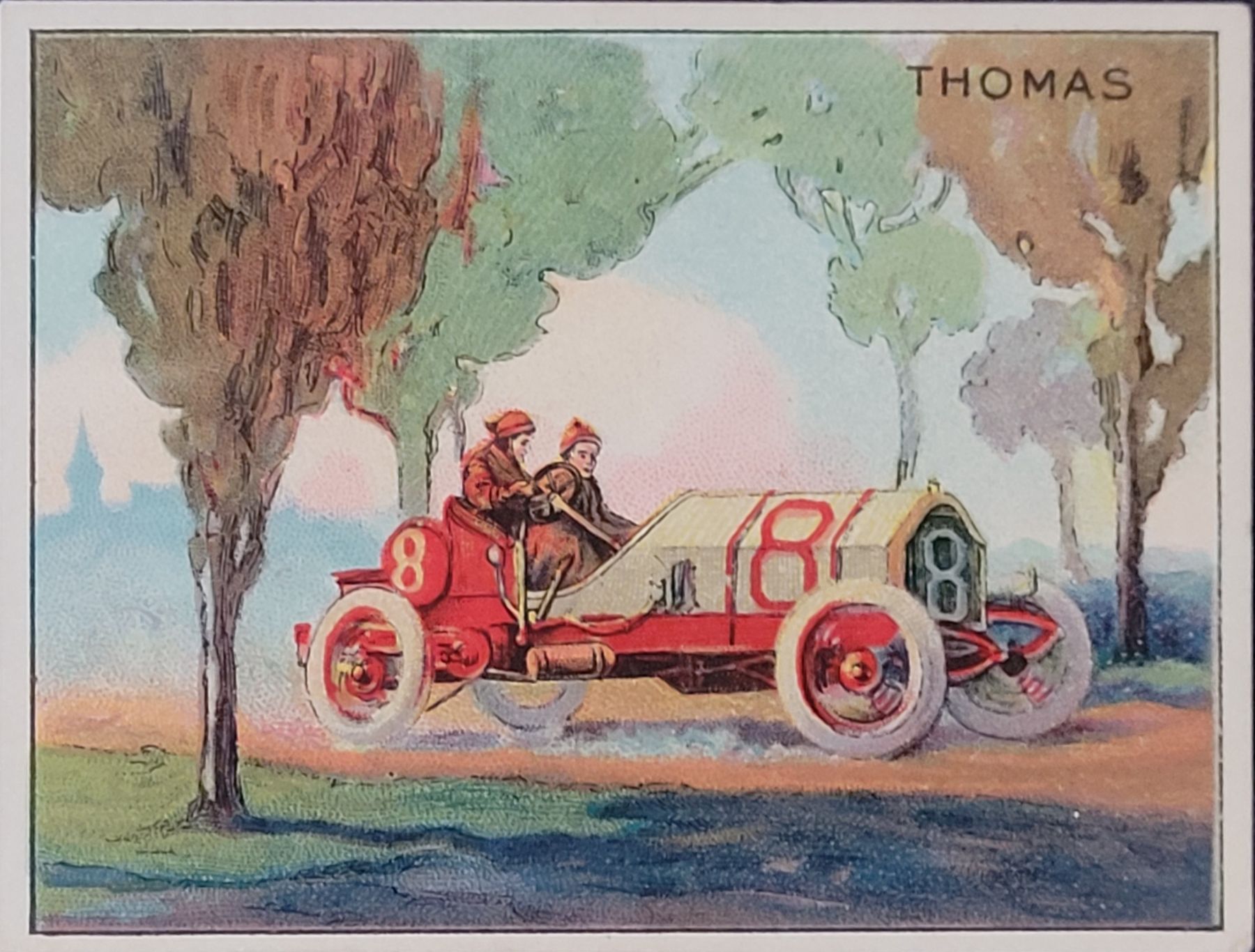
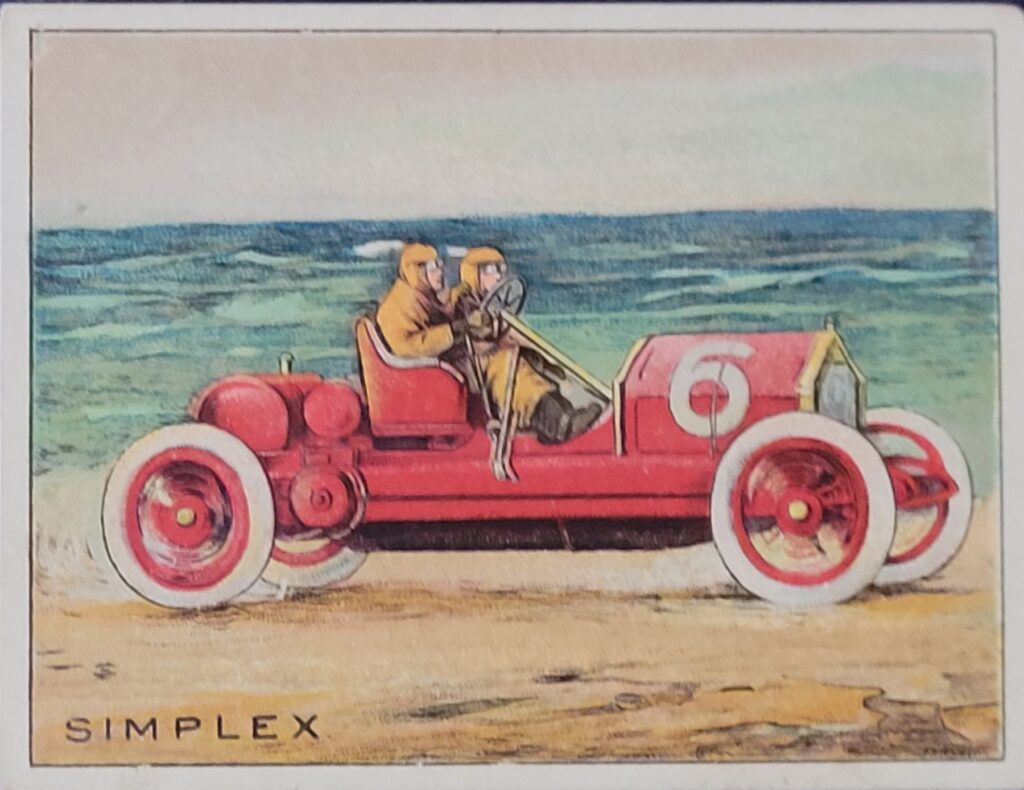
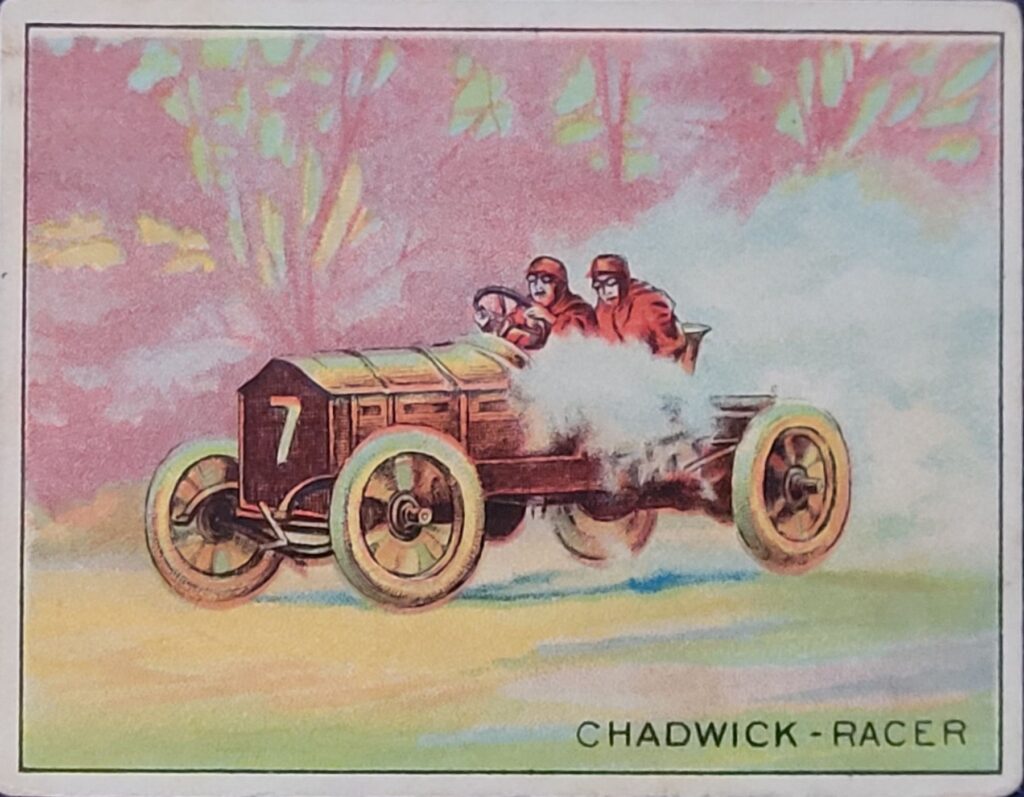
    The T37 Automobile Series was issued around 1910–1911 by the American Tobacco Company with Turkey Red Turkish Cigarettes. The set stands as one of the earliest and most iconic dedicated automobile trading card sets, capturing the automobile’s rapid rise from novelty to cultural phenomenon. With 50 small, unnumbered cards (about 67mm x 51mm), the fronts deliver vivid, hand-colored illustrations of early cars in dynamic outdoor scenes—often speeding along dusty roads or scenic paths—with the bold red “Turkey Red” branding and a full set checklist on the backs. Distributed one card per ten-cigarette pack, these became everyday pocket treasures for smokers and now rank among the most sought-after pre-war non-sport issues.

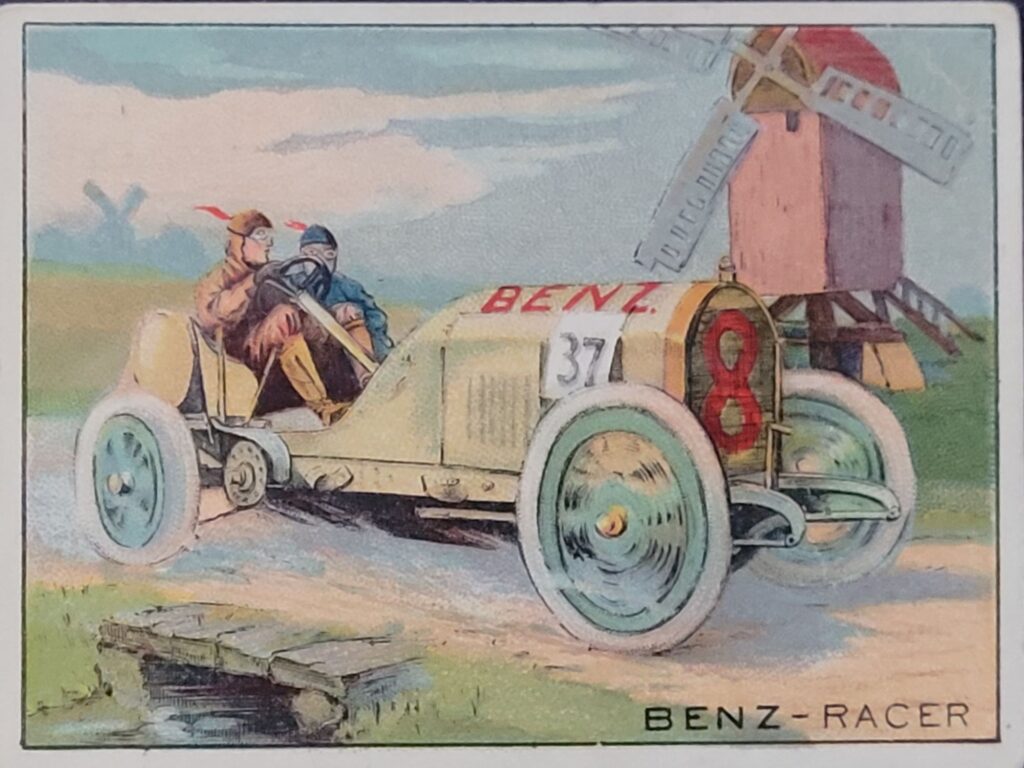
    While many cards show production touring cars, family runabouts, electrics, and luxury models (think Ford, Cadillac, Renault, and Maxwell), the set’s true thrill for racing enthusiasts lies in its celebration of early motorsport. About a dozen cards explicitly label their subjects as Racer—including the Acme Racer, Benz-Racer (depicting the famed Blitzen Benz land-speed record holder), and Fiat-Racer. These portray stripped-down, high-performance machines built for speed, often with aggressive, low profiles that scream competition.

    The artwork remains a highlight: artists rendered these cars with dramatic flair—scarves flying, goggles glinting—evoking the daredevil spirit that made headlines worldwide. By blending American contenders with European powerhouses, cards from the T37 set gave collectors an international snapshot of racing’s infancy, right as the sport was exploding in popularity.

    The set’s legacy endures. In 1953, Bowman reused much of the artwork (slightly enlarged) for its “Antique Autos” issue, reintroducing these pioneering racers to a new generation. Today, T37 cards—especially the racer-themed ones—are prized rarities, with graded examples commanding strong prices. For any auto racing historian or collector, these tiny tobacco inserts remain a colorful, direct portal to the birth of speed: proof that even in 1910, the thrill of the race was already etched in card stock.

  • The 1915 Sheepshead Bay Astor Cup

    The 1915 Sheepshead Bay Astor Cup

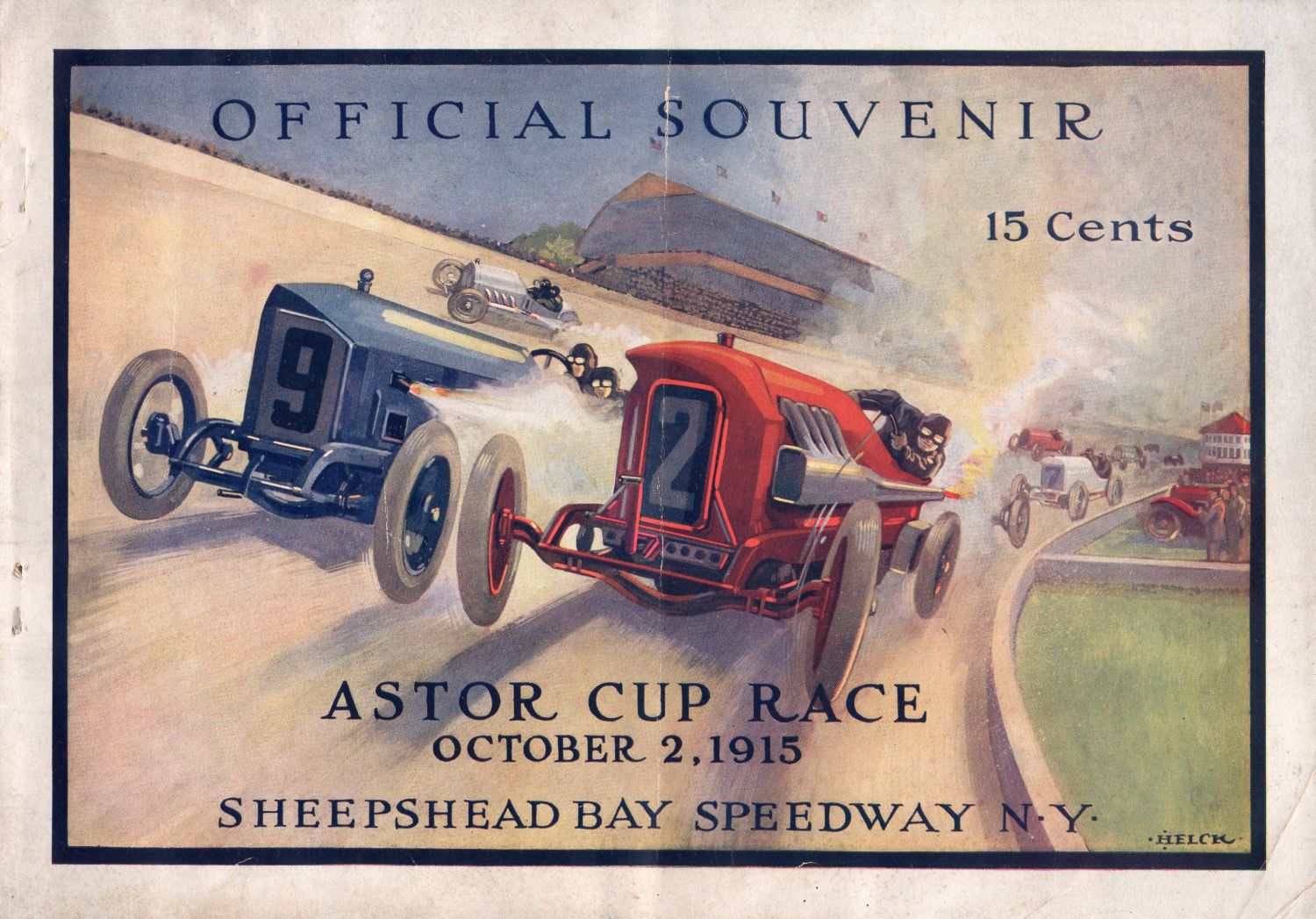
    On an October afternoon in 1915, the roar of racing engines echoed across Brooklyn as automobiles surged past 100 miles per hour on a track built entirely of wood. What spectators ultimately witnessed was not just a race, but the unveiling of one of the most ambitious speedways ever attempted in American motorsport. The origins of the Sheepshead Bay Speedway stretched back decades earlier, when the site had been home to the celebrated Sheepshead Bay Race Track, a premier Thoroughbred venue. That era ended abruptly after New York outlawed gambling in 1910, leaving the property idle and financially stranded. By 1915, however, a powerful group of investors recognized its potential. Organized under the Sheepshead Bay Speedway Corporation, the ownership included Cleveland businessman Harry Harkness and Carl G. Fisher, the visionary co-founder of the Indianapolis Motor Speedway. Their aim was bold and deliberate: to bring world-class automobile racing to the nation’s largest city and to create a speedway capable of surpassing anything seen before.

    1915 AAA Sheepshead Bay Astor Cup Program Front Cover

    Construction moved at a breathtaking pace. At a staggering cost of $3.5 million, the abandoned horse track was transformed into a two-mile wooden board speedway, requiring an estimated 3,200,000 feet of lumber. The engineering was revolutionary. The massive turns were 80 feet wide and banked at 17 degrees, designed to sustain extreme speeds far beyond those possible on dirt ovals. Easy rail access from Manhattan and expansive grandstands positioned Sheepshead Bay as a true metropolitan showplace, and promoters openly predicted it would rival — or even eclipse — Indianapolis. The track’s design delivered exactly what was promised: speed. Yet that same speed exposed the dangers of board track racing, a reality underscored when veteran driver, and two-time Vanderbilt Cup winner, Harry Grant was killed in a crash during preliminary running. It was a sobering reminder that innovation and risk were inseparable in this new era of racing.

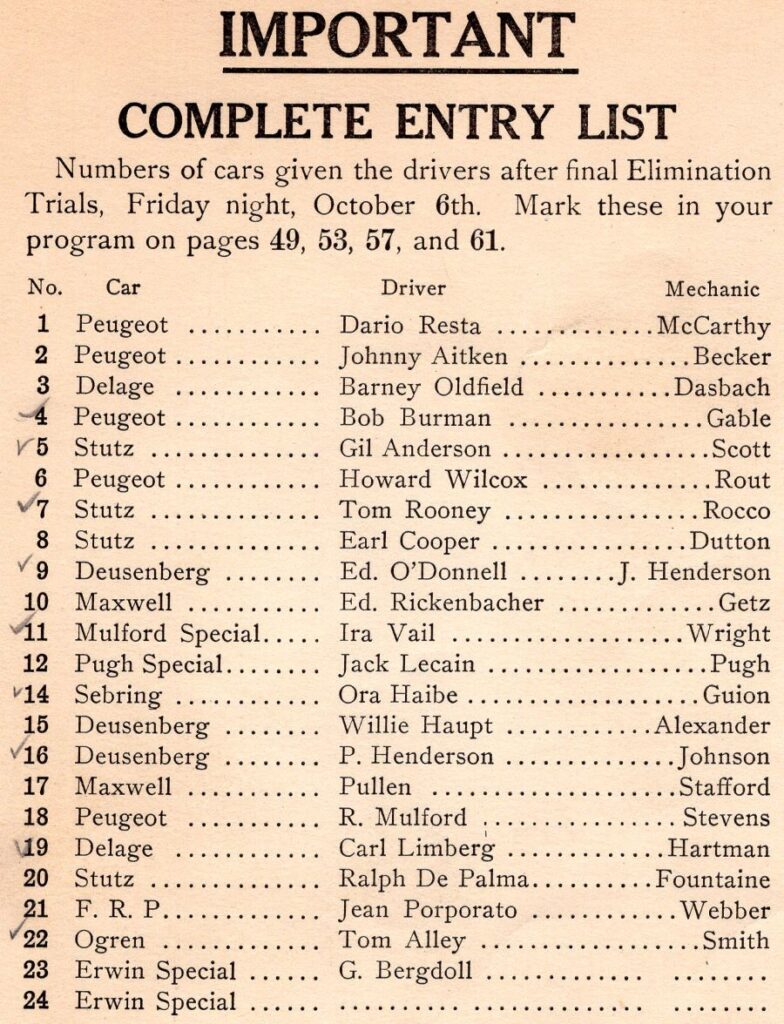
    1915 AAA Sheepshead Bay Speedway Astor Cup Entry List

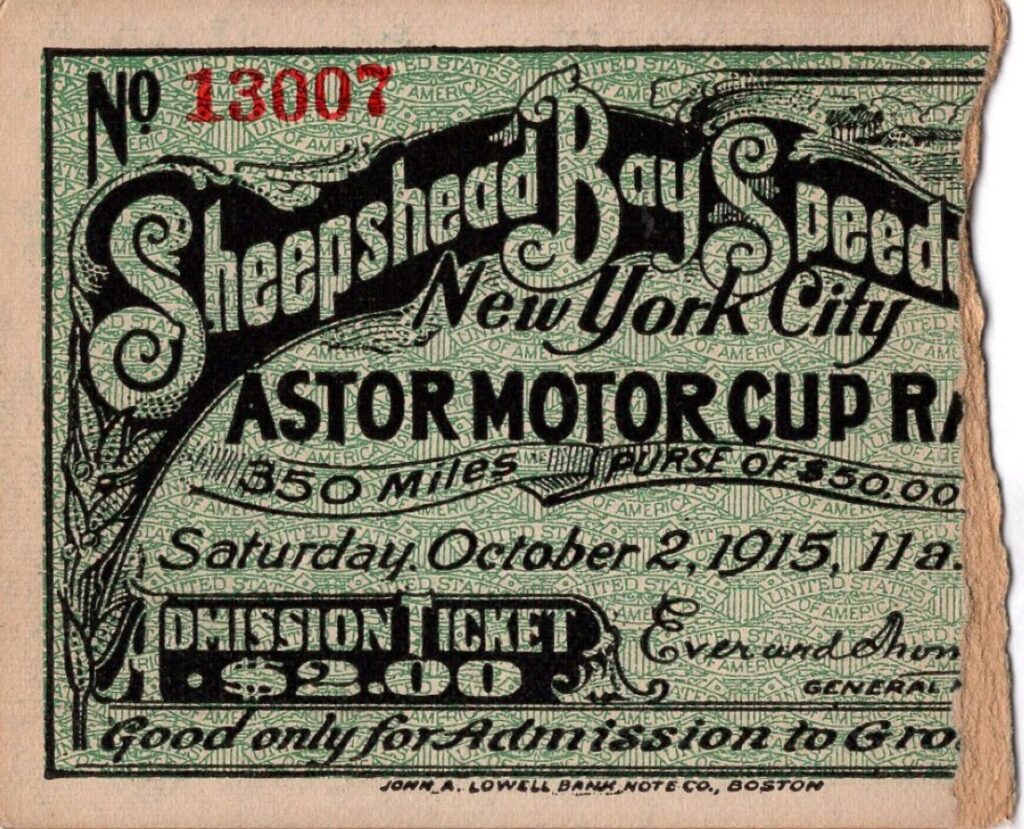
    To christen the speedway, organizers selected the Astor Challenge Cup, donated by Vincent Astor, whose name lent both prestige and social stature to the event. The AAA-sanctioned Astor Cup, run over 350 miles (175 laps), was scheduled as the first race ever held on the newly built Sheepshead Bay Speedway, but inclement weather forced a postponement, delaying the highly anticipated debut by a week. When the race was finally run on October 9, 1915, the track delivered on its promise. During the race, Dario Resta recorded the fastest lap at 115.756 mph, a staggering figure that illustrated the breathtaking potential of the two-mile board oval under full race conditions. Yet sheer speed alone did not decide the outcome.

    1915 AAA Sheepshead Bay Speedway Astor Cup Ticket Stub

    Victory went to Gil Andersen, driving a Stutz, who balanced pace with mechanical sympathy and endurance to win at an average speed of 102.59 mph. Tom Rooney finished second, just 57 seconds behind, with Eddie O’Donnell third. The event also produced disappointment, most notably for Barney Oldfield, whose car suffered a broken connecting rod, making him the first retirement and leaving him classified 20th. The 1915 Astor Cup proved both triumphant and cautionary — a dazzling demonstration of what modern engineering and daring drivers could achieve, and a stark illustration of the dangers that accompanied such speed. Although Sheepshead Bay Speedway would operate only briefly before closing in 1919, its legacy endures. The Astor Challenge Cup survived long after the wooden boards were torn down, eventually becoming the championship trophy of modern IndyCar racing, linking today’s champions directly to the men who first raced at unimaginable speeds on the Brooklyn boards in 1915.


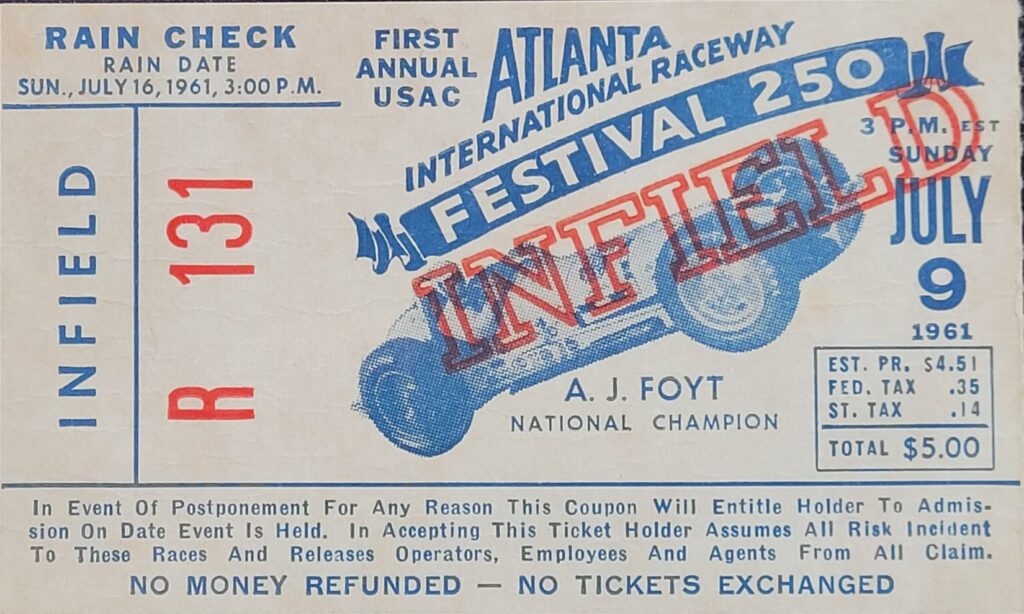
  • Saved at the Last Minute: How the 1961 Festival 250 Became a NASCAR Race

    Saved at the Last Minute: How the 1961 Festival 250 Became a NASCAR Race

    The 1961 Festival 250 at Atlanta International Raceway exists largely because of a sudden and controversial withdrawal by the United States Auto Club (USAC) just days before the event was scheduled to run. Originally planned as a USAC-sanctioned race, the event unraveled approximately 36 hours before practice, when USAC officials abruptly pulled their approval. Contemporary newspaper accounts indicate that the decision stemmed from serious safety concerns, particularly regarding the high sustained speeds expected on Atlanta’s fast 1.5-mile oval and doubts about tire durability under race conditions. USAC driver Eddie Sachs voiced public reservations, warning that the pace would leave drivers physically exhausted and questioning whether Firestone tires supplied for USAC competition would withstand the demands of the track. The late timing of the decision left promoters scrambling and threatened to cancel the event entirely.

    The reaction from stock car racers was swift and angry. Fireball Roberts, one of the sport’s most respected veterans, criticized USAC’s handling of the situation, saying the last-minute withdrawal was “terrible” for Southern promoters and should “eliminate USAC from the South forever.” Joe Weatherly was even more blunt, stating that organizers “should have known better than to be doing business with USAC,” adding that the organization “had never done right by anybody.” These comments reflected a broader cultural divide at the time, as many NASCAR competitors believed USAC neither understood nor respected stock car racing, particularly in NASCAR’s Southeastern stronghold.

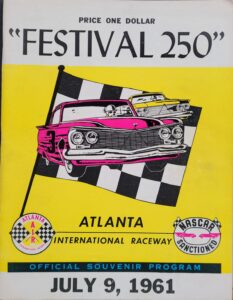
    Program for the 1961 Festival 250

    With the event on the brink of collapse, NASCAR president Bill France Sr. moved quickly to preserve the race, stepping in to sanction the Festival 250 as a NASCAR Grand National points event. The decision not only saved the weekend for fans and teams but also underscored NASCAR’s growing dominance in American stock car racing. What had begun as a USAC experiment ultimately became a uniquely NASCAR affair, remembered less for its original intent than for the circumstances that forced its transformation. The Festival 250 remains a rare example of a race reshaped by sanctioning politics, illustrating both the fragility of motorsports promotion in the early 1960s and NASCAR’s ability to capitalize when opportunity — and controversy — presented itself.

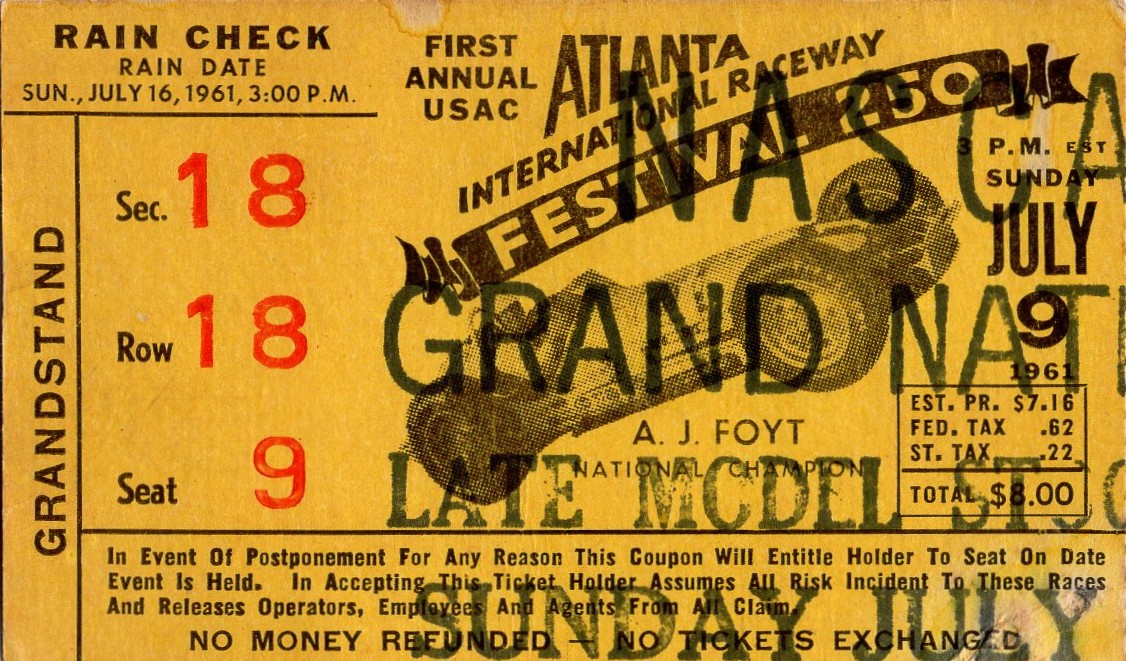
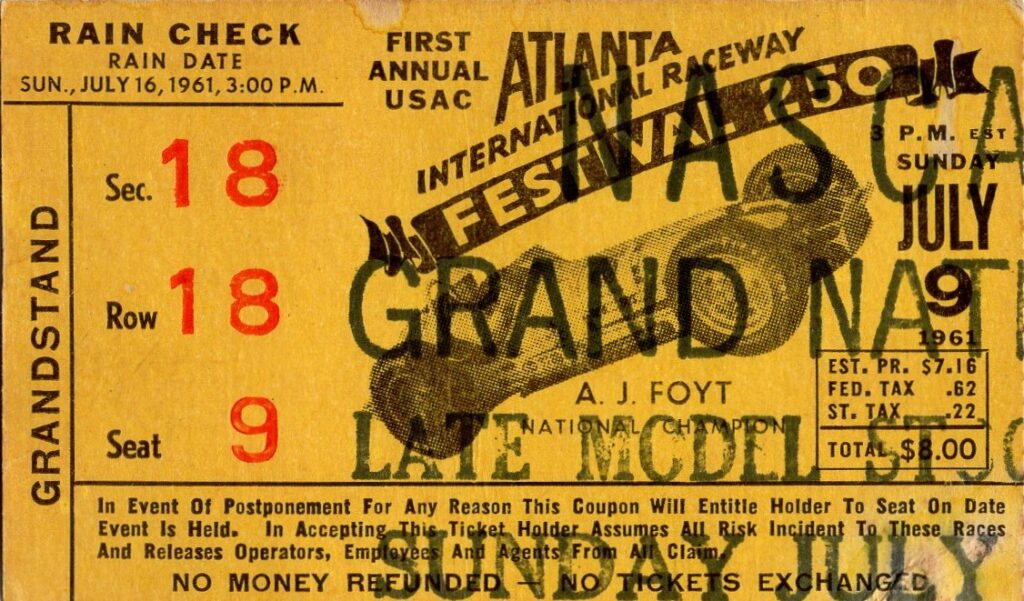
    With USAC’s abrupt withdrawal and NASCAR’s quick intervention still fresh in everyone’s minds, the 1961 Festival 250 finally took the green flag on Sunday, July 9, 1961, at Atlanta International Raceway. Originally conceived as a showcase event, the race drew an enthusiastic crowd — reports from memorabilia and race programs suggest around 18,000 spectators packed the grandstands to see how the newly sanctioned NASCAR Grand National event would unfold in the Georgia heat.

    Once underway, the 167-lap, 250-mile contest proved to be all NASCAR from start to finish. Fred Lorenzen, driving the No. 28 Ford for Holman-Moody, delivered a commanding performance. Starting fifth on the grid, Lorenzen led 52 laps and ultimately lapped the entire field, crossing the finish line with a full circuit advantage over his nearest rival.

    Bob Welborn, piloting a Pontiac, was credited with second place, finishing one lap down, while Richard Petty brought his Plymouth home third, further cementing the race’s place on NASCAR’s Grand National map.

    In this way, what began as a sanctioning controversy and logistical scramble became a memorable chapter in early 1960s stock car racing — a race that rewarded adaptability and speed, seized by NASCAR’s rising momentum and defined by one of the era’s most dominant drivers.

  • 1960 Peter-Austin Magnajector Picture Cards

    1960 Peter-Austin Magnajector Picture Cards

    The 1960 Peter-Austin Magnajector picture cards occupy a small but interesting niche in the history of auto racing collectibles. The double-sided six card set is closely connected to the legacy of the Indianapolis 500 through its subject matter. Every card in the series features drivers whose reputations were built, in whole or in large part, at Indianapolis. This issue is especially appealing to collectors focused on Indy 500 history.

    The cards were produced by Peter-Austin, a Canadian company associated with the distribution of the Magnajector. The Magnajector was a mid-century image projection toy allowing users to project printed images onto a wall or screen. The racing picture cards were designed as visual supplements for that system. The cards are generally considered a promotional or novelty issue rather than a traditional trading card release.

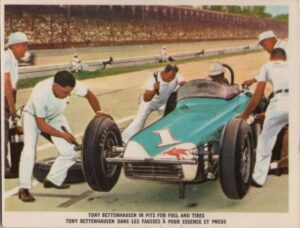
    Tony Bettenhausen makes a pit stop at the Indianapolis 500

    What gives the set its lasting appeal is the selection of drivers. Rather than focusing on contemporary stars of just 1960, the cards look back at legendary figures from the golden era of American championship racing. Names such as Bill Vukovich, Mauri Rose, Bob Sweikert, Tommy Milton, Floyd Roberts, and Lee Wallard are inseparable from Indianapolis 500 history. Several drivers featured were race winners, others perennial contenders, and all were well-known to fans of the Speedway.

    Bill Vukovich Leads the Indianapolis 500 Pace Lap

    Physically, the Magnajector cards are oversized compared to standard sports cards of the period. Surviving examples measure approximately 76 × 101 millimeters, or about 3 × 4 inches. This larger format suggests they were meant to be viewed or displayed rather than shuffled or traded extensively. Most examples are found without any packaging, and condition varies widely, with corner wear and surface scuffing being common due to their size and paper stock.

    From a collecting standpoint, the set is appealing because of its small size, its exclusive focus on Indianapolis-related drivers, and its unusual origin. While values are generally modest compared to mainstream racing cards, complete sets are far less common than individual cards. As a result, assembling a full checklist can be a satisfying challenge for collectors of Indy 500 memorabilia or vintage auto racing ephemera.

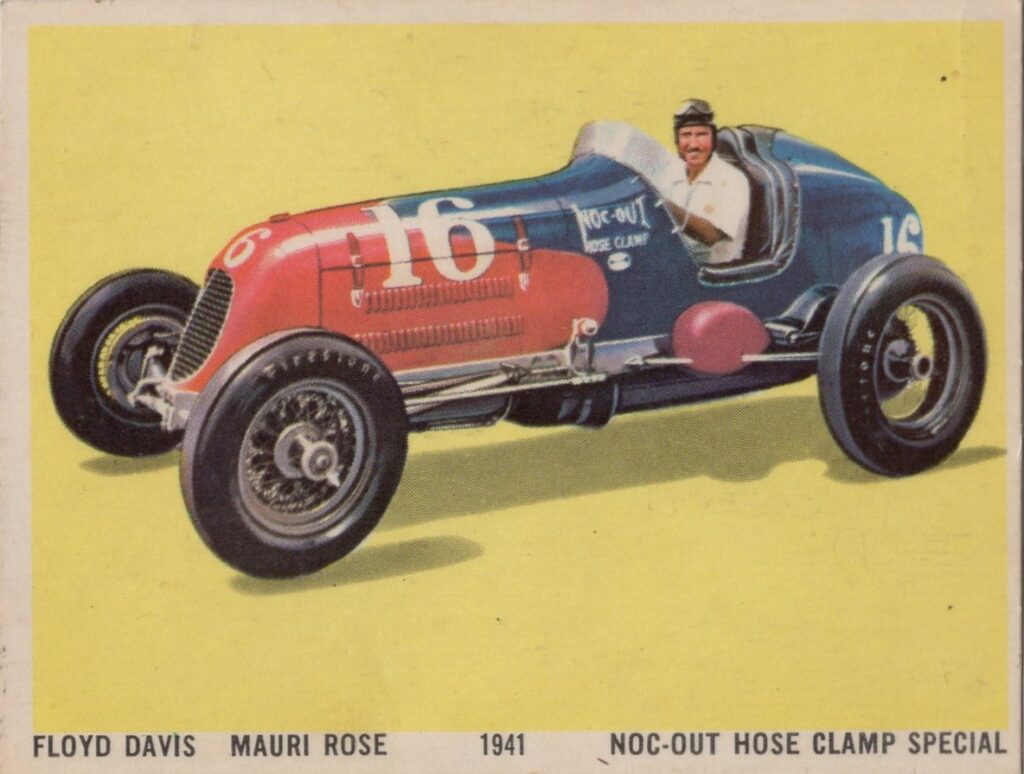
    Winners of the 1941 Indianapolis 500, Floyd Davis & Mauri Rose

    Checklist: 1960 Peter-Austin Magnajector Picture Cards

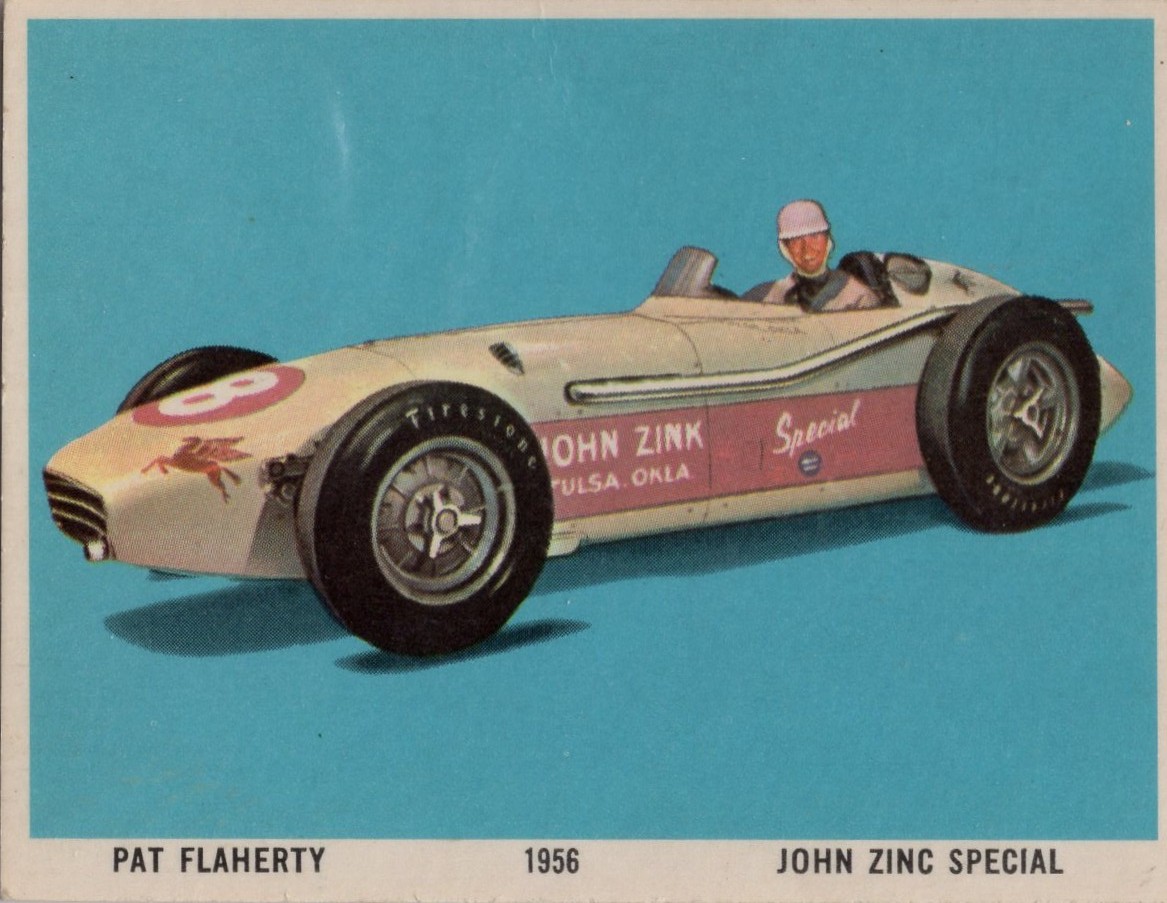
    1. Pat Flaherty and Lee Wallard
    2. Bill Holland and Floyd Roberts
    3. Tommy Milton and Mauri Rose
    4. Floyd Davis/Mauri Rose, and Rodger Ward
    5. Bob Sweikert and Tony Bettenhausen
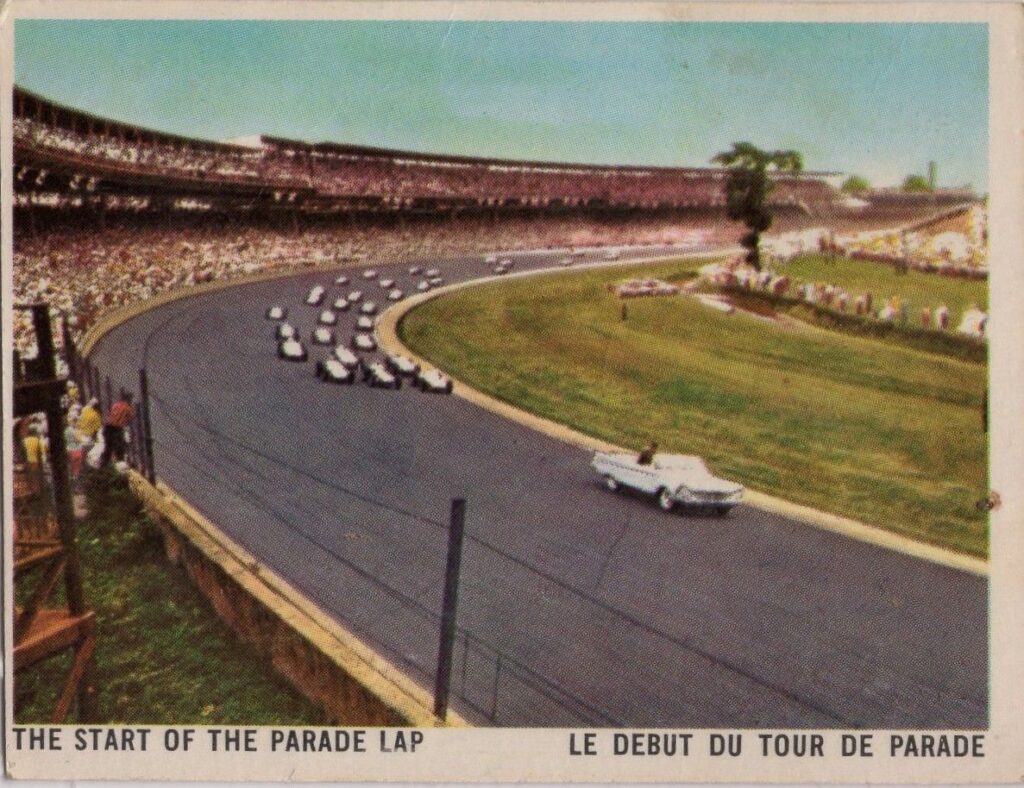
    6. Bill Vukovich – Start of the Parade Lap

    Today, the 1960 Peter-Austin Magnajector cards are best appreciated as historical picture cards rather than conventional trading cards. They reflect a period when racing heroes were celebrated through a wide range of novelty items, and when the Indianapolis 500 was the center of American racing culture. For collectors, they offer a compact and visually engaging way to connect with the legends of the Speedway.

  • The 1961 Marhoefer (Indy Car Drivers) Card Set

    The 1961 Marhoefer (Indy Car Drivers) Card Set

    The Marhoefer Packing Company was a regional meat packing business based in Muncie, Indiana, active in mid‑20th century food production including hot dogs, sausages, and other processed meats.

    In its advertising efforts, Marhoefer combined product promotion with popular cultural themes. In 1960 the company issued a promotional card series featuring airplanes, rockets, and space‑related imagery. Building on that promotion, Marhoefer issued a dedicated racing set of 10 cards in 1961 centered on Indianapolis Championship drivers — a move that tied its brand to the region’s most celebrated motorsport event, the Indy 500.


    Marhoefer Meats

    What Makes the 1961 Cards Unique

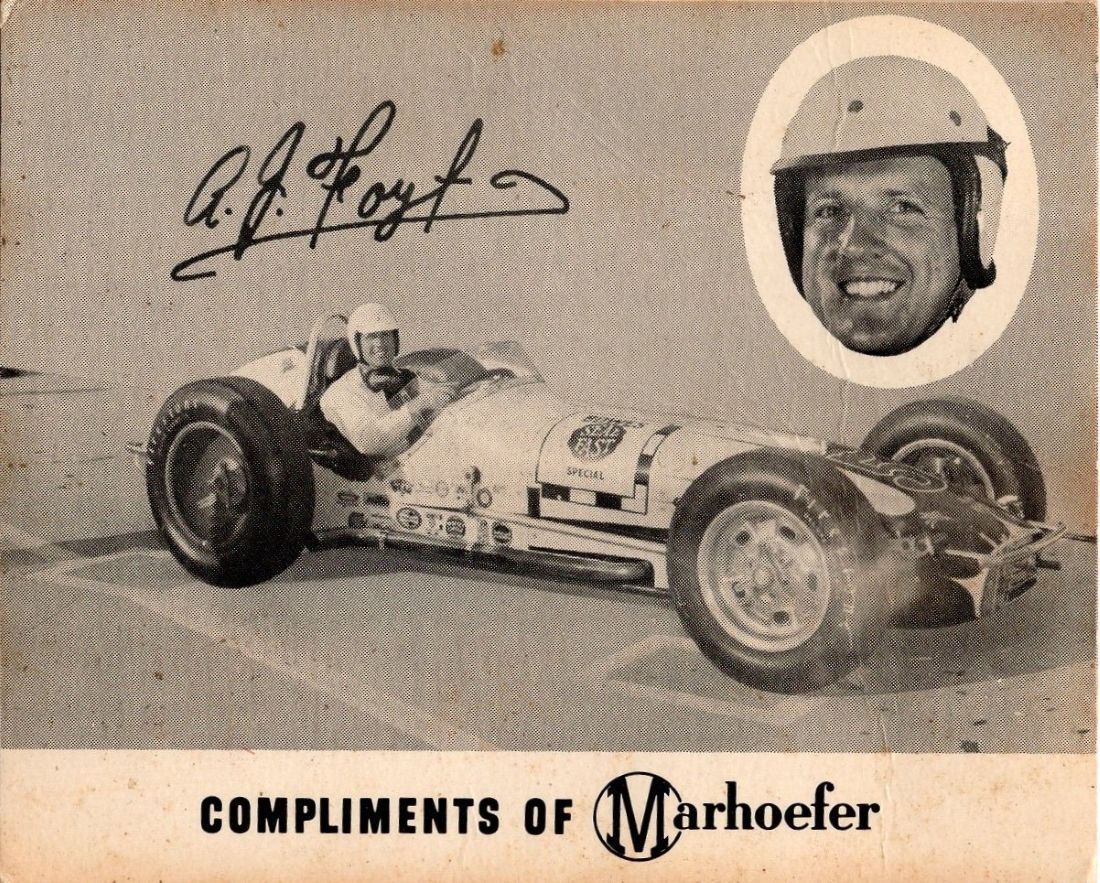
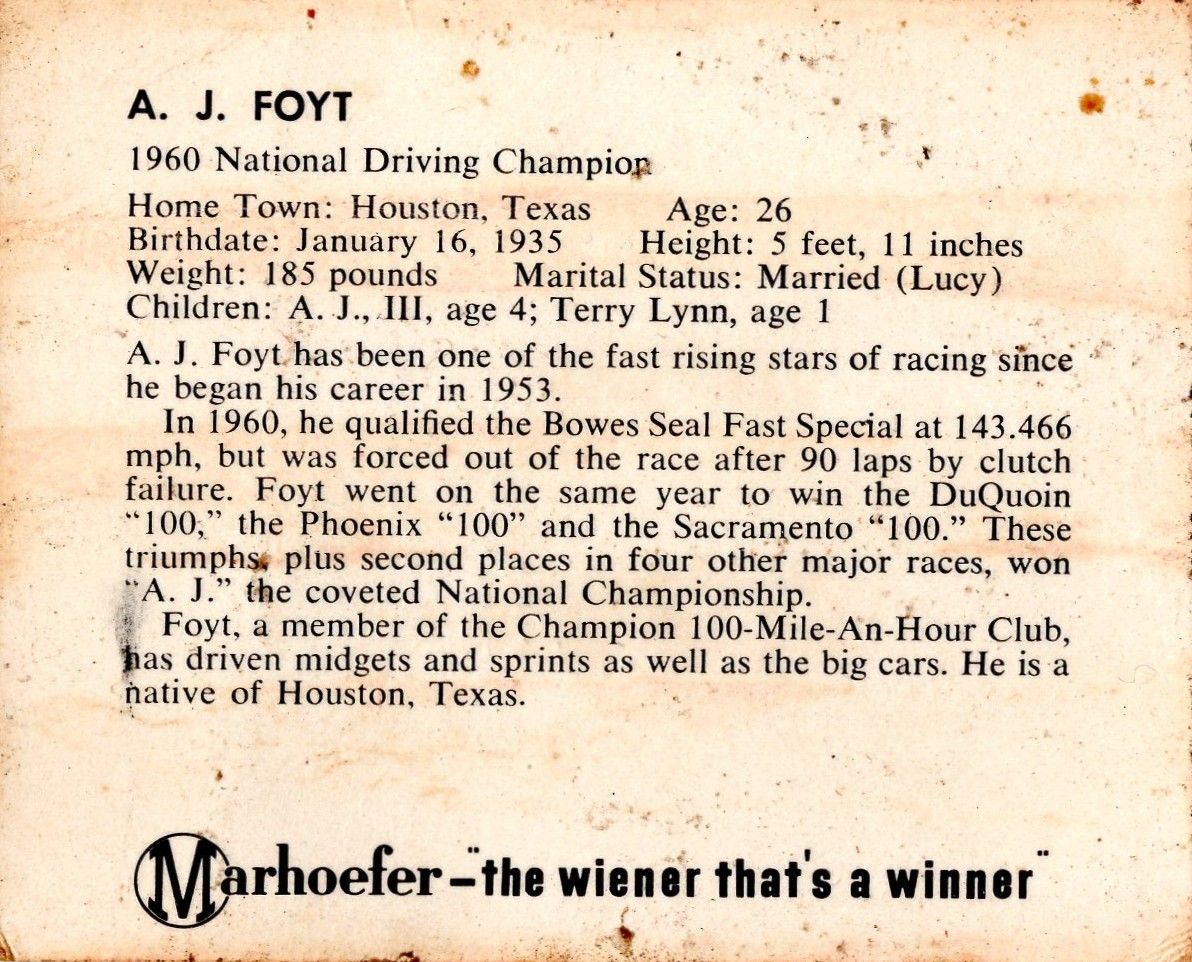
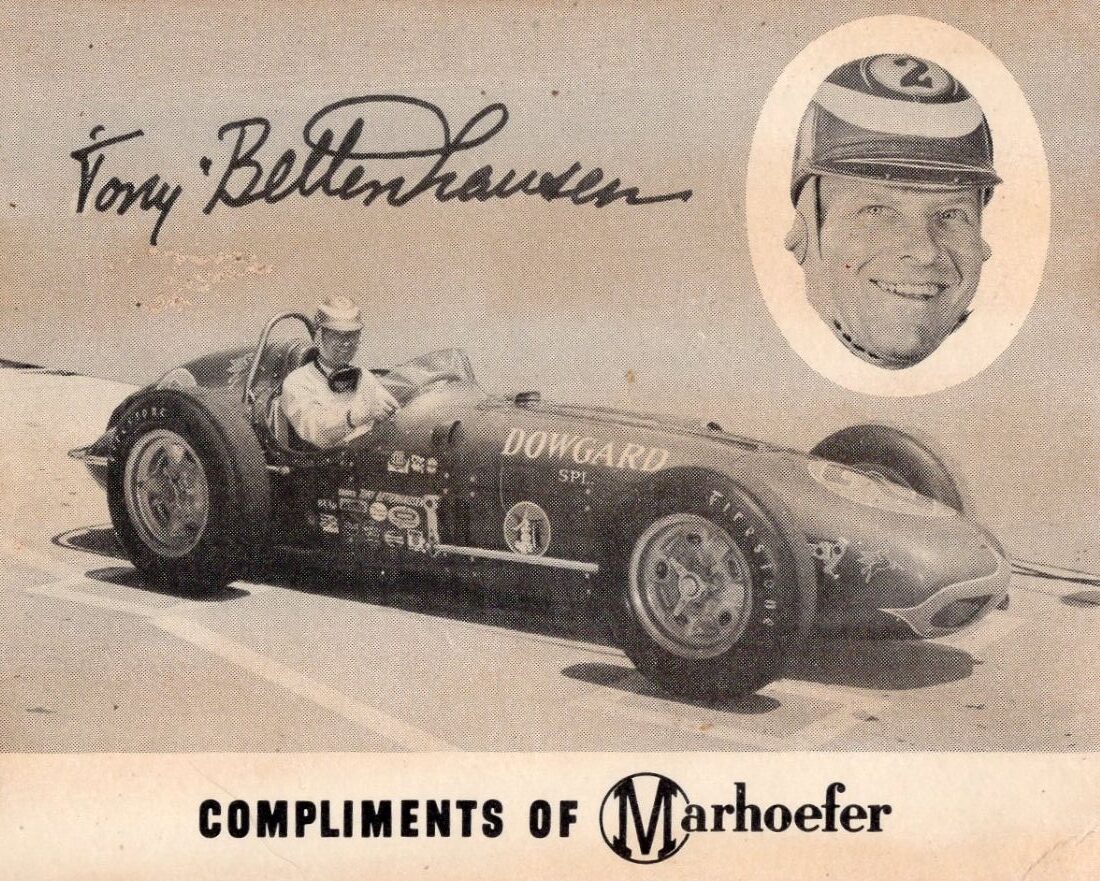
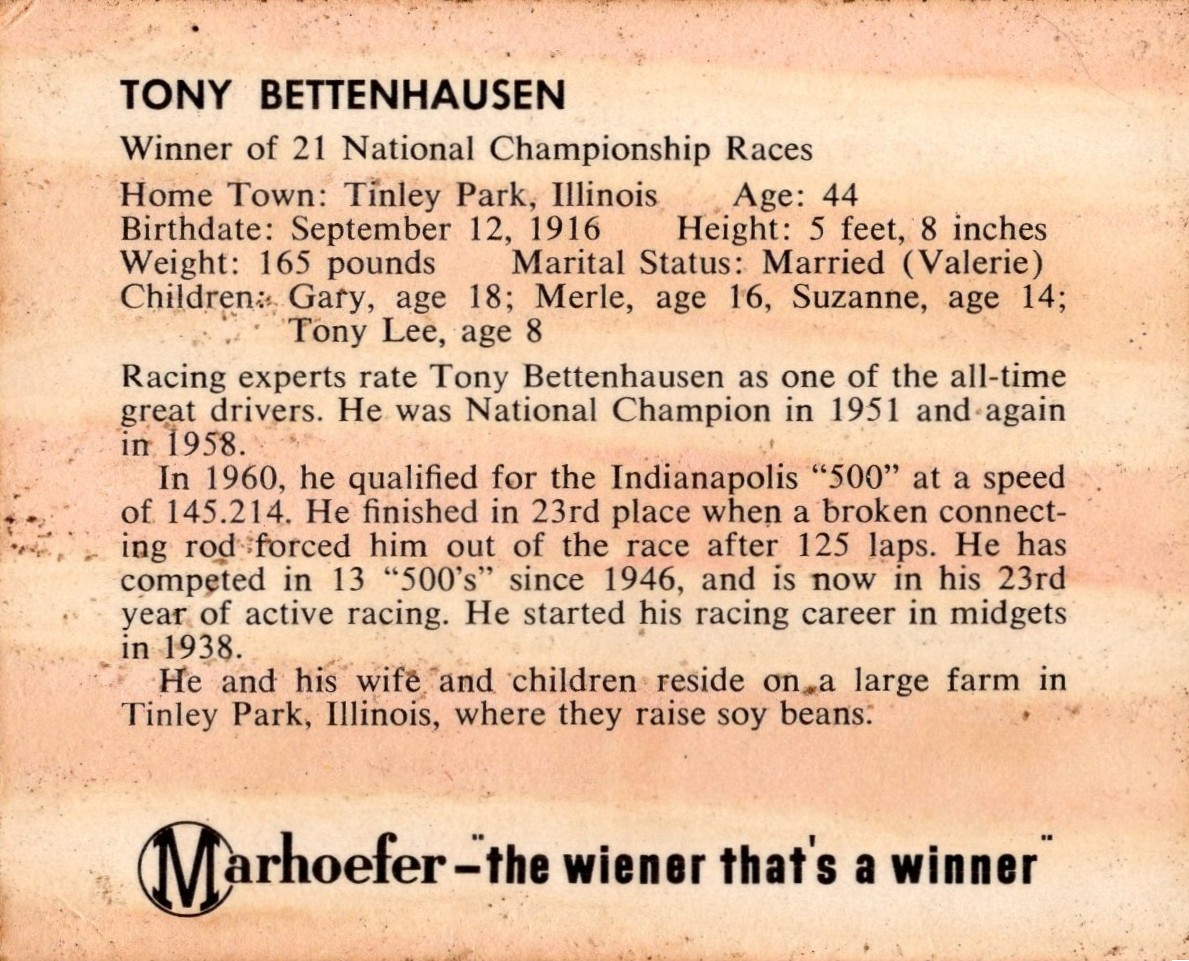
    The 1961 Marhoefer Meats cards consist of black‑and‑white photographic portraits of active Indy car drivers. The unnumbered cards measure 105mm x 84mm and are larger than the standard card issue. Unlike commercial trading card issues intended for hobby distribution, these were produced as promotional backing boards for meat products. Marhoefer’s advertising cards were included in packaging or as backing cards beneath meat items, which explains the frequent presence of stains and smudges on the backs of surviving examples — physical signs of original handling as product inserts.

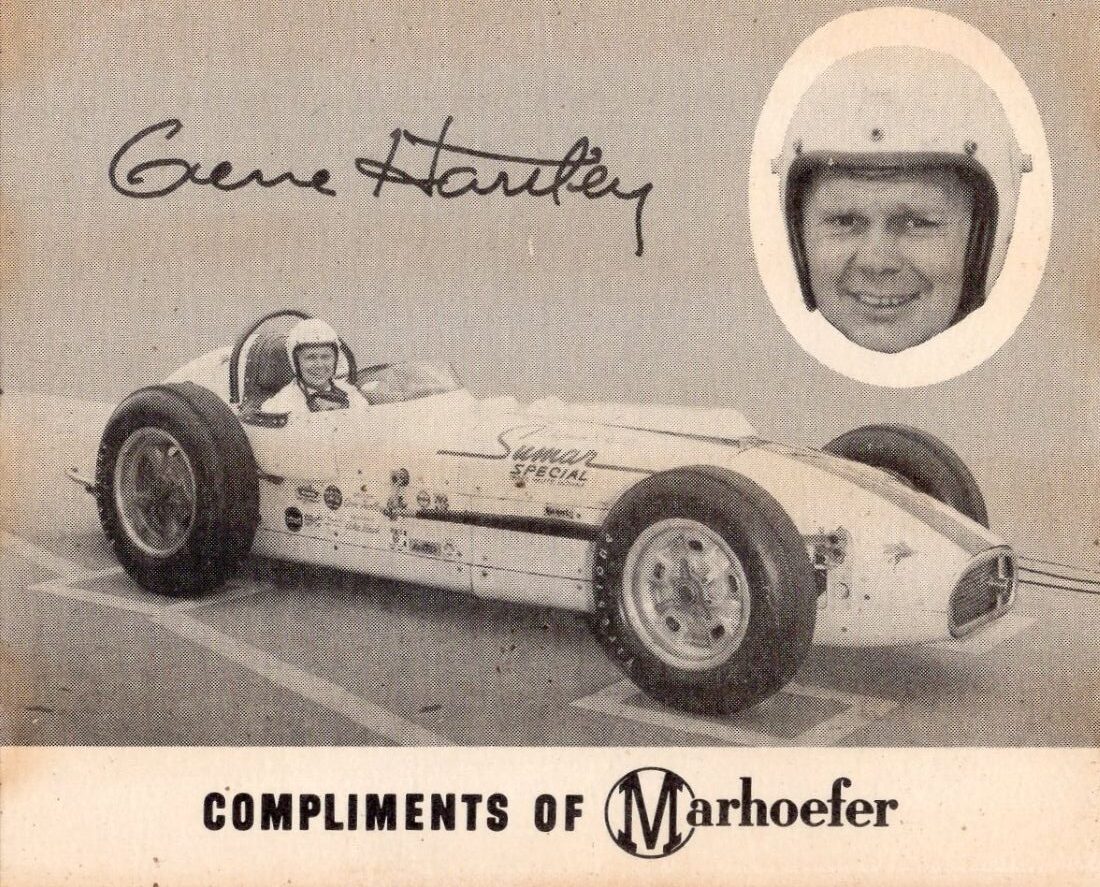
    The front of each card features the driver’s photo in a circle, the car, and the driver’s signature while the reverse side offers biographical information of the driver. Marhoefer is identified on both sides of the card. Because the set was not officially numbered and was locally distributed, many collectors today regard it as both a motorsport keepsake and a historical artifact of regional advertising.

    This set is best known for being the first card set featuring A.J. Foyt. Foyt made his first Indianapolis 500 start in 1958 and had a best finish of 10th in his first three years. This 1961 set was issued the year that Foyt won his first of four Indianapolis 500s.


    Another card in the set features Tony Bettenhausen, one of the most respected drivers in American open‑wheel racing. While these cards were being issued, Bettenhausen was killed in a practice crash at the Indianapolis Motor Speedway on May 12, 1961. He was testing a car for fellow driver Paul Russo when a mechanical failure occurred. Bettenhausen was expected to start his 15th Indianapolis 500 and was considered a contender for speed records during qualifying.


    ** Please note the wiener marks on the back of the card **


    Collector Notes

    Distribution & Handling:
    The wax coated cards were originally included inside meat product packaging which contributes to the variety of back markings and the occasional stains seen today. This usage is consistent with other regional meat product promotions of the era.

    Condition Variability:
    Because the cards were treated as promotional materials rather than premium collectibles, many examples show significant handling. It is not unusual to see driver cards with significant staining and creasing. There are existing cards without the stains, but they are very rare.

    Regional Context:
    The Marhoefer Meats Drivers series was not widely known outside of central Indiana, making surviving examples especially valuable to local history enthusiasts and motorsport memorabilia collectors alike.


    1961 Marhoefer Meats Racing Cards — Checklist

    • Chuck Arnold
    • Tony Bettenhausen
    • Duane Carter
    • A.J. Foyt
    • Elmer George
    • Gene Hartley
    • Len Sutton
    • Johnnie Tolan
    • Roger Ward
    • Wayne Weiler