The 1926 Spalding Champions set (also known as the Sports Company of America issue) remains one of the most ambitious and visually captivating multi-sport card releases from the pre-war era. Produced by the San Francisco-based Sports Company of America—with connections to the A.G. Spalding & Bros. sporting goods powerhouse—this set includes around 210 known cards celebrating athletes from an impressive range of disciplines from baseball to billiards. The 1926 Spalding Champions set includes eight dedicated cards highlighting the era’s top automobile racing stars who dominated the Indianapolis 500, board tracks, and AAA circuits during the Roaring Twenties.
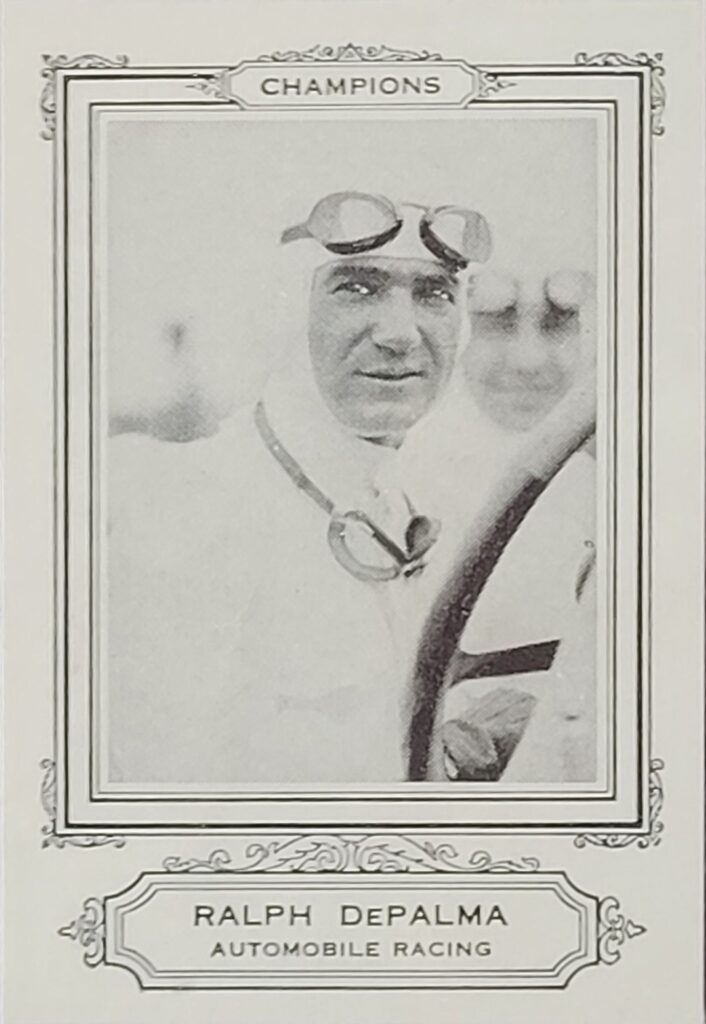
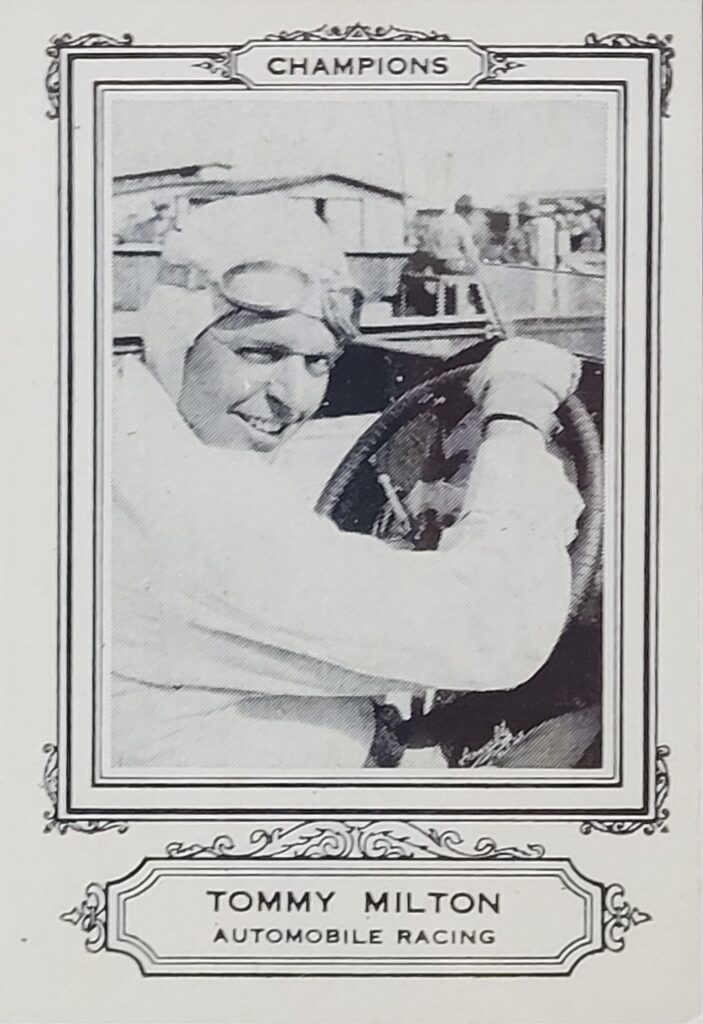
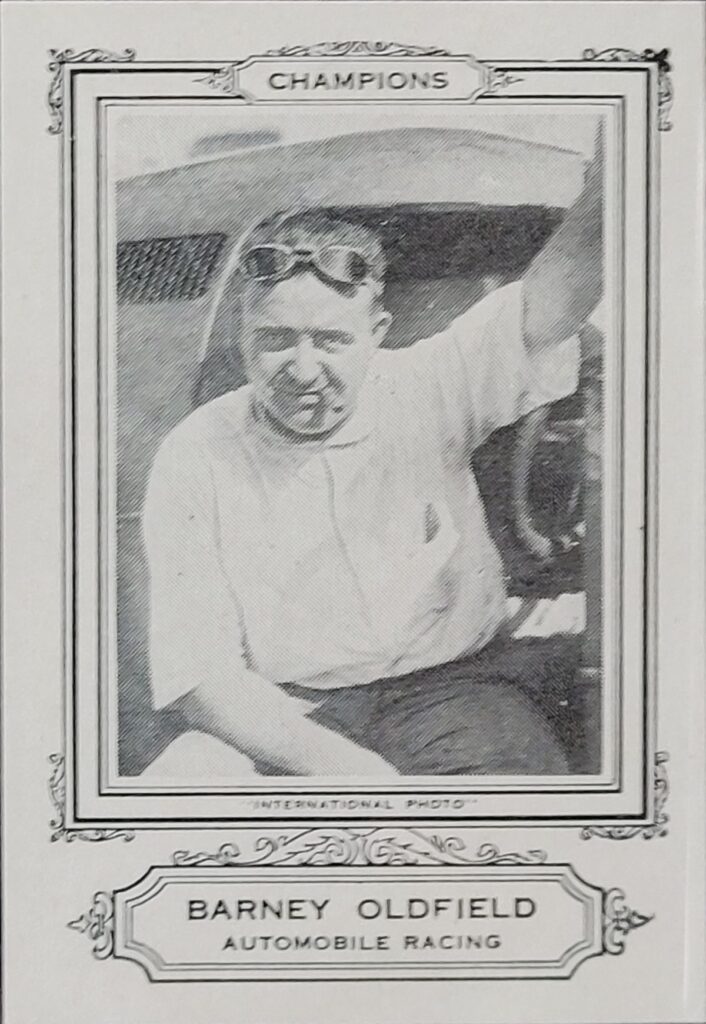
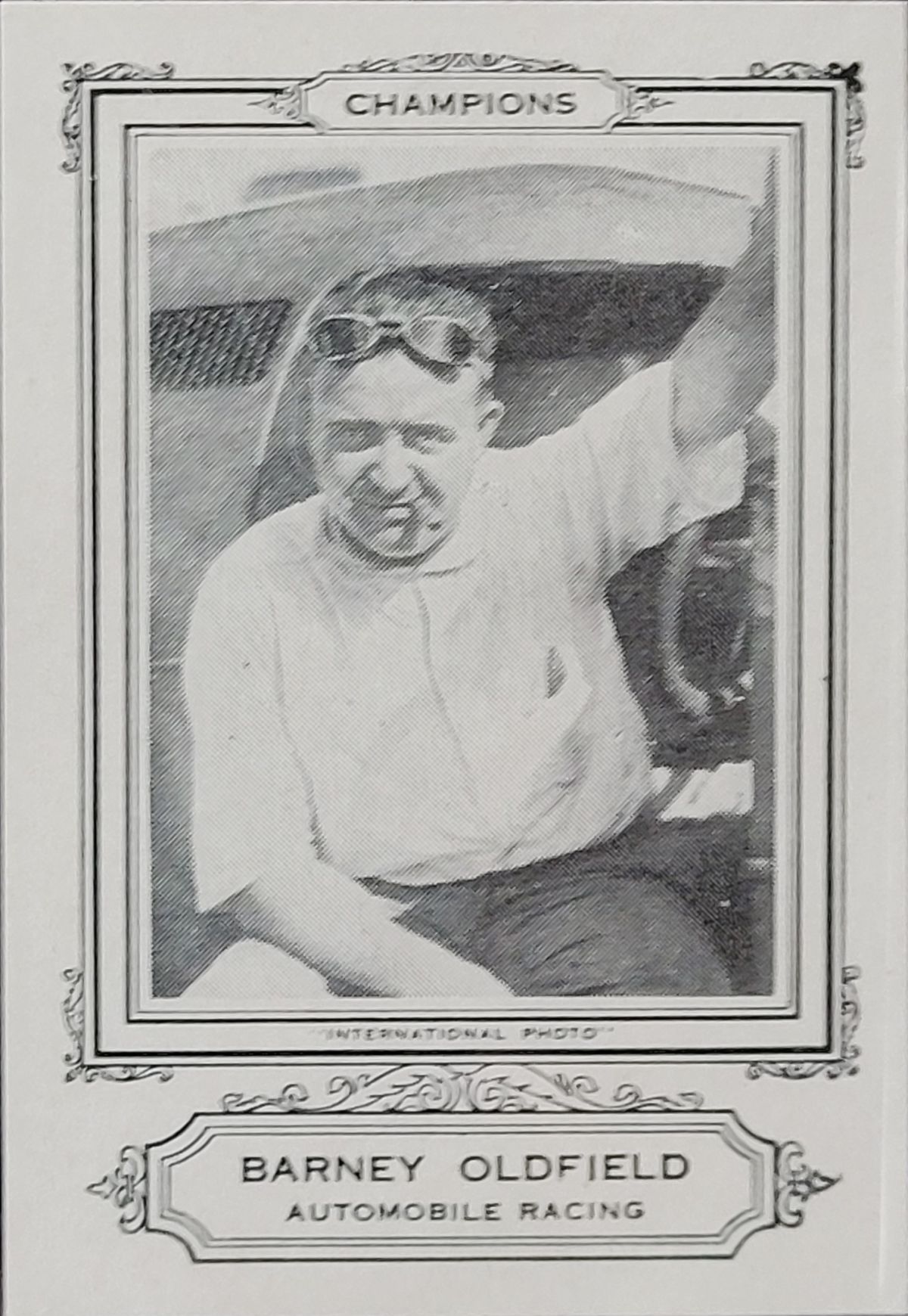
The cards measure approximately 38 mm by 56 mm (1-1/2″ by 2-3/16″), featuring thin, translucent stock printed via halftone process. The fronts showcase elegant black-and-white posed photos of the athletes, framed in ornate Art Deco borders. “CHAMPION” crowns the top, with the subject’s name and sport in a decorative rectangle below—giving the cards a sophisticated, almost artistic collectible appeal that stands out from typical 1920s issues.
Distribution and the Album Promotion
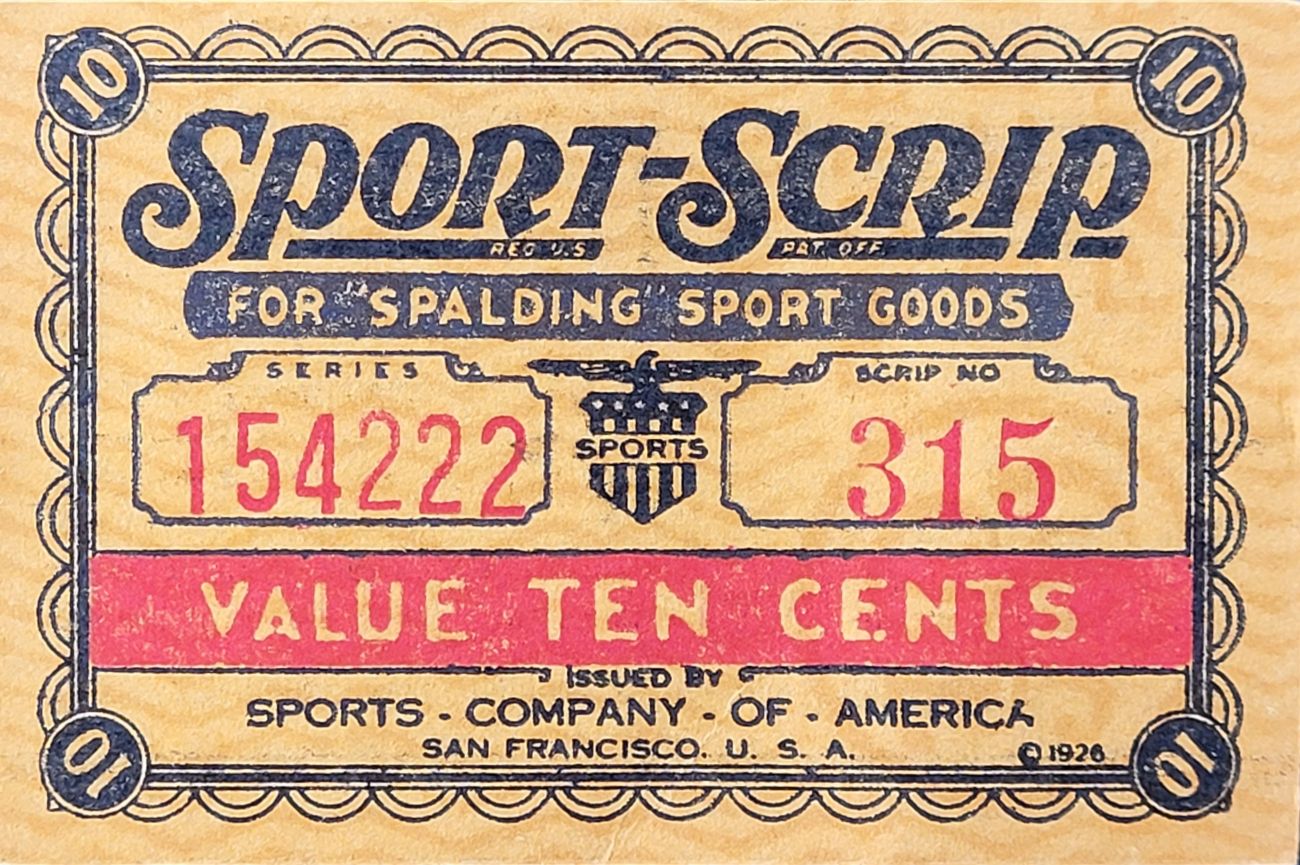
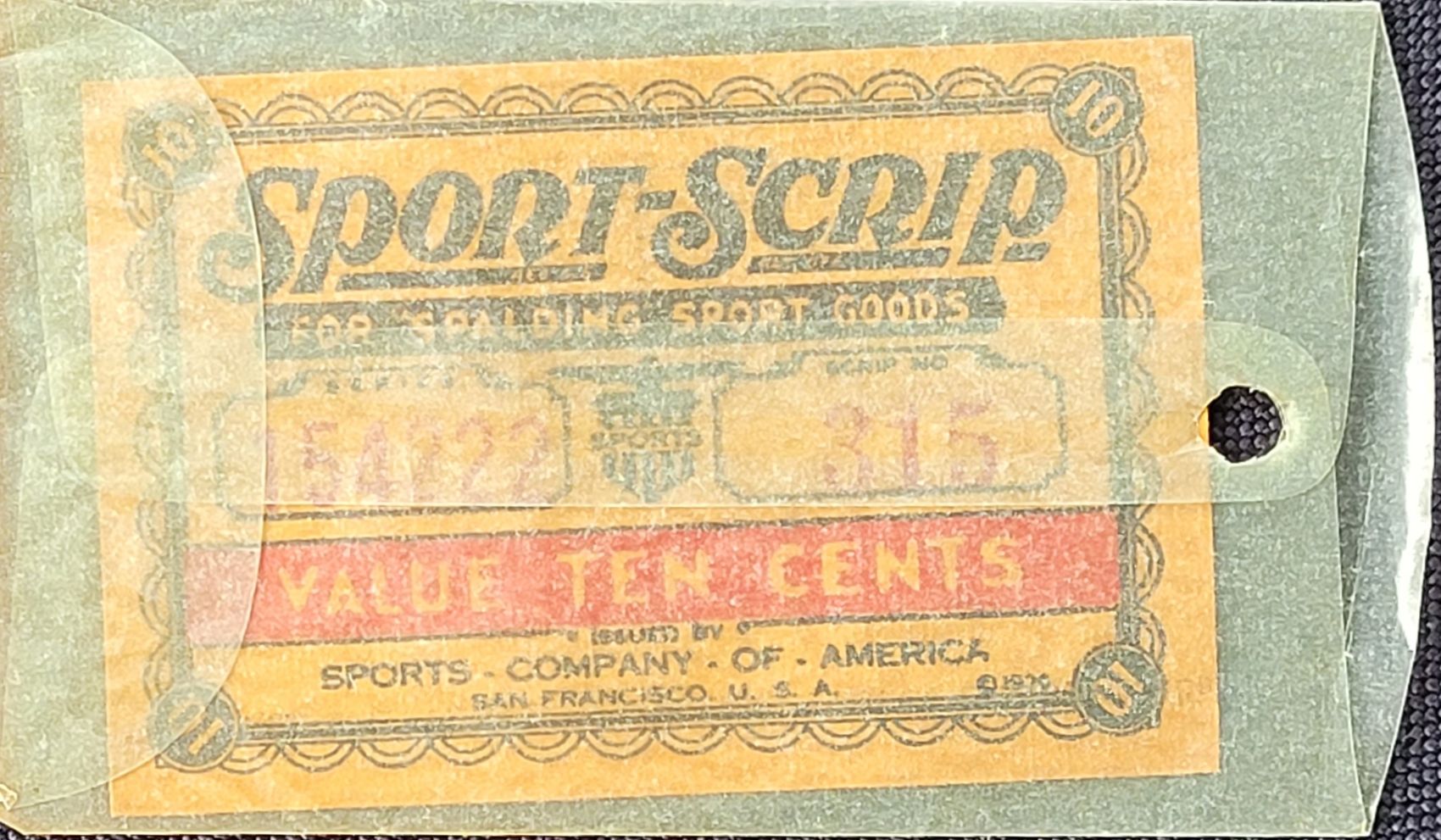
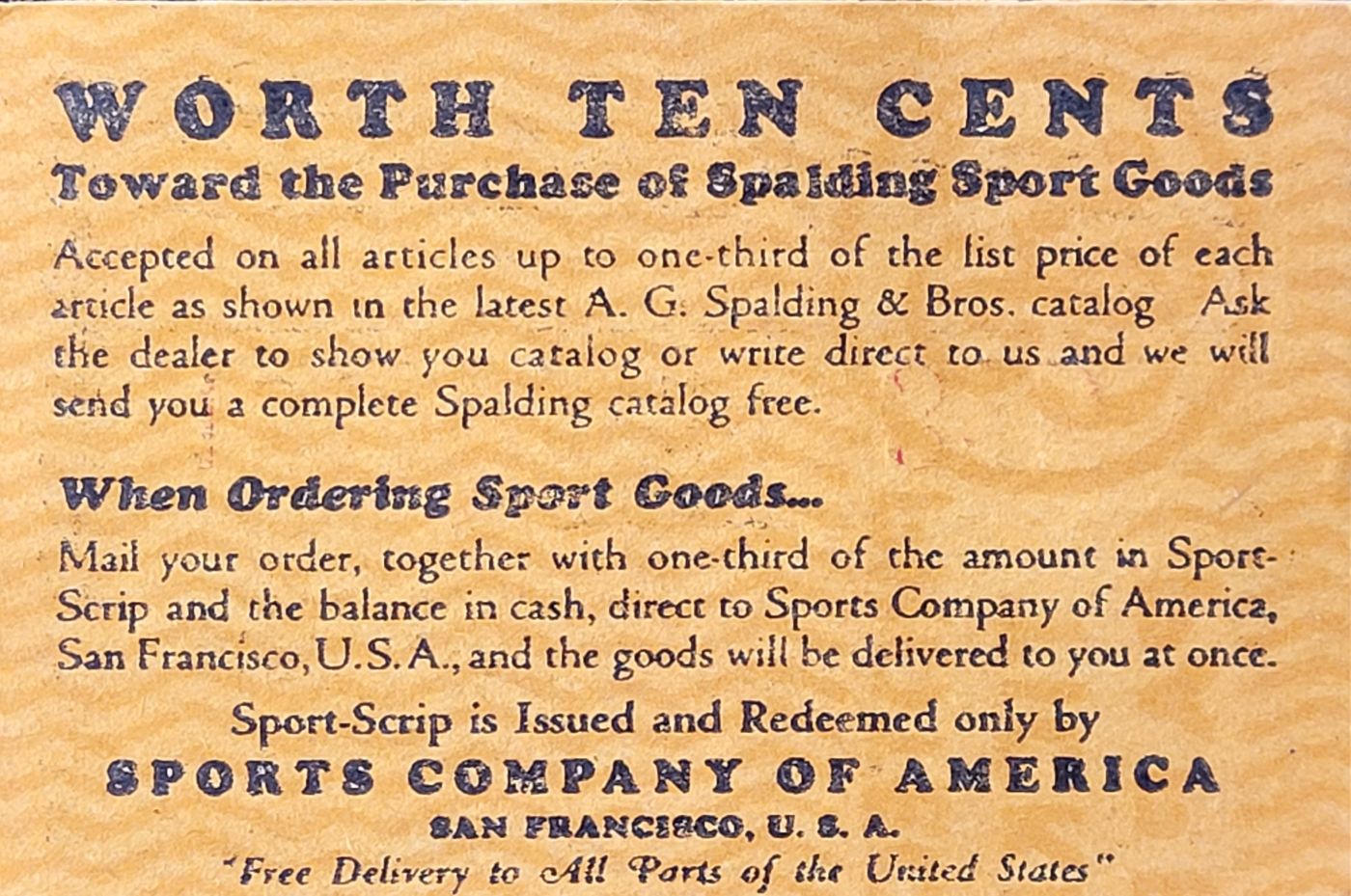
Cards came in small glassine envelopes, each including a “Sport-Scrip” coupon redeemable for 10 cents off Spalding sporting goods. A special offer on certain backs allowed collectors to mail in five cards plus 50 cents (via money order or stamps) to receive a handsome blue-and-gold album designed to house all 200 cards (though roughly 210 are now cataloged). No original albums have appeared at major auctions, heightening the set’s allure.
The Different Backs: Rarity Variations
The backs are a major draw for collectors, with four primary types:
- Biography (Text/Stat) Backs — The most common, featuring a short bio or stats of the athlete. A notable detail: some carry a 1926 copyright date at the bottom, while others are dated 1927. The 1927 versions are scarcer and likely represent later print runs or set expansions. For example, key cards like Babe Ruth appear with both dates.
- Advertising Backs — Scarce promotional reverses touting the “Sports Co. of America” and album-order instructions.
- Blank Backs — The rarest, possibly hand-cut proofs or test prints.
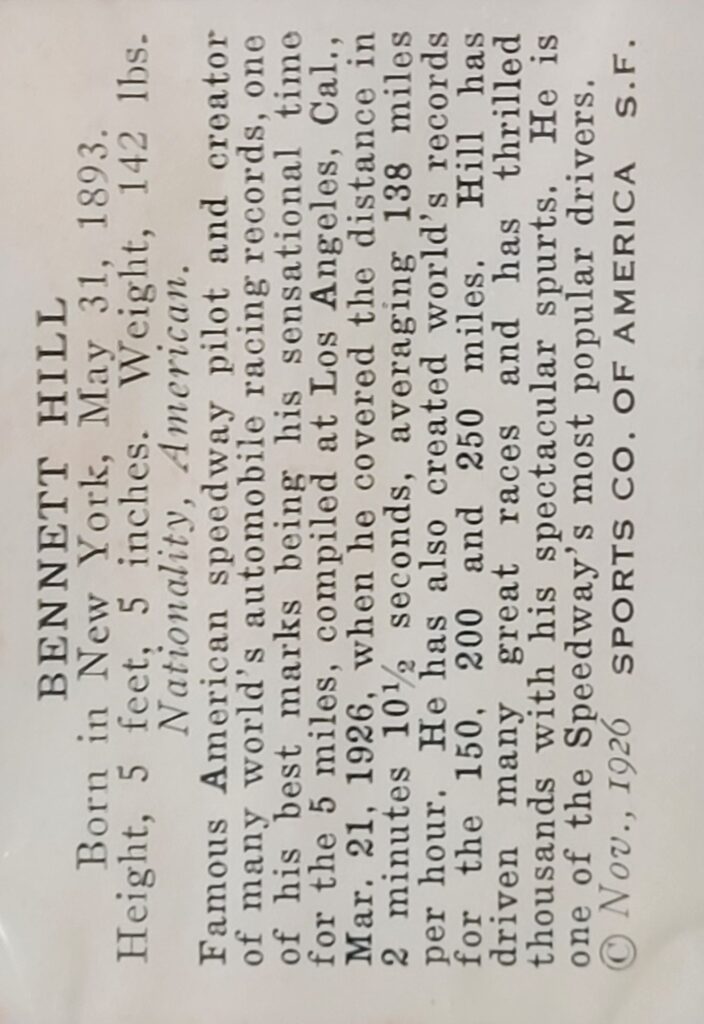
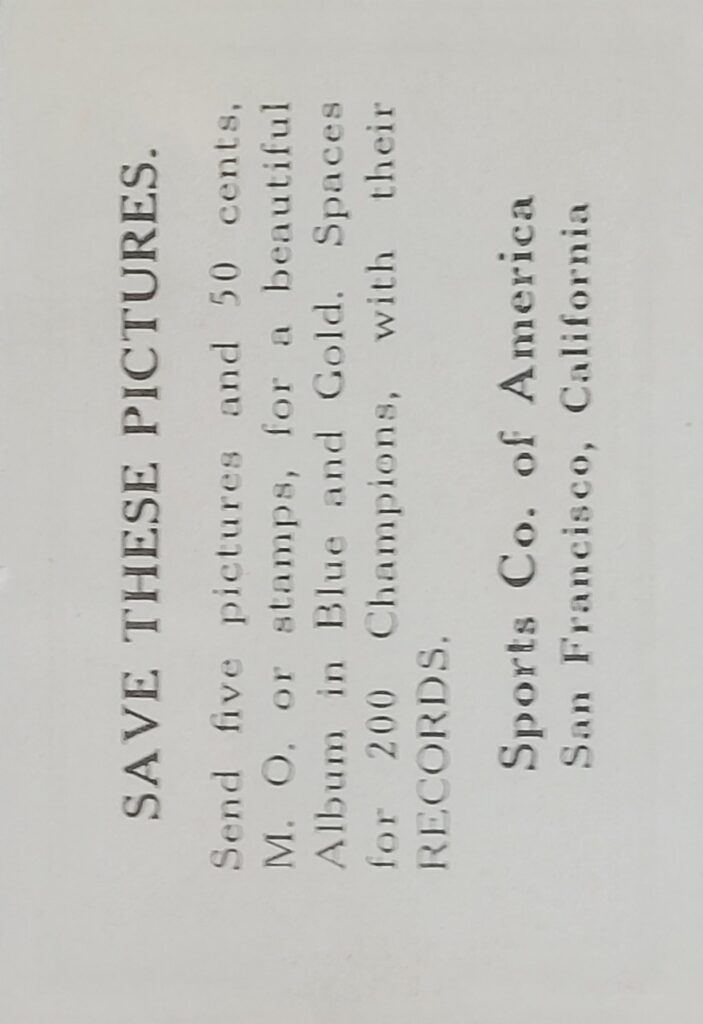

These back variations—especially the dual 1926/1927 copyrights on bio backs—make assembling a master set a serious pursuit.
Subjects and Auto Racing Connections
The set’s diversity shines through its baseball cards (including stars like Babe Ruth, Ty Cobb, and Rogers Hornsby), football cards (with pre-rookie Hall of Famers Bennie Friedman and Ernie Nevers), boxing icons Jack Dempsey and Gene Tunney, golfers Walter Hagen and Gene Sarazen, tennis great Bill Tilden, and swimmer Johnny Weissmuller.
The eight automobile racing cards in the 1926 Spalding Champions set feature the following drivers:
- Earl Cooper — A pioneering American racer who won three AAA National Championships (1913, 1915, 1917) and achieved a best finish of second at the 1924 Indianapolis 500, earning the nickname “the Clutch King” for his reliability in early dirt-track and board-track eras.
- Ralph DePalma — An Italian-American legend who dominated early American racing with the 1915 Indianapolis 500 victory (after famously pushing his car across the line in 1912), multiple Vanderbilt Cup wins, AAA National Championships in 1912 and 1914, and over 2,500 career victories claimed across various events.
- Pete DePaolo — Nephew of Ralph DePalma, he won the 1925 Indianapolis 500 at a record average speed, captured AAA National Championships in 1925 and 1927, and was a top Duesenberg and Miller team driver in the 1920s.
- Harry Hartz — A versatile racer who finished second in the 1922, 1923, and 1926 Indianapolis 500s, won the 1926 AAA National Championship with seven board-track victories throughout his career, and later became a successful car owner and race promoter after a 1927 crash ended his driving days.
- Benny Hill — An American board-track and dirt-track specialist (full name Bennett Hill) who secured six AAA-sanctioned victories in the 1920s (including Culver City in 1924), competed in eight Indianapolis 500s with a best finish of third in 1925, and broke multiple speed records during his active years from the early 1920s to 1934.
- Bob McDonogh — A prominent 1920s board-track era driver who competed in over 40 AAA Championship races from 1924 to 1932 (including six Indianapolis 500 starts with a best of seventh in 1926), secured three wins in 1925, and notched multiple podiums and poles before his career ended.
- Tommy Milton — The first two-time Indianapolis 500 winner (1921 and 1923), he captured the 1921 AAA National Championship, amassed 23 AAA championship race wins from 1917–1925 (dominating board tracks and dirt events in the early 1920s), and retired from driving after his final race, the Fulford 300 in February 1926, partly due to vision issues from a prior crash.
- Barney Oldfield — A pioneering speed king famous for setting early land speed records, being the first to exceed 100 mph on a track (1910), and popularizing auto racing through barnstorming exhibitions after his competitive peak in the 1900s and early 1910s.
Additionally, the set highlights two motorcycle racing stars—Johnny Seymour and Ralph Hepburn—who later crossed over to prominent auto racing careers: Seymour became a six-time Indianapolis 500 starter (1928–1936) with success on dirt tracks, while Hepburn emerged as a respected Indy 500 competitor and board-track specialist in the late 1920s and 1930s. These cards capture a transitional era when top motorcycle talents crossed over to the growing world of automobile speedways—making them especially relevant for auto racing enthusiasts exploring the roots of the sport.
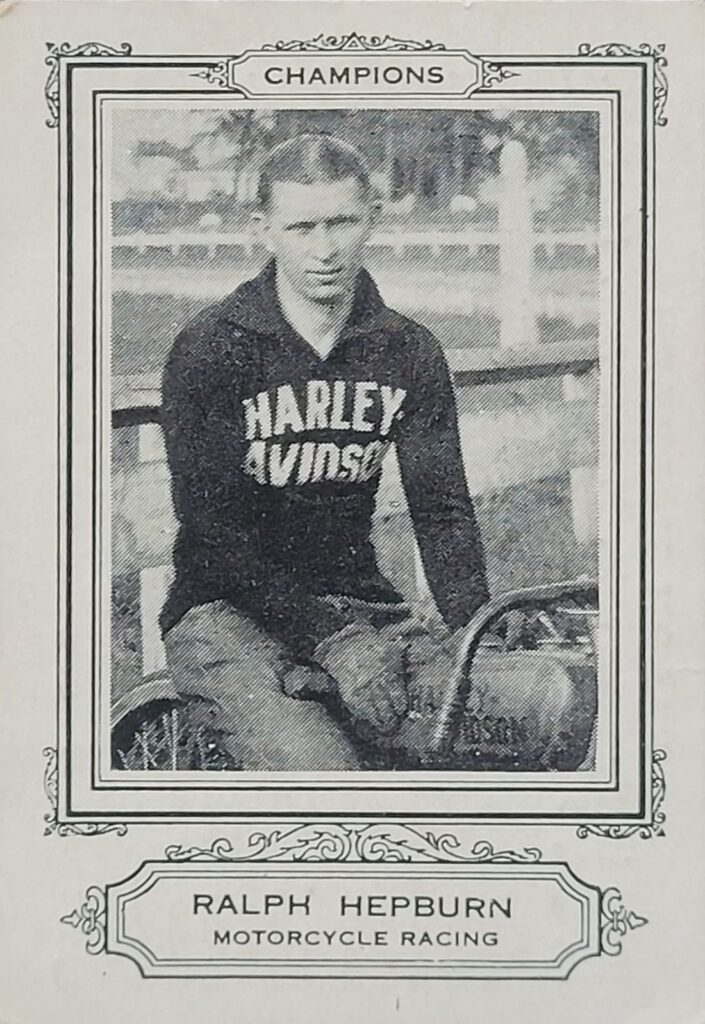
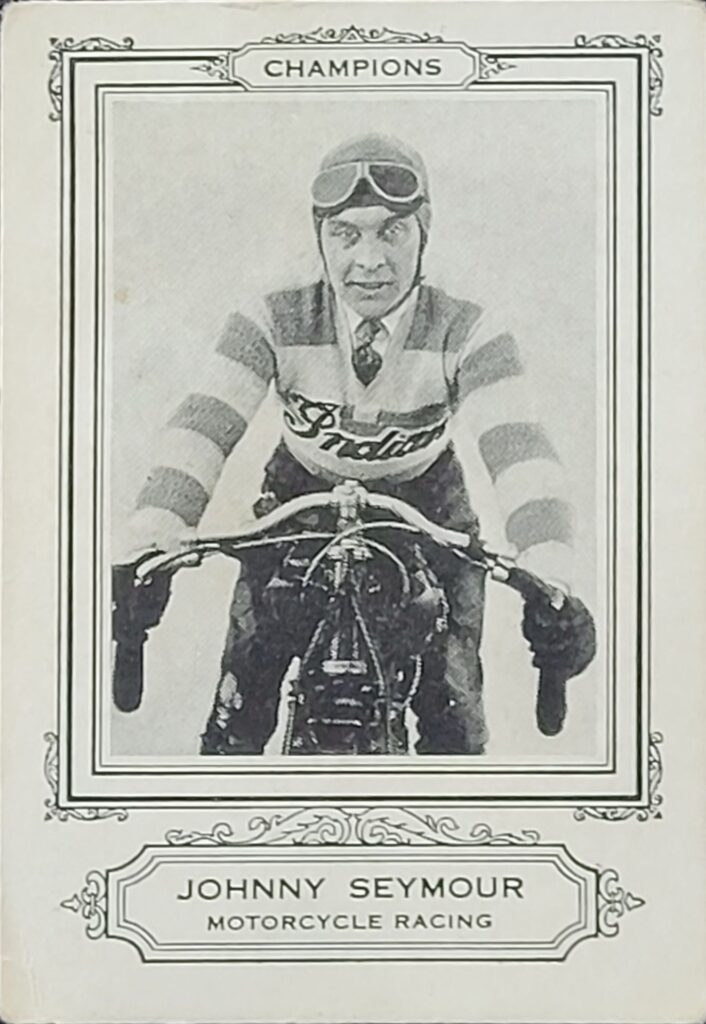
Rarity and Modern Collecting
The set stayed obscure until major high-grade finds in 1990 and 1996. PSA has graded about 1,200–1,300 examples, many EX-MT or better thanks to the high-grade finds. Ad and blank backs are tough; high-grade Ruth ad backs are near-mythical. Values span hundreds to tens of thousands, depending on subject, back type, and condition.
For auto racing fans, the 1926 Spalding Champions set offers more than just vintage cardstock—these cards capture the thrilling early days of American auto racing, from the Indianapolis 500 to board tracks and dirt ovals, providing a direct window into the Roaring Twenties motorsports scene. The elegant 1926 Spalding Champions remain a scarce and highly prized cornerstone, blending historical significance with timeless Art Deco design.
The front and back of the 1926 Spalding Champions auto racing cards can be viewed at the link below.
Leave a Reply