
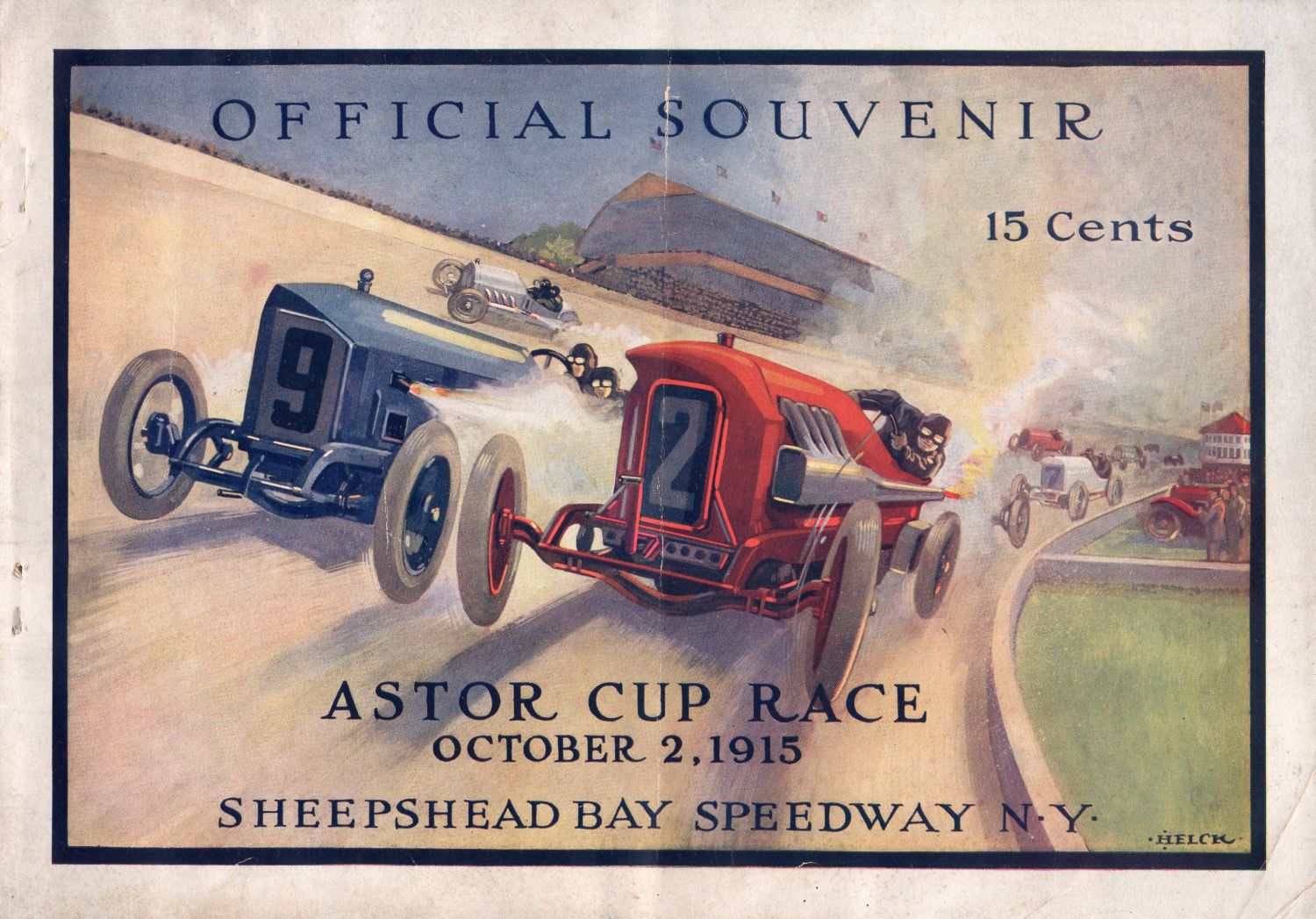
On an October afternoon in 1915, the roar of racing engines echoed across Brooklyn as automobiles surged past 100 miles per hour on a track built entirely of wood. What spectators ultimately witnessed was not just a race, but the unveiling of one of the most ambitious speedways ever attempted in American motorsport. The origins of the Sheepshead Bay Speedway stretched back decades earlier, when the site had been home to the celebrated Sheepshead Bay Race Track, a premier Thoroughbred venue. That era ended abruptly after New York outlawed gambling in 1910, leaving the property idle and financially stranded. By 1915, however, a powerful group of investors recognized its potential. Organized under the Sheepshead Bay Speedway Corporation, the ownership included Cleveland businessman Harry Harkness and Carl G. Fisher, the visionary co-founder of the Indianapolis Motor Speedway. Their aim was bold and deliberate: to bring world-class automobile racing to the nation’s largest city and to create a speedway capable of surpassing anything seen before.
Construction moved at a breathtaking pace. At a staggering cost of $3.5 million, the abandoned horse track was transformed into a two-mile wooden board speedway, requiring an estimated 3,200,000 feet of lumber. The engineering was revolutionary. The massive turns were 80 feet wide and banked at 17 degrees, designed to sustain extreme speeds far beyond those possible on dirt ovals. Easy rail access from Manhattan and expansive grandstands positioned Sheepshead Bay as a true metropolitan showplace, and promoters openly predicted it would rival — or even eclipse — Indianapolis. The track’s design delivered exactly what was promised: speed. Yet that same speed exposed the dangers of board track racing, a reality underscored when veteran driver, and two-time Vanderbilt Cup winner, Harry Grant was killed in a crash during preliminary running. It was a sobering reminder that innovation and risk were inseparable in this new era of racing.
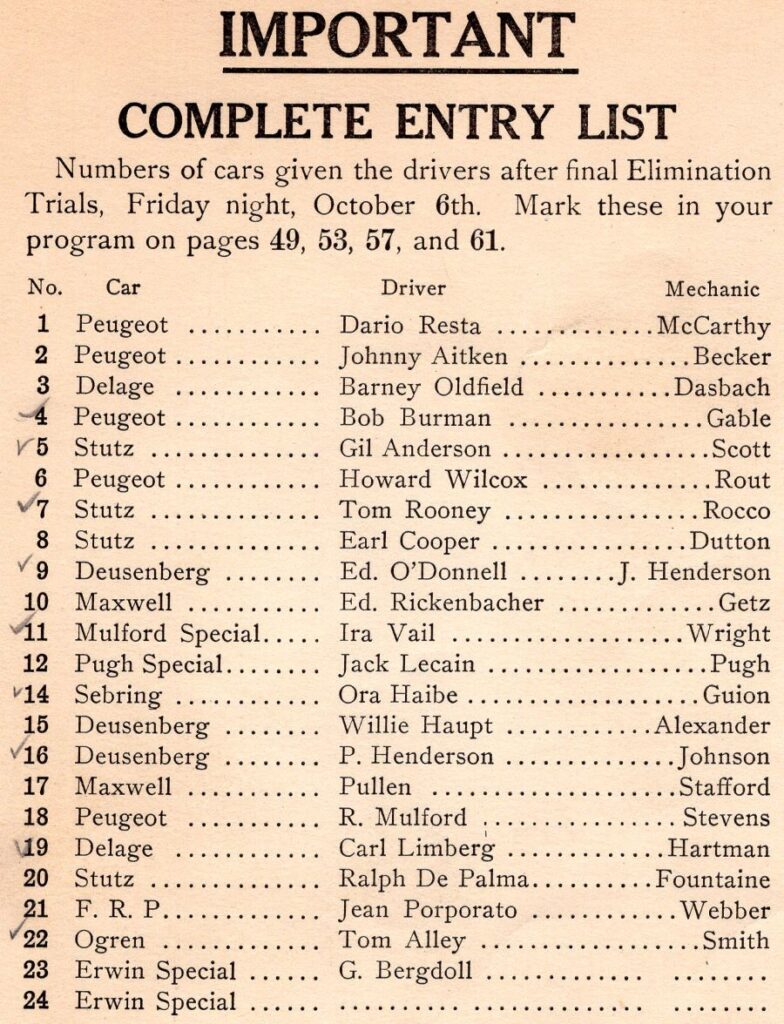
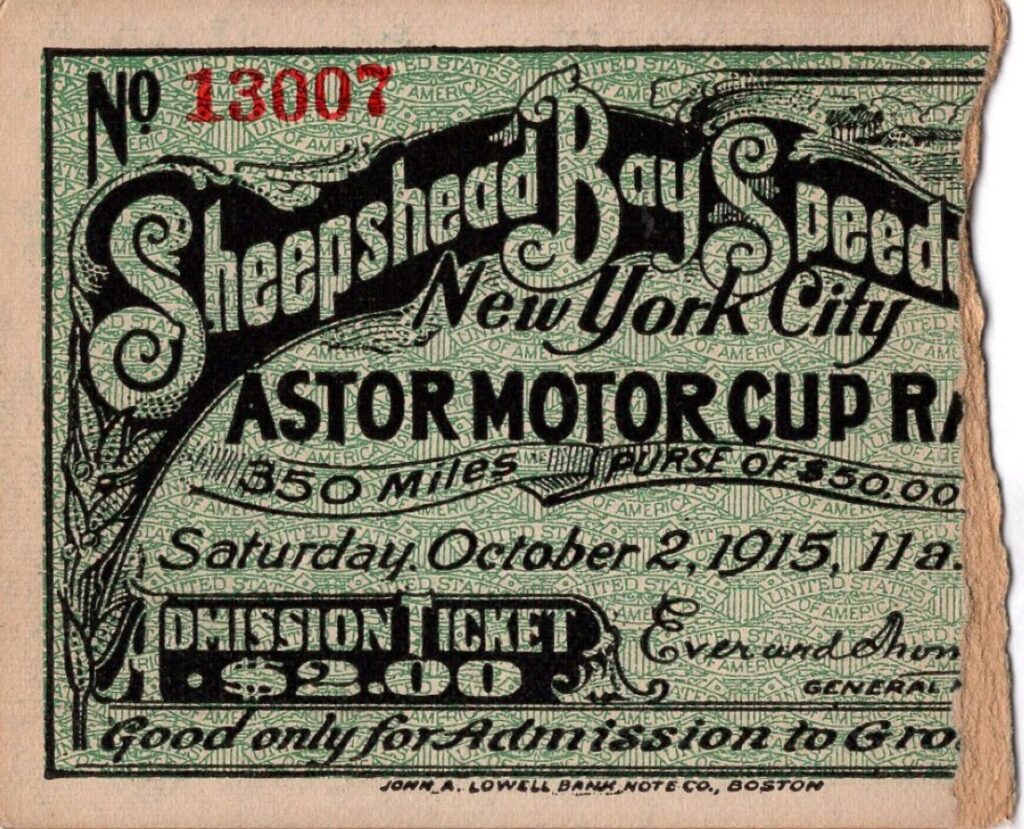
To christen the speedway, organizers selected the Astor Challenge Cup, donated by Vincent Astor, whose name lent both prestige and social stature to the event. The AAA-sanctioned Astor Cup, run over 350 miles (175 laps), was scheduled as the first race ever held on the newly built Sheepshead Bay Speedway, but inclement weather forced a postponement, delaying the highly anticipated debut by a week. When the race was finally run on October 9, 1915, the track delivered on its promise. During the race, Dario Resta recorded the fastest lap at 115.756 mph, a staggering figure that illustrated the breathtaking potential of the two-mile board oval under full race conditions. Yet sheer speed alone did not decide the outcome.
Victory went to Gil Andersen, driving a Stutz, who balanced pace with mechanical sympathy and endurance to win at an average speed of 102.59 mph. Tom Rooney finished second, just 57 seconds behind, with Eddie O’Donnell third. The event also produced disappointment, most notably for Barney Oldfield, whose car suffered a broken connecting rod, making him the first retirement and leaving him classified 20th. The 1915 Astor Cup proved both triumphant and cautionary — a dazzling demonstration of what modern engineering and daring drivers could achieve, and a stark illustration of the dangers that accompanied such speed. Although Sheepshead Bay Speedway would operate only briefly before closing in 1919, its legacy endures. The Astor Challenge Cup survived long after the wooden boards were torn down, eventually becoming the championship trophy of modern IndyCar racing, linking today’s champions directly to the men who first raced at unimaginable speeds on the Brooklyn boards in 1915.
Leave a Reply