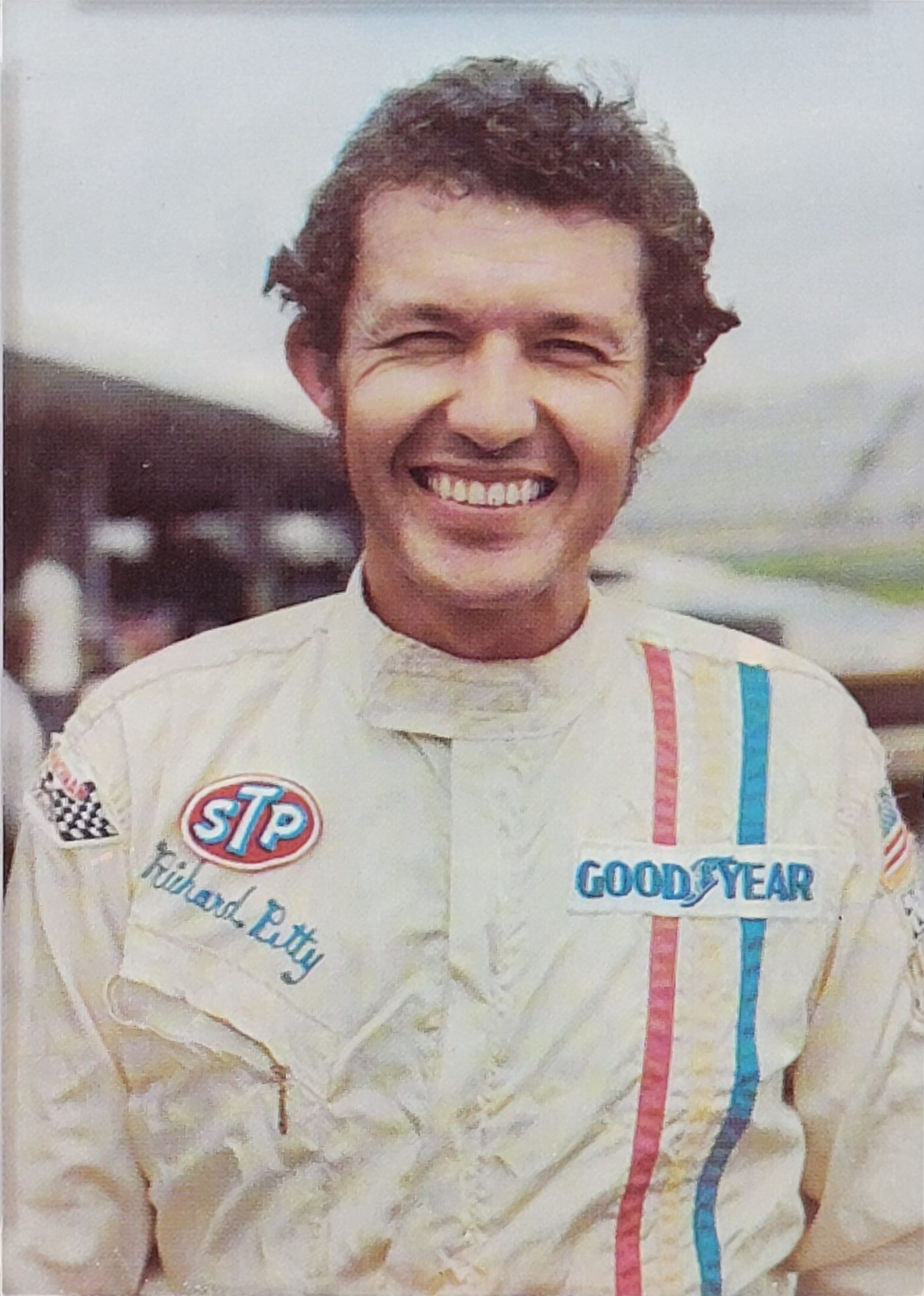
The 1972 STP NASCAR card set is widely recognized as the first standard 2½″ × 3½″ trading card issue devoted entirely to NASCAR drivers. Distributed as a promotional giveaway by STP during the 1972 season — most notably during Daytona Speedweeks — the set represents a true starting point for modern NASCAR card collecting and captures a pivotal moment in the sport’s commercial evolution.
Unlike earlier oversized postcards or regional premiums, the STP cards adopted the now‑familiar trading card dimensions. That choice allowed NASCAR drivers to fit seamlessly alongside mainstream baseball and football cards in collectors’ albums. For hobbyists, this release marks the moment stock car racing fully entered the traditional trading card marketplace.
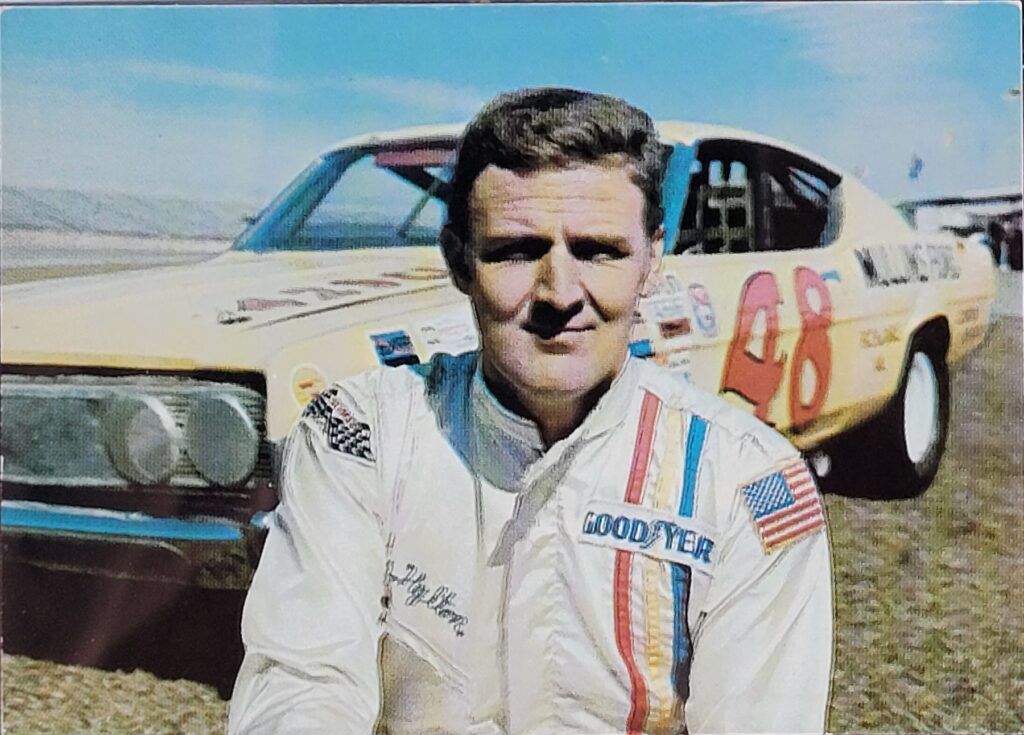
The cards were printed on relatively thin stock, typical of promotional issues rather than retail-packaged products. They were handed out as part of STP’s trackside marketing efforts — primarily during Speedweeks at Daytona International Speedway — and while Daytona appears to have been the main distribution point, limited numbers may also have been distributed at other races later in the season. Because these cards were given away rather than sold, many examples show handling wear, soft corners, or light surface flaws, and high-grade specimens remain difficult to assemble decades later.
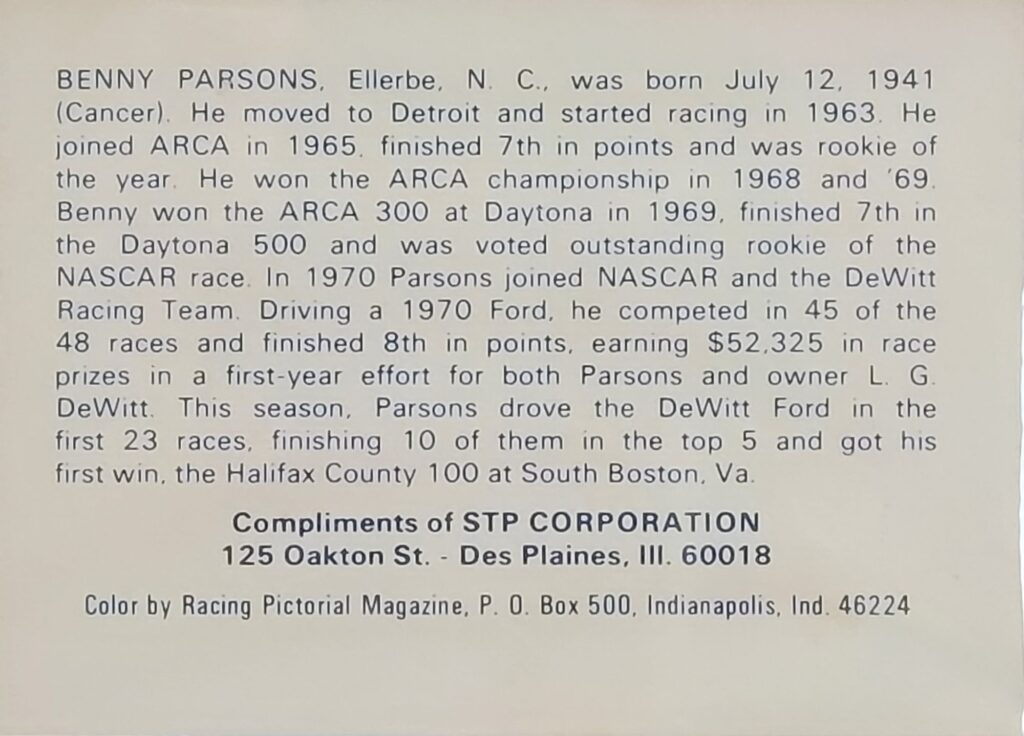
Visually, the design is clean and direct. Each front features a full-color, full-bleed photograph with no borders or numbering. The focus is entirely on the driver image — typically posed portraits in uniform or standing next to their cars. The photography reflects a professional polish thanks to Racing Pictorial Magazine, credited on the reverse with “Color by Racing Pictorial Magazine….” At the time, Racing Pictorial was widely respected for vivid, high-quality racing coverage, and that standard is evident throughout the set. The backs are printed in blue ink and include the driver’s name, hometown, birthdate, Zodiac sign, and a concise career biography summarizing accomplishments through the early portion of the 1971 season. The reverse also reads, “Compliments of STP Corporation – 125 Oakton St. – Des Plaines, Ill. 60018.” The cards are unnumbered, emphasizing their identity as a promotional issue rather than a structured retail set.
The complete run consists of 11 cards representing 10 drivers, with one variation. The checklist includes:
- Bobby Allison
- Buddy Baker
- Dick Brooks
- Charlie Glotzbach
- James Hylton
- Elmo Langley
- Fred Lorenzen (Portrait)
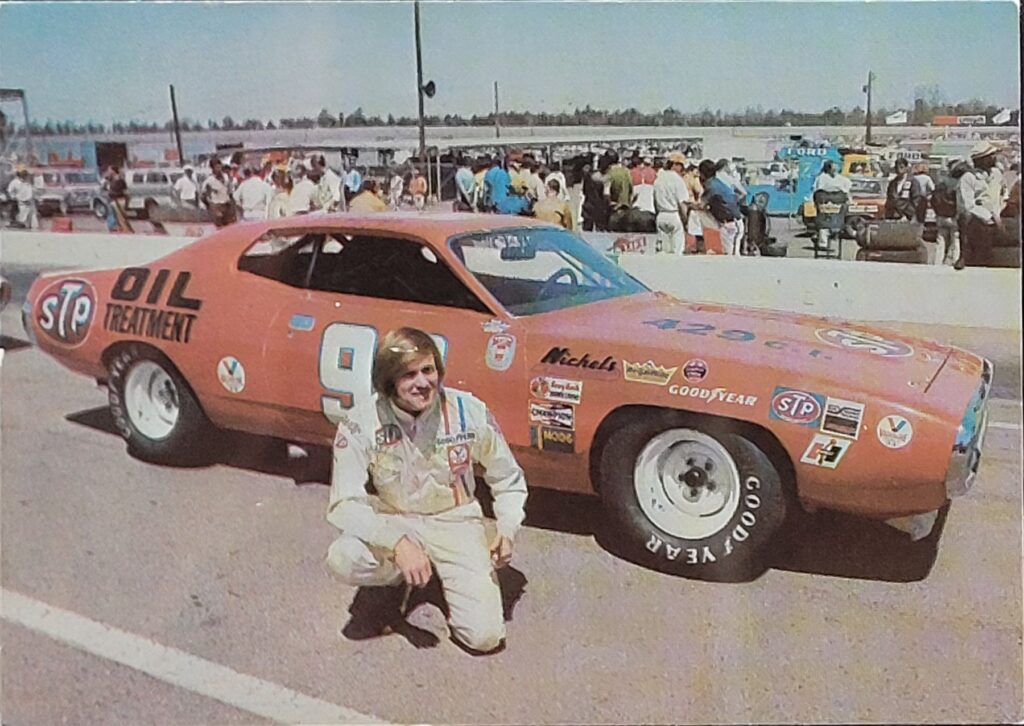
- Fred Lorenzen (With Car)
- Dave Marcis
- Benny Parsons
- Richard Petty
The driver selection reflects a deliberate marketing approach. Established stars such as Richard Petty and Bobby Allison provided headline appeal. Contenders like Buddy Baker and Benny Parsons represented emerging championship threats, while veterans such as James Hylton and Elmo Langley reflected the independent spirit still central to NASCAR at the time. Fred Lorenzen, one of the sport’s most recognizable figures of the 1960s, added national recognition and crossover popularity.
The Significance of Richard Petty and STP Sponsorship
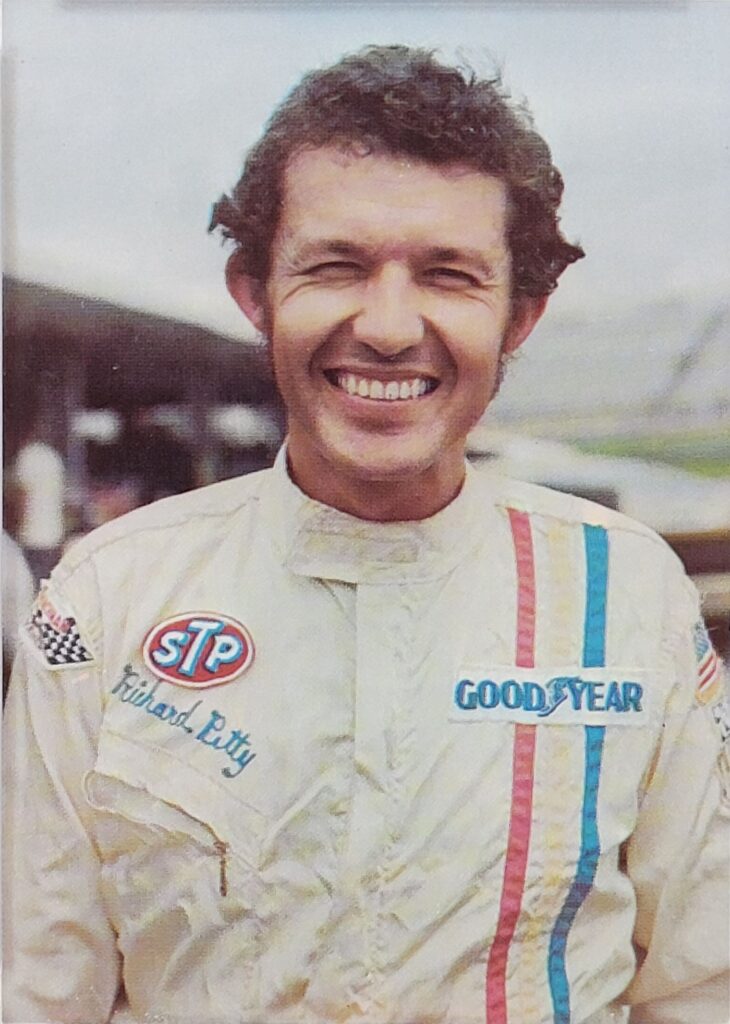
1972 was a landmark year for NASCAR’s corporate marketing. STP officially began sponsoring Richard Petty, creating a high-profile partnership that tied the driver, the team, and the brand to a national promotion of stock car racing. This sponsorship coincided with Winston’s title sponsorship and NASCAR’s modernization: the sanctioning body condensed the schedule, emphasized higher-profile events, and sought to attract more television coverage. Petty’s presence on the STP card, combined with the company’s active marketing effort, mirrored NASCAR’s evolution into a professionally branded, nationally recognized sport. For collectors, the Petty card not only serves as the centerpiece of the set but also symbolizes the commercial and cultural shift in NASCAR during the early 1970s.
Scarce Cards: Lorenzen and Allison
Two distinct Fred Lorenzen cards exist: a standard portrait and a second version showing him with his car. The “with car” variation is one of the rarest pieces in racing card collecting — PSA has graded only four examples. Its scarcity is often attributed to Lorenzen’s absence from the 1972 Daytona 500 and his limited racing schedule that year, which likely meant fewer cards were distributed at Speedweeks and other promotional appearances.
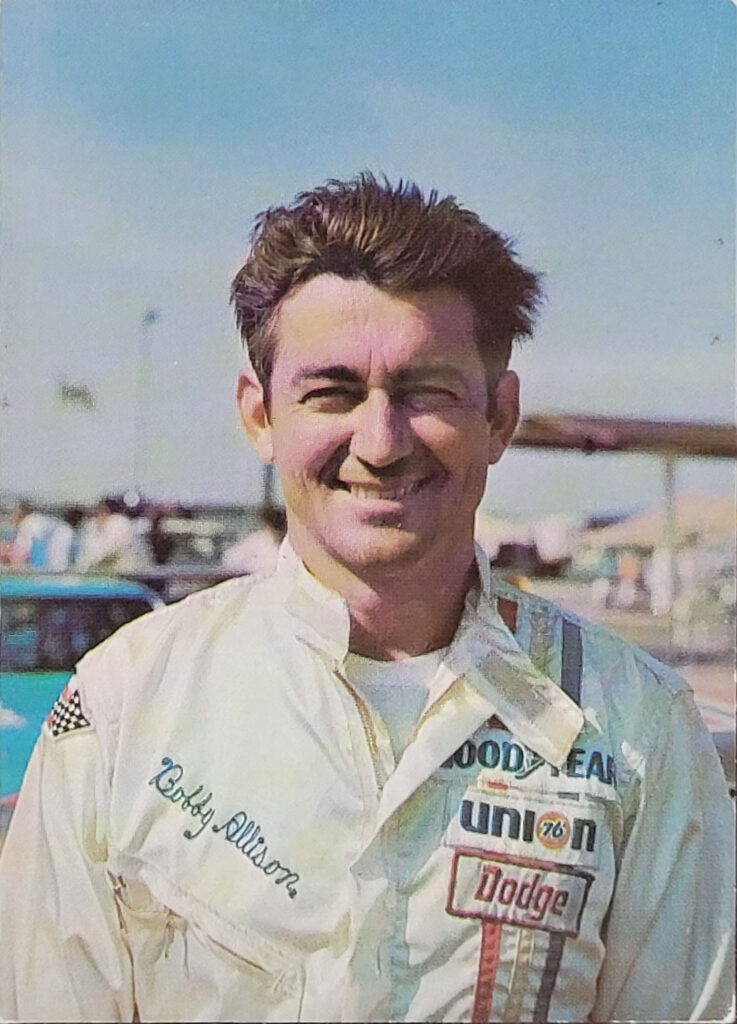
The Bobby Allison card is also exceptionally scarce in graded form, with only eight examples graded by PSA. Many other cards from the issue have similarly low populations, with none exceeding 23 PSA-graded examples, underscoring the set’s rarity and collectible appeal.
More than fifty years later, the 1972 STP NASCAR set remains historically significant. Its standard size, professional photography from Racing Pictorial, concise biographical backs, selective checklist, and identifiable scarce variations combine to capture a snapshot of NASCAR at the dawn of its modern era. For collectors of vintage motorsports memorabilia, it is not merely a promotional giveaway — it is a cornerstone of NASCAR card collecting and a tangible reflection of the sport’s emerging national profile, amplified by Petty’s new STP sponsorship and the sport’s evolving schedule of higher-profile, nationally promoted events.
Leave a Reply